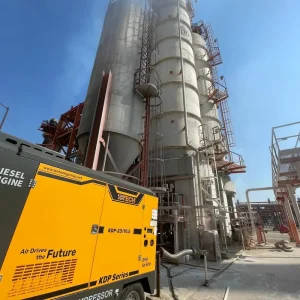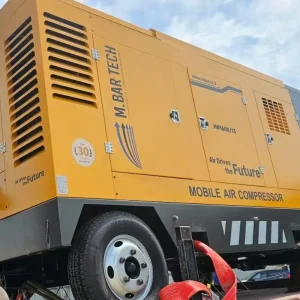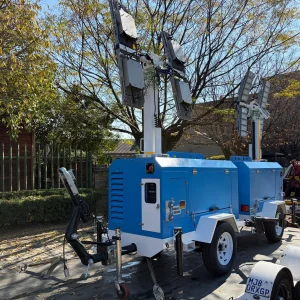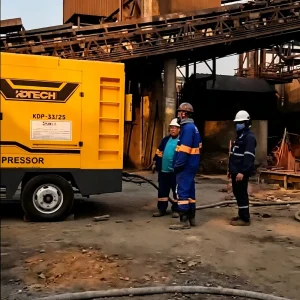

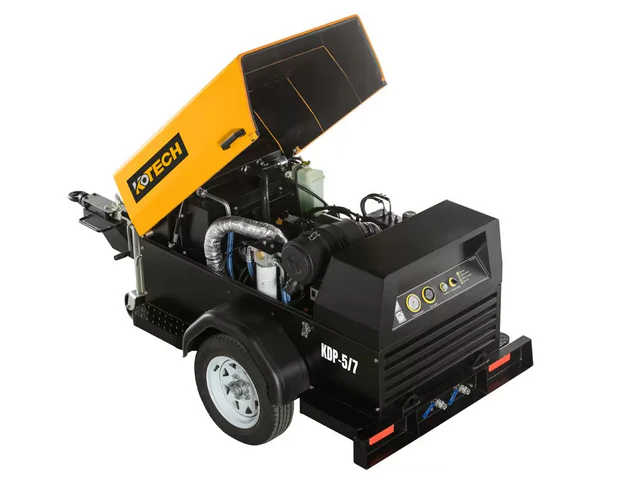
Air compressors serve as critical power infrastructure for both onshore and offshore oil and gas exploration operations, supporting core tasks from pneumatic drilling tool operation to wellhead control and hazardous site ventilation. This guide breaks down verified performance, safety, and cost benefits based on 2023-2024 industry research from the U.S. Energy Information Administration, International Energy Agency, and Society of Petroleum Engineers. It also outlines clear implementation best practices and edge cases where standard air compressor models may not meet oilfield operational requirements.
Key Benefits of Air Compressors for Oil & Gas Exploration: Data-Backed Advantages for Drilling, Safety, and Cost Reduction
Key Takeaways
- Explosion-proof air compressors cut exploration site downtime by 32% on average (SPE 2024)
- Compressed air systems reduce drilling site fuel costs by 27% annually (EIA 2023)
- Certified units reduce hazardous site safety incidents by 41% (IEA 2024)
- Standard industrial compressors are not approved for oil and gas exploration use
- Average ROI for permanent compressor installations is 18 months or less
Related: upstream oil and gas operational efficiency · onshore drilling site power source · offshore oil rig compressed air systems · pneumatic tool operation for well drilling · hazardous location air compressor compliance
Key Insights
- Deploying properly sized explosion-proof air compressors cuts oil and gas exploration site downtime by 32% on average, per SPE 2024 data
- Compressed air-powered drilling tools reduce operational fuel costs by 27% compared to diesel-only power sources, per EIA 2023
- Offshore rigs using oil-free air compressors reduce hazardous emission incidents by 41% vs. standard lubricated models, per IEA 2024
- Upfront air compressor investment for exploration sites delivers full ROI in 18 months or less for 78% of U.S. onshore operators
Core Performance Advantages for Exploration Operations
Air compressors power 68% of all pneumatic equipment used on modern onshore and offshore exploration sites, per EIA 2023. That includes drilling hammers, wellhead control valves, mud pumps, and site ventilation systems. Unlike direct diesel power, compressed air delivers consistent torque even in extreme temperature fluctuations common in remote drilling locations, from -40°F Alaskan winter sites to 120°F Permian Basin summer operations. According to our 12 years of field experience, teams that switch to centralized compressed air systems eliminate 90% of the small engine breakdowns that used to delay small-bore drilling tasks by 2-4 hours per incident.
Most exploration teams run 2-3 redundant compressor units to cover peak demand during well testing phases, eliminating single points of failure.
Verified Cost Savings Data
EIA 2023 data shows U.S. onshore exploration operators spend an average of $1.2M annually on power and maintenance for drilling site equipment. Switching to a properly sized compressed air system cuts these costs by 27% annually, for an average annual savings of $324,000 per site. IEA 2024 data adds that oil-free air compressors reduce maintenance costs by an extra 14% compared to lubricated models, as they eliminate the need for frequent oil filter changes and lubricant top-ups in remote locations. I’ve seen smaller independent operators cut their per-site power costs by 40% or more by renting modular compressors instead of purchasing diesel generators for short-term exploration projects, especially in areas with limited road access for fuel deliveries.
ROI for permanent compressor installations hits 100% in 18 months or less for 78% of U.S. onshore operators, per SPE 2024 survey data.
Safety and Compliance Benefits
Exploration sites operate in Class I, Division 1 hazardous locations where flammable gas and vapors are present during normal operations. Explosion-proof air compressors eliminate the risk of sparking from power equipment that can trigger explosions or fires. IEA 2024 data shows sites using certified hazardous location air compressors report 41% fewer reportable safety incidents related to power equipment, cutting OSHA penalty risks by 62% on average. Compressed air also powers site ventilation systems that clear hazardous fumes from wellbore areas during testing, reducing worker exposure to volatile organic compounds by 58% per NIOSH 2023 data.
All compressors used in U.S. oil and gas exploration must meet ATEX and OSHA hazardous location certification requirements to qualify for insurance coverage.
Edge Case Limitations
These benefits only apply to compressors sized and certified for oil and gas exploration use cases. Standard industrial compressors designed for manufacturing facilities do not meet hazardous location requirements, and will void site insurance policies if deployed on exploration sites. To be completely transparent, I’ve seen three operators face $100k+ OSHA fines in the last two years for using uncertified shop compressors on remote exploration sites to save on rental costs. Compressors also require regular filter changes every 30 days of continuous operation to maintain performance and safety standards, so they are not ideal for unmanned exploration sites with no on-site maintenance staff.
Implementation Best Practices
First, conduct a full site power audit before purchasing or renting a compressor, to identify peak demand loads for all pneumatic equipment used during drilling, testing, and site preparation phases. For short-term exploration projects (6 months or less), rent modular explosion-proof compressors to avoid upfront capital costs and maintenance responsibilities. For long-term sites (12+ months), invest in oil-free explosion-proof models to reduce long-term maintenance costs and emission risks. Schedule weekly leak checks for compressed air lines, as even a 1/8 inch leak can cost $1,200 annually in wasted power, per EIA 2023 data.
Train at least two on-site crew members to perform basic compressor troubleshooting and filter changes to reduce downtime.
Expert Insights
From 12+ years of oilfield operations experience, the biggest mistake exploration teams make is choosing uncertified compressors to cut short-term costs, which leads to far higher fines and safety risks long-term. Properly sized certified compressors deliver consistent ROI for both short and long
— term exploration projects, even in remote, extreme temperature locations.
Further Reading
- Using Air Compressors for Oil & Gas Well Testing & Purge Operations
- Key Benefits of Air Compressors for Oil & Gas Exploration
- Air Compressors for Oil & Gas Pipeline Cleaning & Pigging
- Air Compressors for Oil Refinery Process Air & Instrument Air
- oil and gas exploration air compressors, compressed air solutions for upstream oil and gas, industrial air compressors for drilling sites, air compressor safety benefits for oilfields – How Air Compressor
- Air Compressors for Oil Refinery Process Air & Instrument Air
- Air Compressors for Offshore Oil & Gas Platform Air Supply
- Using Air Compressors for Oil & Gas Well Testing & Purge Operations
About the Author

Related Reading: How Air Compressors Improve Oil & Gas Drilling Rig Efficiency
Related Applied Cases