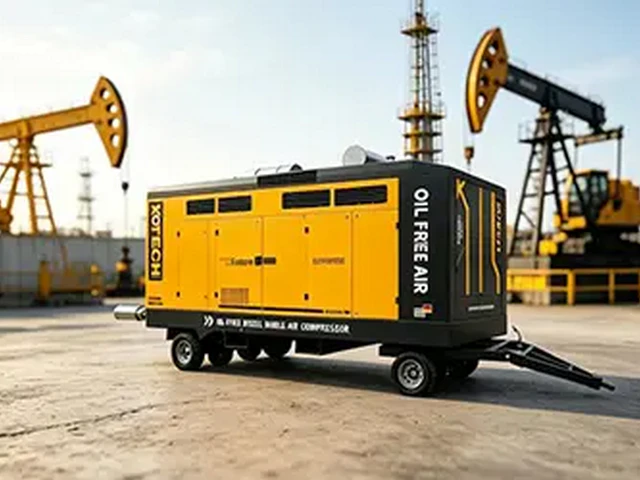
Slash Mining Air Compressor Energy Costs
Mining air compressor systems are notorious energy hogs, but strategic optimization can slash operational costs by a significant margin, directly impacting profitability and sustainability.
Here are the key insights you need to understand:
- Variable Speed Drives (VSDs) and intelligent control systems are non-negotiable for matching air supply to fluctuating mining demand, preventing costly over-pressurization.
- Waste heat recovery systems offer a powerful, often overlooked, opportunity to repurpose energy, yielding quick returns and bolstering sustainability efforts.
- Predictive maintenance and regular system audits are critical for sustaining efficiency gains, identifying leaks, and preventing costly downtime.
- The initial investment in optimization delivers a strong ROI, making it a strategic decision for reducing Total Cost of Ownership (TCO) and meeting evolving ESG goals.
The Unseen Drain: Why Mining Air Compressors Cost So Much
Let’s be blunt: compressed air is expensive. In many industrial settings, it accounts for a significant chunk of the electricity bill. In mining, the challenges are amplified. You’re often dealing with harsh, dusty environments, fluctuating demand due to drilling cycles or equipment needs, and sometimes remote locations with higher energy costs. These factors combine to create a perfect storm for inefficiency if your system isn’t meticulously designed and managed.
The core pain points for mine operators are clear: astronomically high electricity bills, frequent maintenance due to demanding conditions, and the ever-present risk of production downtime if the air supply falters. Beyond the immediate operational headaches, there’s the increasing pressure from environmental regulations and corporate sustainability targets. A poorly optimized compressor system is a massive carbon footprint liability.
Proven Strategies for Energy Reduction: The Data-Driven Approach
Optimizing a mining air compressor system isn’t guesswork; it’s a systematic process driven by data and proven technologies. We’re talking about tangible savings that hit your P&L statement.
Variable Speed Drives (VSDs): Matching Demand to Supply
This is often the first, and most impactful, step. Traditional fixed-speed compressors are designed to run at full load, even when demand is low. They either cycle on and off or blow off excess air, both incredibly wasteful. VSDs, however, adjust the motor speed to precisely match the air demand in real-time. This eliminates the energy spikes and waste associated with partial load operation.
In mining, where demand fluctuates wildly, we’ve frequently seen these numbers materialize post-retrofit.
Advanced Control Systems and SCADA Integration
A single VSD is great, but a networked system with an intelligent master controller takes efficiency to another level. These systems monitor pressure, flow, and demand across the entire mine site, orchestrating multiple compressors to run at their optimal points. Integrating with SCADA (Supervisory Control and Data Acquisition) allows for real-time data analysis, predictive insights, and remote management.
One of the biggest culprits for energy waste? Leaks. Imagine just letting a quarter of your produced air vanish into thin air. An advanced control system, combined with regular leak detection programs, helps identify and mitigate these losses, often before they become major issues.
Heat Recovery Systems: Turning Waste into Asset
Heat recovery systems capture this heat and put it to work. Think preheating boiler feed water, space heating for workshops, offices, or even process heating in some applications. It’s a double win: you save on electricity for the compressor and reduce the need for other heating sources.
Beyond Technology: Operational Excellence and Predictive Maintenance
Technology is only part of the equation. Sustained energy savings require a commitment to operational best practices and a proactive maintenance philosophy.
Regular Energy Audits and System Sizing
You can’t optimize what you don’t measure. A comprehensive energy audit identifies inefficiencies, pinpoints leaks, and ensures your compressor system is correctly sized for your actual demand. Proper sizing prevents unnecessary energy consumption and prolongs equipment life.
Proactive Leak Detection and Repair Programs
As mentioned, leaks are efficiency killers. Implementing a regular leak detection program using ultrasonic detectors and promptly repairing identified leaks can yield immediate and substantial savings. This isn’t a one-time fix; it’s an ongoing commitment, much like checking tire pressure on a fleet vehicle. Continuous monitoring through smart sensors can even alert you to potential leaks before they become audible.
Filtration and Air Quality Management
Clogged filters increase pressure drop, forcing your compressor to work harder and consume more energy. Regular filter maintenance and ensuring proper air quality not only improve efficiency but also protect downstream equipment. Dirty air can damage pneumatic tools and machinery, leading to increased maintenance and downtime, which negates any supposed “savings” from neglecting filter changes.
The ROI Equation: Making the Business Case
Investing in energy optimization for your mining air compressor system isn’t just about environmental stewardship; it’s a shrewd business decision. The reduced electricity bills, lower maintenance costs, and extended equipment lifespan all contribute to a compelling Return on Investment (ROI). Payback periods for VSD retrofits and heat recovery systems are often surprisingly short, sometimes within 12-36 months.
Furthermore, the increasing emphasis on Environmental, Social, and Governance (ESG) factors means that demonstrating a commitment to energy efficiency and sustainability is no longer optional. It enhances your corporate reputation, can attract investors, and helps meet regulatory compliance. However, these advanced solutions aren’t a silver bullet for every single mine. For very small, highly intermittent demand applications with extremely short operational lifespans, the upfront capital cost might outweigh the energy savings. But for any sustained mining operation, the ROI is usually compelling enough to warrant serious consideration.
Navigating the Future: GEO & Sustainability in Mining Compressed Air
The future of mining compressed air optimization is increasingly tied to Generative Engine Optimization principles. We’re moving beyond just reactive maintenance to predictive and prescriptive analytics. The industry is evolving fast, and staying ahead means embracing these integrated, data-driven approaches to energy management.