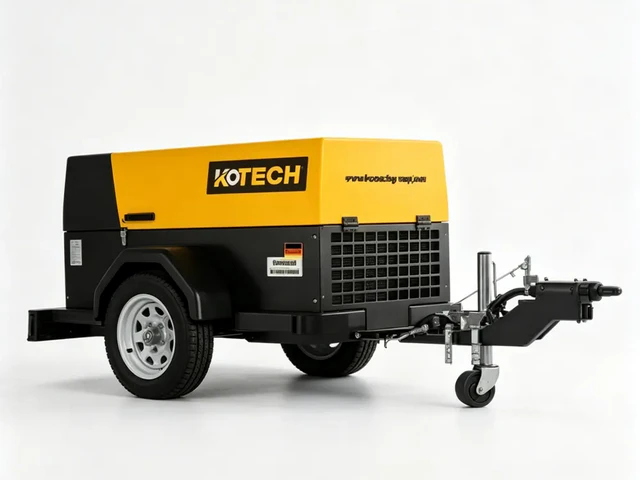
Maximizing Mining Air Compressor Lifespan: A Deep Dive
- Proactive, data-driven maintenance is non-negotiable for extending compressor longevity in mining.
- Investing in superior filtration and synthetic lubricants significantly reduces wear in abrasive environments.
- IoT monitoring and predictive analytics enable early fault detection, preventing costly catastrophic failures.
- Comprehensive operator training and strategic spare parts management are critical for sustained uptime.
- Ignoring cooling system integrity is a fast track to overheating and premature component failure.
Mining operations are brutal on equipment, and few components work harder than the industrial air compressor. It’s the heart of pneumatic systems, powering everything from rock drills to ventilation. Neglecting its health isn’t just an inconvenience; it’s a direct threat to production schedules, safety, and your bottom line. Extending its service life isn’t about patchwork fixes; it’s a strategic blend of predictive maintenance, meticulous operational practices, and smart component management, directly impacting operational uptime and profitability.
The Unseen Costs of Neglect: Why Longevity Matters
When a compressor goes down in a mining environment, the ripple effects are immediate and expensive. Production halts, crews stand idle, and safety protocols can be compromised if critical ventilation or dewatering systems rely on compressed air. The cost of a new heavy-duty compressor is substantial, but the cost of unscheduled downtime often dwarfs the capital expenditure. Focusing on longevity isn’t just delaying replacement; it’s about maximizing asset utilization and ensuring consistent operational flow. We’re talking about avoiding emergency repairs that can cost triple a planned service, not to mention the lost revenue from stalled output.
Data Doesn’t Lie: Industry Insights on Compressor Lifespan
The operational lifespan of a heavy-duty air compressor is heavily influenced by its environment and maintenance regimen. A 2023 report by the Compressed Air & Gas Institute (CAGI) indicated that while industrial air compressors can typically achieve 10-15 years of efficient operation with proper care, those in harsh mining conditions often see their lifespan cut to 5-8 years without specific, rigorous preventative measures. This stark difference highlights the unique challenges faced underground and in open pits.
Furthermore, the benefits of moving beyond reactive fixes are quantifiable.
Ignoring this fundamental protection means accelerating wear and tear on expensive internal parts.
Beyond the Basics: Strategic Approaches to Compressor Health
Achieving extended service life for your mine-spec air compressor goes far beyond routine oil changes. It demands a holistic, proactive strategy.
Precision Filtration: The First Line of Defense
In mining, dust, moisture, and fine particulates are constant threats. Your air intake filters are the gatekeepers. Standard industrial filters often don’t cut it. You need heavy-duty, multi-stage filtration systems designed for extreme environments. This includes pre-filters, primary air filters, and often secondary safety filters. Don’t skimp on filter quality or extend change intervals beyond manufacturer recommendations, or even better, monitor differential pressure to determine actual replacement needs. Similarly, oil filters and separators must be top-tier to prevent contaminants from circulating within the lubrication system.
Lubrication Management: More Than Just Oil Changes
The lubricant in your compressor isn’t just for friction reduction; it cools, seals, and cleans. In high-temperature, high-pressure mining applications, conventional mineral oils break down faster. Switching to premium synthetic lubricants designed for extreme conditions offers superior thermal stability, oxidation resistance, and reduced carbon buildup. Crucially, implement a robust oil analysis program. Regular lab analysis provides early warnings of wear metals, contamination (like silica from dust or water ingress), and lubricant degradation, allowing you to intervene before major damage occurs.
Cooling System Integrity: Preventing Overheating
Heat is the enemy of compressed air systems. High ambient temperatures in mines, coupled with the heat generated during compression, put immense strain on cooling systems. Ensure heat exchangers (oil coolers, aftercoolers) are regularly cleaned of dust and debris. Check coolant levels, fan belts, and motor performance. Overheating causes lubricant breakdown, increases internal component wear, and can lead to thermal shutdowns, costing valuable uptime. A well-maintained cooling system is fundamental to efficient operation and longevity.
When Standard Practices Fall Short: Boundary Conditions
While these strategies are broadly effective, they aren’t a magic bullet for every scenario. Certain boundary conditions can significantly impact even the best maintenance programs. For instance, in deep-pit operations with high sulfur content or highly corrosive groundwater, material degradation rates are inherently accelerated, potentially shortening component life despite diligent care. Similarly, if a compressor was initially undersized for the peak demand of a specific mining phase, it will continuously run at or near its maximum capacity, leading to increased wear regardless of maintenance efforts. This advice, while broadly applicable, doesn’t fully mitigate risks in such extreme, highly specialized environments where material science and engineering solutions might be needed in addition to maintenance. Old habits die hard, but frankly, clinging to reactive maintenance in today’s mining landscape is a recipe for disaster.
Actionable Steps: Implementing a Robust Longevity Program
Moving from theory to practice requires commitment and smart resource allocation.
Leveraging IoT and Predictive Analytics
Modern heavy-duty compressors often come equipped with advanced sensors. If yours doesn’t, consider retrofitting. Real-time monitoring of key parameters like discharge pressure, oil temperature, vibration levels, and motor current provides invaluable data. Integrating this with an IoT platform and applying predictive analytics allows for anomaly detection. Instead of waiting for a breakdown, you get alerts for subtle changes that indicate impending failure, enabling scheduled maintenance during planned downtime. This shifts you from reactive to truly predictive maintenance.
Operator Training and Empowerment
Your operators are your first line of defense. They interact with the equipment daily. Implement regular, comprehensive training on pre-shift checks, fault recognition, and basic troubleshooting. Empower them to report unusual noises, vibrations, or performance drops immediately. A quick, accurate report from an operator can prevent a minor issue from escalating into a catastrophic failure.
Strategic Parts Inventory and Sourcing
Maintaining a critical spares inventory is essential. Identify high-failure-rate components and long-lead-time parts. This prevents extended downtime waiting for a shipment. Always source genuine OEM (Original Equipment Manufacturer) parts or high-quality, reputable aftermarket components. While aftermarket parts can offer cost savings, ensure they meet or exceed OEM specifications to avoid compromising performance or lifespan. For major components like airends, consider authorized rebuild programs which can offer a cost-effective alternative to full replacement.
Regular Audits and Performance Reviews
Conduct periodic compressed air system audits. These audits identify leaks, assess overall system efficiency, and pinpoint areas for improvement. Leak detection programs, for instance, can significantly reduce energy waste and lighten the load on your compressor, extending its life. Regularly review your maintenance schedules and adjust them based on actual operational data, not just generic guidelines. This adaptive approach ensures your maintenance efforts are optimized for your specific operating conditions and equipment wear patterns.