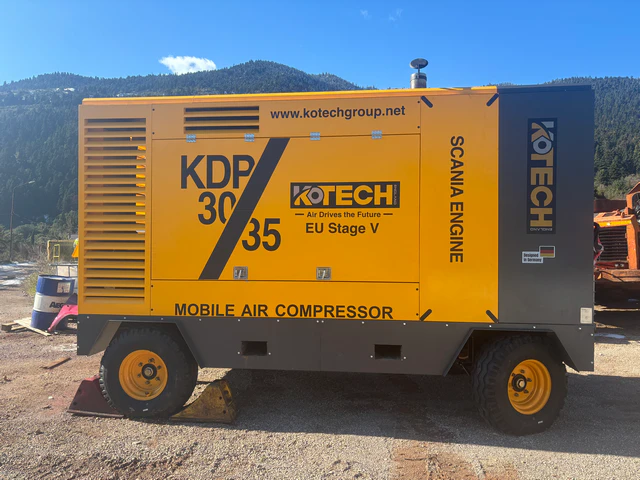
Optimizing Mine Equipment Repair with Portable Diesel Air Compressors
In the high-stakes world of mining, equipment uptime isn’t just a metric; it’s the bedrock of profitability and safety. Portable diesel air compressors are not merely pieces of machinery; they are the mobile powerhouses enabling swift, effective on-site repair of heavy equipment, directly combating the crippling costs of downtime. Frankly, anyone who has worked in remote mining operations knows that reliable compressed air at the point of need can make or break a maintenance schedule.
Here are the key insights into portable diesel air compressor applications for mine equipment repair:
- Unmatched Mobility for Remote Repairs: Portable diesel units deliver critical compressed air directly to the breakdown site, eliminating the need to move massive machinery or rely on fixed infrastructure.
- Versatile Power for Diverse Tasks: They power an extensive range of pneumatic tools, from impact wrenches for track repair to grinding tools for structural fixes, essential for comprehensive heavy equipment maintenance.
- Significant Downtime Reduction: By enabling rapid on-site troubleshooting and repair, these compressors drastically cut equipment downtime, which is a major cost driver in mining.
- Robust Performance in Harsh Environments: Engineered for durability, diesel compressors perform reliably in the extreme temperatures, dust, and rugged terrain characteristic of mining operations.
- Cost-Efficiency & Operational Continuity: Investing in the right portable compressor translates directly into lower transport costs, faster repairs, and sustained productivity, offering a clear return on investment.
The Critical Role of Portable Diesel Air Compressors in Mine Repair
Portable diesel air compressors are fundamental to maintaining operational continuity in both surface and underground mining. Without these robust units, many routine and emergency repairs would necessitate costly, time-consuming transport of heavy machinery back to a central workshop, leading to significant production losses.
Think about a haul truck with a blown tire deep in a pit, or a broken track on an excavator miles from the main shop. These aren’t minor inconveniences; they’re major bottlenecks. A portable diesel air compressor can be deployed rapidly to these locations, providing the necessary power for specialized pneumatic tools, enabling quick fixes, and getting the equipment back into service. It’s a direct response to the inherent challenges of scale and remoteness in mining.
Market Dynamics & Operational Imperatives
The global mining equipment market continues to expand, driven by increasing demand for minerals and metals. This growth directly translates into a greater need for efficient maintenance solutions.
Maintenance and repair costs represent a substantial portion of a mine’s operational expenditure. Minimizing these costs and the associated downtime is a top priority for mine operators. Portable compressed air systems play a direct role in this cost reduction strategy by facilitating proactive and reactive maintenance efficiently. This isn’t just about fixing things; it’s about optimizing the entire asset management lifecycle.
Driving Factors for Adoption
- Remote Site Accessibility: Many mining operations are in isolated areas with limited infrastructure, making portable solutions essential.
- Emergency Response: Rapid deployment for unexpected breakdowns minimizes costly production halts.
- Versatility of Tools: Powering a wide range of pneumatic tools for diverse repair tasks, from grinding to tightening.
- Reduced Logistics: Eliminating the need to transport heavy, often inoperable, equipment to a fixed service bay.
Key Benefits Driving Adoption in Remote Mining Sites
The benefits of integrating portable diesel air compressors into a mine’s repair strategy are multifaceted, touching upon efficiency, safety, and financial performance. These units are specifically designed to withstand harsh industrial environments, ensuring reliability when it matters most.
Enhanced Mobility and Accessibility
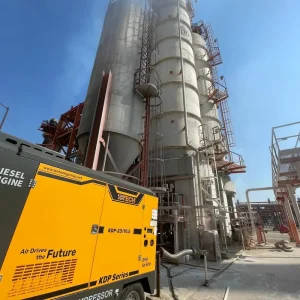
The primary advantage is mobility. These compressors can be towed by utility vehicles or mounted on trucks, allowing them to reach any point on a vast mine site, whether it’s an open pit, a sprawling tailings dam, or an underground tunnel network. This capability is critical for servicing equipment like excavators, bulldozers, haul trucks, and drills that frequently break down far from central workshops. The ease of transport means that technicians can bring the necessary power directly to the problem, rather than the other way around.
Powering Essential Pneumatic Tools
Portable diesel air compressors provide the consistent, high-pressure airflow required to operate a wide array of pneumatic tools vital for heavy machinery repair. This includes:
- Impact Wrenches: For quickly loosening and tightening large bolts on tracks, engines, and structural components.
- Grinders and Cut-off Tools: Essential for preparing surfaces for welding, removing worn parts, or fabricating new ones.
- Chipping Hammers: Used for breaking concrete, removing stubborn material, or scaling.
- Air Drills: For precision drilling in metal or rock during structural repairs.
- Tire Inflation Guns: Crucial for the massive tires on haul trucks and other heavy vehicles, where standard shop compressors are insufficient.
Minimizing Downtime and Boosting Productivity
Every hour a piece of critical mining equipment is out of commission translates to significant financial losses. Portable compressors enable field technicians to perform repairs much faster, dramatically reducing mean time to repair (MTTR). This direct impact on uptime is a major commercial advantage.
Furthermore, the ability to perform preventative maintenance or minor repairs on-site prevents small issues from escalating into major breakdowns, further enhancing overall equipment effectiveness (OEE). This proactive approach, supported by readily available compressed air, is a cornerstone of modern mining maintenance strategies.
Challenges and Situations Where Alternatives Outperform
While portable diesel air compressors are incredibly versatile, they aren’t a one-size-fits-all solution. There are specific scenarios where their use might be suboptimal or where alternative technologies present a better fit.
Environmental and Noise Concerns
Diesel engines, by their nature, produce exhaust emissions and can be noisy. In highly sensitive environmental zones or in enclosed underground spaces with poor ventilation, the emissions from a diesel compressor can be a concern. While modern diesel engines are significantly cleaner, they still require proper ventilation. For such environments, electric portable compressors, powered by battery packs or a local grid connection (if available), might be preferred due to their zero emissions at the point of use and quieter operation. However, the trade-off is often reduced mobility or reliance on charging infrastructure.
Fuel Logistics and Maintenance Requirements
Diesel compressors require a steady supply of fuel, which adds a logistical layer, especially in very remote locations. They also demand regular maintenance, including oil changes, filter replacements, and checks of the fuel system, air intake, and exhaust. If a mine’s operational setup struggles with consistent fuel delivery or lacks skilled technicians for diesel engine maintenance, the total cost of ownership could increase. In contrast, fully electric battery-powered compressors, though less common for very high-demand applications, simplify fuel logistics and often have fewer moving parts requiring maintenance.
Applications Requiring Extremely High Air Quality
For certain specialized applications, like instrument air or breathing air, the air quality requirements might exceed what a standard portable diesel compressor (even with filtration) can reliably provide without additional, complex purification systems. In these niche cases, dedicated, often fixed, breathing air compressors or specialized oil-free portable units might be necessary. It’s a boundary condition where the “good enough” for tools isn’t “good enough” for life support or precision instruments.
Best Practices for Deployment & Maintenance
Maximizing the value of portable diesel air compressors in mine equipment repair involves more than just purchasing the right unit; it requires strategic deployment and diligent maintenance. Staying abreast of best practices is crucial for leveraging this growth.
Selecting the Right Compressor
Choosing the correct compressor depends on the specific repair tasks, the tools used, and the mine’s environmental conditions. Key considerations include:
- CFM (Cubic Feet per Minute) Output: Ensure the compressor can meet the combined CFM requirements of the most demanding tools.
- PSI (Pounds per Square Inch) Rating: Match the pressure requirements of your pneumatic tools.
- Engine Power & Fuel Efficiency: A balance between power for performance and fuel efficiency for operational cost savings.
- Durability & Enclosure: Look for rugged construction, weather-resistant enclosures, and features designed for dusty, harsh environments.
- Serviceability: Easy access for routine maintenance reduces service time.
Strategic Deployment
Deployment isn’t just about driving it to the site. Proper placement ensures safety and efficiency. Position the compressor on stable, level ground, away from heavy traffic areas, and with adequate ventilation. Consider noise levels for nearby personnel and ensure exhaust fumes dissipate safely. For underground operations, ventilation systems must be robust enough to handle the emissions. Always ensure a clear path for refueling and maintenance.
Proactive Maintenance Regimen
Regular preventative maintenance is paramount for diesel compressors. This includes:
- Daily Checks: Fluid levels (oil, coolant), air filter condition, tire pressure, and general visual inspection for leaks or damage.
- Scheduled Servicing: Adhere strictly to manufacturer recommendations for oil changes, filter replacements (air, fuel, oil separator), and belt tension checks.
- Air End Maintenance: Regular monitoring of the air end for abnormal noises or vibrations, and ensuring the separator element is replaced as specified.
- Fuel Quality: Use clean, high-quality diesel fuel to prevent injector issues and maintain engine efficiency.
Future Trends in Mine Equipment Repair
The landscape of mine equipment repair is continuously evolving, driven by technological advancements and environmental pressures. While portable diesel air compressors will remain a staple, their design and integration will change.
Hybrid and Electric Solutions
Expect to see more hybrid diesel-electric portable compressors, offering the flexibility of diesel with the option for quieter, emission-free electric operation when available. Fully electric battery-powered portable compressors with increased run times and faster charging capabilities are also on the horizon, particularly for smaller tools and specific underground applications where emissions are a major concern.
Telematics and Predictive Maintenance
Integration of telematics and IoT (Internet of Things) into portable compressors will become more common. This allows for remote monitoring of operational parameters like fuel consumption, engine hours, pressure output, and fault codes. Predictive maintenance insights derived from this data can help schedule servicing proactively, preventing unexpected breakdowns and optimizing compressor uptime, mirroring trends seen in heavy mining equipment itself.
Enhanced Automation and Safety Features
Future compressors will likely feature more advanced automation for startup, shutdown, and pressure regulation. Safety features, such as automatic shutdown in case of critical faults or proximity sensors, will also become standard, further protecting both personnel and equipment in hazardous mining environments. This evolution aligns perfectly with the mining industry’s overarching goal of “zero harm.”