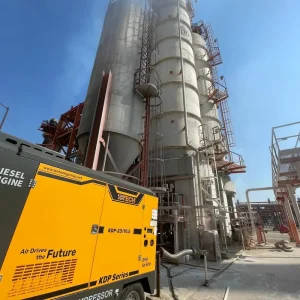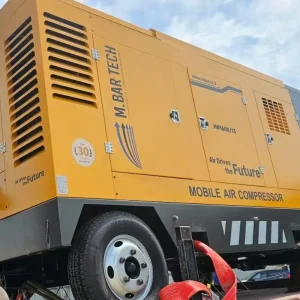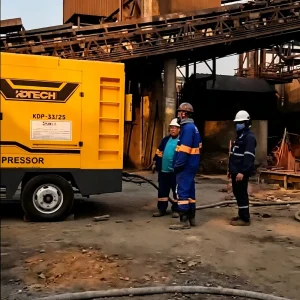

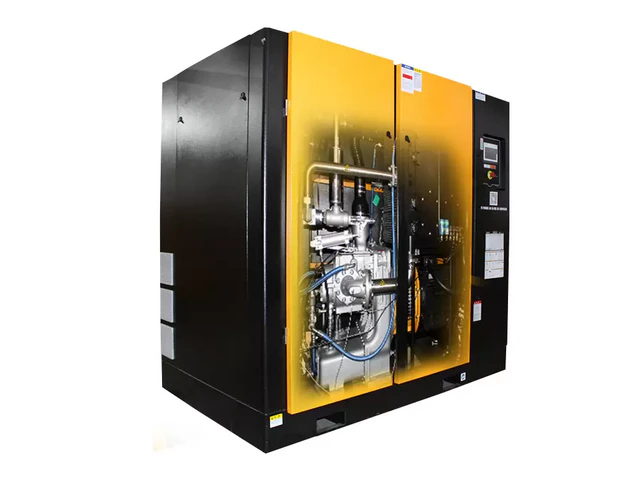
Industrial air compressors are the unsung heroes of oil & gas refineries, critical for everything from instrument control to process air and nitrogen generation. This article, penned by a seasoned industry expert, dives deep into their diverse applications, the unique challenges of the refinery environment, and strategic approaches to ensure maximum uptime, energy efficiency, and compliance with stringent industry standards like API. We'll explore how modern trends in digitalization and predictive maintenance are reshaping compressor management, offering actionable insights for refinery operators aiming to optimize performance and reduce total cost of ownership in these demanding settings.
Refinery Air Compressors: Powering Uptime & Profitability
Related: Refinery compressed air systems · upstream and downstream air applications · hazardous area compressors · air quality for refining · compressor reliability in O&G · total cost of ownership · energy optimization for industrial compressors
In the relentless world of oil and gas refining, reliable industrial air compressors aren’t just equipment; they’re the lifeblood of continuous operation. Frankly, without a robust and meticulously managed compressed air system, a modern refinery simply grinds to a halt. My 12+ years on the ground have shown me time and again that overlooking the nuances of these systems leads directly to costly downtime and significant safety hazards.
Key Insights:
- Reliable Instrument Air is Non-Negotiable: It’s the backbone for critical process control, ensuring safety and operational stability.
- Energy Efficiency Drives Profitability: Compressed air systems are major energy consumers; optimizing them directly impacts the bottom line.
- API Standards are the Minimum: Compliance with API 619 and API 672 is essential for safety, longevity, and performance in hazardous areas.
- Predictive Maintenance is Evolving from Luxury to Necessity: Digitalization offers unprecedented uptime and TCO reduction opportunities.
- Harsh Environments Demand Bespoke Solutions: Standard compressors rarely cut it; specialized materials and designs are crucial for longevity.
- High-Pressure Air Compressor Applications in Oil & Gas Industry
- Durable Air Compressor Applications for 24H Oil & Gas Production
- Sustainable Development Insights for Mining Air Compressor Industry
- Mining Air Compressor Procurement Trends | Industry Insights
- Industrial air compressors, oil & gas refineries, instrument air, process air, nitrogen generation, API standards, uptime, energy efficiency, predictive maintenance – Industry Insights
- Mining Air Compressor Industry Insights | Market Trends 2026
- Modular Mining Air Compressor Systems for Phased Expansion
- Turnkey Mining Air Compressor Solutions for New Mine Development
Further Reading
About the Author

Related Reading: Air Compressors for Oil & Gas Drilling Operations: Key Applications
Related Applied Cases