Navigating the Future of Mining Air Compressors by 2026
The mining sector is a beast, constantly demanding more from its equipment, and air compressors are no exception. For anyone operating or investing in this space, understanding where the market is headed by 2026 isn’t just smart; it’s essential for survival. We’re looking at a significant shift, driven by efficiency and smarter tech.
Key Insights: Mining Air Compressor Industry Trends to 2026
- Electrification is Accelerating: Mines are moving away from diesel, pushing demand for electric and battery-powered compressors to cut emissions and fuel costs.
- Automation and Digitalization are Paramount: Integration with broader mine management systems for predictive maintenance and optimized energy use is no longer a luxury; it’s a necessity.
- Energy Efficiency Drives Investment: Soaring energy prices make high-efficiency units, VSD compressors, and waste heat recovery systems critical for reducing operational expenditure.
- Sustainability Mandates Innovation: Environmental regulations and ESG pressures are forcing a pivot towards greener compressed air solutions and reduced carbon footprints.
- Supply Chain Resilience Matters: Geopolitical shifts and raw material volatility will continue to challenge lead times and pricing, requiring strategic sourcing.
Mining Air Compressor Market Overview and Growth Projections
The global market for mining air compressors is on a clear upward trajectory. This isn’t just about replacing old equipment; it’s about meeting the demands of deeper, more remote mines and the broader push for operational excellence.
Regional Dynamics Shaping Demand
Emerging economies, particularly in Asia-Pacific and Latin America, are significant growth engines due to expanding mining operations. However, established markets in North America and Europe are seeing substantial investment in upgrading to more efficient and automated systems, largely driven by strict environmental regulations and high labor costs. The demand for robust, reliable compressed air in these regions remains constant for applications like drilling, pneumatic tool operation, and ventilation.
Driving Forces and Emerging Technologies
The forces reshaping the mining air compressor industry are multifaceted, blending economic necessity with technological innovation. We’re seeing a convergence of factors that demand smarter, more sustainable solutions.
Electrification and Automation for Enhanced Productivity
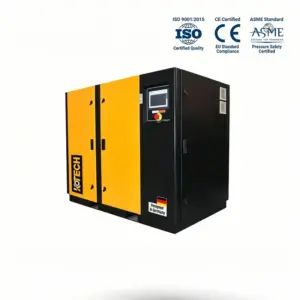
The shift from diesel-powered to electric and even battery-electric mining equipment is undeniable. This transition directly impacts compressed air systems. Electric compressors, especially those with Variable Speed Drive (VSD) technology, offer superior energy efficiency and lower emissions, aligning perfectly with modern mining goals. Automation is also key; integrating compressors into a mine’s central control system allows for remote monitoring, optimized pressure settings, and proactive maintenance. This reduces human intervention in hazardous environments and maximizes uptime.
Energy Efficiency and Sustainability Initiatives
Energy costs remain a top concern for mining operations. This makes efficiency paramount. Beyond VSDs, waste heat recovery systems are gaining traction, capturing heat generated by compressors to warm water or buildings, further reducing a mine’s energy footprint. Sustainability isn’t just a buzzword; it’s a critical operational metric.
Digitalization and Predictive Maintenance
The Internet of Things (IoT) and advanced analytics are transforming how mining compressors are managed. Sensors provide real-time data on pressure, temperature, flow, and vibration. This data feeds into predictive maintenance algorithms, allowing operators to identify potential failures before they occur, scheduling maintenance during planned downtime rather than reacting to catastrophic breakdowns. This minimizes costly interruptions and extends equipment lifespan. This level of insight was unthinkable two decades ago.
Challenges and Constraints in the Mining Air Compressor Market
While opportunities abound, the sector isn’t without its hurdles. These challenges often dictate the pace of adoption for new technologies and influence purchasing decisions.
High Operating Costs and Initial Investment
The upfront cost of advanced, energy-efficient, or electric compressors can be substantial. For smaller mining operations, this capital expenditure can be a barrier, even if the long-term operational savings are clear. Additionally, the sheer energy consumption of traditional systems continues to be a drain on budgets, especially with volatile electricity prices.
Supply Chain Volatility and Raw Material Costs
The global supply chain has been a rollercoaster, and it continues to impact lead times and pricing for heavy machinery components. Raw material costs, particularly for steel, copper, and specialized alloys used in compressor manufacturing, fluctuate significantly. This volatility makes long-term planning difficult for both manufacturers and end-users. In our experience, waiting lists for specific high-performance units can stretch for months.
Regulatory Pressures and Environmental Compliance
Mines face increasing scrutiny regarding their environmental impact. Stricter emissions standards, noise regulations, and requirements for sustainable resource management push operators towards cleaner technologies. While beneficial in the long run, complying with these evolving regulations can add complexity and cost in the short term.
Strategic Recommendations for Stakeholders
Navigating these trends and challenges requires a proactive, strategic approach.
Invest in Smart, Energy-Efficient Systems
Prioritize VSD compressors, oil-free options where product purity is critical, and integrated waste heat recovery. These systems offer a rapid return on investment through reduced energy bills and lower maintenance. Look for suppliers offering comprehensive service packages that include remote monitoring and predictive analytics.
Diversify Supply Chains and Plan Ahead
To mitigate supply chain risks, engage with multiple reputable suppliers and consider holding critical spare parts inventory. Long-term procurement planning becomes non-negotiable. Don’t wait until a critical component fails to realize you’re on a six-month backorder.
Prioritize Workforce Training and Digital Integration
The new generation of mining compressors is more complex. Invest in training your maintenance teams on diagnostic software, IoT platforms, and the specific requirements of electric and automated systems.
A Counter-Perspective: When Conventional Still Makes Sense
While the push for advanced technology is strong, it’s important to acknowledge that not every mining scenario demands the absolute cutting edge. For certain smaller, intermittent operations or those in extremely remote areas with limited grid access, a robust, simpler fixed-speed diesel compressor might still be the most cost-effective and reliable solution in the short term. This is especially true if the initial capital outlay for a sophisticated electric system or the infrastructure to support it (like a robust power grid) is prohibitive. However, this is increasingly becoming a niche case, as the long-term operational and environmental costs typically favor modern alternatives.
The Path Forward: Adapting to Change
The mining air compressor industry is not static. By 2026, the landscape will be more electrified, more automated, and undoubtedly more focused on sustainable practices. Companies that embrace these changes, investing in smart technology and robust operational strategies, will be best positioned for success. Those clinging to outdated methods risk being left behind in a sector that increasingly values efficiency and environmental responsibility. The future of mining compressed air is about working smarter, not just harder.