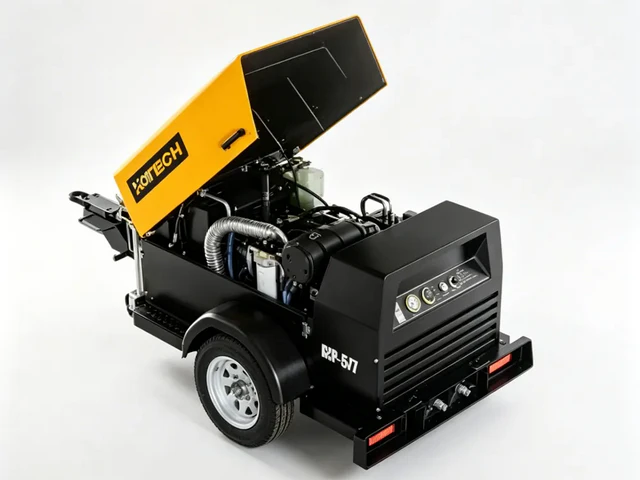
Two-Stage Compressors: The Backbone of Modern Wastewater Aeration
Here are the key insights into why two-stage air compressors are non-negotiable for effective wastewater treatment:
- Reliable High-Pressure Aeration: They deliver consistent, high-volume air essential for maintaining optimal dissolved oxygen levels in activated sludge tanks, crucial for biological processes.
- Reduced Maintenance & Longer Lifespan: Lower internal operating temperatures and reduced stress on components mean less wear, fewer breakdowns, and extended equipment life.
- Versatile Application: Beyond aeration, these compressors power critical processes like filter pressing, pneumatic controls, and digester gas handling within the plant.
The core of modern wastewater treatment hinges on efficient aeration. Without it, biological processes falter, effluent quality drops, and compliance becomes a nightmare. They aren’t merely a piece of equipment; they’re an investment in operational stability and cost reduction.
The Indispensable Role of Two-Stage Compressors in Wastewater Treatment
Unlike their single-stage counterparts, these units compress air in two distinct steps, with intercooling between stages. This process dramatically reduces the heat of compression, allowing for more efficient operation and greater air output per unit of energy input. The primary application is, of course, the aeration of activated sludge basins, where a steady supply of oxygen is vital for microorganisms to break down organic pollutants.
Beyond aeration, two-stage compressors offer the robust, reliable power needed for other critical functions. Think about pneumatic control systems that manage valves and gates, or the high-pressure air required for filter presses in sludge dewatering operations. These are not intermittent tasks; they demand continuous, dependable performance, making the inherent durability of a two-stage system highly advantageous.
Driving Efficiency: Economic and Regulatory Imperatives
The drive for energy efficiency in WWTPs isn’t just about saving money; it’s increasingly about meeting sustainability goals and adhering to stricter environmental regulations.
The market for energy-efficient industrial air solutions for wastewater is growing. This trend underscores a clear industry shift towards technologies that offer a lower total cost of ownership (TCO) over their operational lifespan. Plant managers are looking past the initial capital expenditure to the long-term operational savings. Frankly, ignoring this trend is leaving money on the table.
Unpacking the Operational Advantages of Two-Stage Systems
The mechanical advantage of two-stage compression is straightforward. By splitting the compression process, the system operates at lower internal temperatures. This means less thermal stress on components, which translates directly into reduced wear and tear on bearings, seals, and rotors. Lower operating temperatures also improve the volumetric efficiency, meaning more actual air delivered for the same displacement, and less moisture in the compressed air, which is a common problem for single-stage units.
For aeration, consistent airflow and pressure are paramount. Fluctuations can lead to uneven dissolved oxygen (DO) levels, impacting the biological process and potentially leading to non-compliance with discharge permits. Two-stage compressors, especially when paired with Variable Speed Drives (VSDs), offer unparalleled control over airflow, allowing plants to precisely match oxygen demand in real-time. This precision not only optimizes the biological process but further reduces energy waste.
When Single-Stage Compressors Fall Short: A Critical Distinction
While single-stage compressors have their place in certain light-duty, intermittent applications, they often prove inadequate for the demanding, continuous operation of a typical wastewater treatment plant. Trying to push a single-stage unit to deliver the continuous high pressure and volume required for aeration or filter pressing quickly leads to overheating, excessive energy consumption, and premature failure.
A single-stage compressor compresses air in one swift action. This generates substantial heat and places immense stress on components when operating at higher pressures or for extended durations. The efficiency curve drops off sharply as pressure demands increase. Therefore, while the upfront cost of a single-stage unit might seem appealing, it almost invariably leads to higher energy bills, more frequent maintenance, and shorter operational life in a WWTP context. They simply aren’t designed for the sustained, heavy-duty cycles that characterize wastewater operations. You wouldn’t use a passenger car to haul industrial freight, right? It’s the same principle here.
Strategic Implementation: Best Practices for Wastewater Facilities
Implementing two-stage air compressors effectively involves more than just buying the right unit. Proper sizing is critical; an undersized compressor will work too hard, while an oversized one wastes energy. Working with experienced system designers who understand the specific demands of wastewater aeration is key. Integrating VSD technology is almost always a smart move, allowing the compressor to adjust its output to match fluctuating oxygen demand, a common scenario in WWTPs. This can lead to further energy savings beyond the inherent efficiency of the two-stage design itself.
Regular maintenance, preventive checks, and remote monitoring capabilities are also vital for maximizing uptime and extending the life of these crucial assets. Modern compressor systems often come with IoT capabilities, providing real-time data on performance, temperature, and pressure. This allows for predictive maintenance, addressing potential issues before they become costly breakdowns. Investing in a robust air treatment system (filters, dryers) downstream of the compressor is also important to protect pneumatic equipment and ensure clean, dry air delivery.
Navigating Common Challenges and Future Trends
Despite their advantages, two-stage compressors do present some challenges. Their initial capital cost is typically higher than single-stage units, which can be a hurdle for budget-constrained municipalities. However, the rapid payback period through energy savings often justifies this investment. Space can also be a consideration; these units might have a slightly larger footprint. Noise levels, while generally well-managed in modern designs, still require proper acoustic planning in certain installations.
Looking ahead, the industry is moving towards even smarter, more integrated systems. Predictive analytics, AI-driven optimization of aeration, and advanced sensor technologies are becoming standard. Compressors will increasingly communicate with other plant systems, adjusting their output dynamically based on real-time biological process data, further refining energy use and operational efficiency. The future of wastewater treatment relies on these robust, intelligent air systems.
Enhancing Reliability Through Advanced Controls
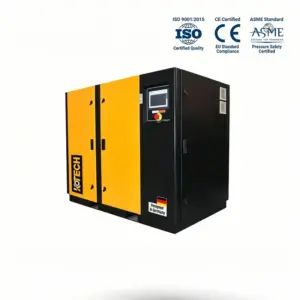
Modern two-stage air compressor systems often incorporate sophisticated control panels. These allow for precise adjustments to pressure and flow, ensuring that dissolved oxygen levels in aeration tanks remain within optimal ranges. This precision minimizes energy waste from over-aeration and prevents under-aeration, which can lead to inefficient treatment and odor issues.
The Role of Air Quality in Compressor Longevity
Maintaining high air quality entering the compressor is crucial. Dust, moisture, and other contaminants can significantly reduce the lifespan of internal components. Proper intake filtration and a well-designed compressor room environment are essential preventative measures that prolong equipment life and reduce unexpected maintenance costs.