Maximizing Pipeline Uptime with Strategic Air Compressor Deployment
- Reliable air compression is the backbone of safe and efficient pipeline operations. From initial construction to ongoing maintenance and emergency repairs, the right compressor ensures critical tasks are completed without compromise.
- Digitalization and energy efficiency are no longer optional but essential. Integrating IoT for predictive maintenance and investing in high-efficiency units significantly reduces operational costs and environmental impact.
- Choosing the right compressor goes beyond basic specs; it demands a deep understanding of site-specific conditions. Harsh environments, remote locations, and strict safety protocols dictate specialized equipment and robust planning.
- Regulatory compliance and stringent safety standards continue to drive innovation. Operators must prioritize equipment that meets or exceeds these benchmarks to avoid costly downtime and penalties.
Why Reliable Air Compression is Non-Negotiable for Pipeline Integrity
In the oil and gas sector, pipeline integrity isn’t just a buzzword; it’s the bedrock of our operations, directly impacting safety, environmental protection, and profitability. When we talk about maintaining these critical arteries, the role of industrial air compressors is often underestimated, yet it’s absolutely central. It’s not just about powering tools; it’s about enabling precise control, ensuring effective cleaning, and facilitating critical inspection processes that keep hydrocarbons flowing safely. Without robust, dependable air compression, many essential pipeline maintenance tasks simply wouldn’t be possible, leading to significant operational risks and potential catastrophic failures.
The Evolving Landscape of Pipeline Maintenance: Data-Driven Imperatives
The oil and gas industry is under constant pressure to optimize operations while adhering to ever-tightening regulatory and environmental standards. This necessitates a strategic approach to every piece of equipment, including air compressors.
Rising Demand and Infrastructure Challenges
Global energy demand continues to climb, and with it, the need for expanded and well-maintained pipeline infrastructure. The International Energy Agency (IEA) reported in its 2023 World Energy Outlook that global natural gas demand is projected to increase through 2030, underscoring the ongoing reliance on extensive pipeline networks. This growth, coupled with an aging infrastructure in many regions, means pipeline operators are grappling with increased inspection frequencies and more complex maintenance challenges. Each new mile of pipeline, and every year an existing one operates, adds to the demand for reliable, field-ready air compression solutions.
Operational Efficiency and Environmental Compliance
Efficiency is paramount. Operators are constantly seeking ways to reduce operational expenditures (OpEx) while minimizing their environmental footprint. This directly impacts air compressor selection. We’re no longer just looking for raw power; we’re demanding units with advanced controls, variable speed drives (VSD), and lower emissions to align with sustainability goals and comply with increasingly strict regulations, such as EPA methane emission rules.
Critical Air Compressor Applications Across the Pipeline Lifecycle
Air compressors are deployed at virtually every stage of a pipeline’s life, fulfilling diverse and critical functions. Understanding these applications helps in specifying the right equipment.
Pre-Commissioning: Cleaning, Drying, and Testing
Before a new pipeline segment can carry product, it must be thoroughly cleaned, dried, and tested. This is where high-volume, often oil-free, air compressors shine.
- Pipeline Cleaning: Compressed air propels cleaning pigs through the line, removing debris, construction residue, and water. This prevents contamination and ensures smooth flow once the pipeline is operational.
- Pipeline Drying: After hydrostatic testing (using water to check for leaks), the pipeline must be completely dry to prevent internal corrosion and hydrate formation, especially for natural gas lines. Air compressors, often paired with desiccant dryers, push dry air through the pipeline to achieve specified dew points. This process is painstaking, requiring consistent air pressure and flow rates over extended periods.
- Hydrostatic Testing: While water is the primary medium, compressed air is often used for initial pressurization, dewatering, and pressure testing smaller segments or components where water isn’t feasible.
Routine Maintenance: Pigging and Pneumatic Tool Support
Ongoing maintenance is crucial for pipeline longevity and safety. Air compressors are integral to these routine tasks.
- Pigging Operations: Regular pigging is essential for internal cleaning, inspection (smart pigs), and batch separation. Portable air compressors provide the necessary pneumatic power to launch and receive these pipeline intervention gadgets, ensuring they traverse the line effectively. Unreliable air supply here means a pig could get stuck, leading to costly retrieval operations and downtime.
- Pneumatic Tool Support: From impact wrenches for flange repairs to grinders for weld prep and specialized cutting tools, pneumatic tools are staples in pipeline maintenance crews. A robust, consistent supply of instrument air ensures these tools operate at peak efficiency, improving productivity and safety.
Emergency Repairs and Specialized Operations
When leaks or damage occur, rapid response is critical. Air compressors facilitate quick and safe repairs.
- Line Purging and Isolation: In emergency situations, compressed air or nitrogen (generated on-site using air compressors) is used to purge pipeline sections of hydrocarbons, creating a safe working environment for repair crews. This is a non-negotiable safety step.
- Pipeline Dewatering for Repairs: If a segment needs to be drained for repair, air compressors assist in pushing out residual product or water.
- Valve Actuation and Control Systems: Many critical valves in pipeline systems are pneumatically actuated. Reliable instrument air is essential for their operation, especially in remote or hazardous areas where electrical systems might be compromised.
Choosing the Right Compressor: Beyond Just CFM and PSI
Selecting an air compressor for pipeline applications isn’t a one-size-fits-all decision. It requires a holistic view of the operational environment, specific application needs, and long-term cost considerations.
Key Considerations for Harsh Environments
Pipeline work often takes us to the most challenging environments – deserts, tundras, dense forests, or offshore platforms. These conditions demand specialized equipment.
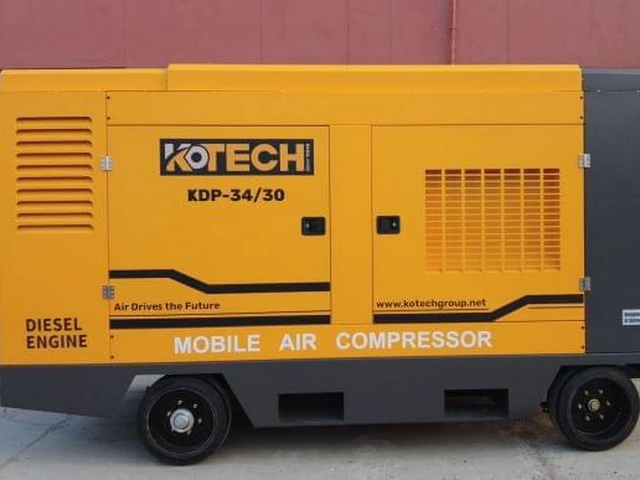
- Portability and Durability: For remote locations, portable air compressors mounted on skids or trailers are essential. They need to be rugged, weather-resistant, and capable of operating reliably in extreme temperatures, dust, and humidity.
- Power Source: Diesel-driven compressors are common in areas without grid power. However, hybrid or electric units are gaining traction for their lower emissions and noise, especially near populated areas or for longer-duration stationary tasks.
- Air Quality: For instrument air or drying applications, oil-free compressors or units with robust filtration systems are critical to prevent contamination of the pipeline or sensitive equipment.
The Pitfalls of Under-specifying or Over-Complicating
It’s tempting to either cut corners or over-engineer. Both approaches can be costly. Under-specifying a compressor – choosing a unit with insufficient CFM or PSI – leads to slow operations, inefficient tool performance, and potentially damaged equipment. Conversely, over-complicating with unnecessary features or oversized units can result in higher capital expenditure (CapEx), increased fuel consumption, and more complex maintenance. The sweet spot lies in matching the compressor’s capabilities precisely to the actual demands of the application, factoring in future growth or changes. For instance, a small, electric, oil-lubricated unit suitable for a workshop bench won’t cut it for large-scale pipeline drying, nor would a massive diesel-driven unit be efficient for powering a single pneumatic wrench.
The Future of Pipeline Air Compression: Smart, Sustainable, and Secure
The industry is moving rapidly towards more intelligent and environmentally conscious solutions.
Embracing Digitalization and Predictive Maintenance
The integration of IoT sensors and advanced analytics is transforming compressor management. Remote monitoring allows operators to track performance metrics like pressure, temperature, and fuel consumption in real-time. This data enables predictive maintenance, identifying potential issues before they cause costly failures. Smart compressors are becoming an integral part of this digital ecosystem, offering unparalleled insights into operational health and efficiency.
Prioritizing Energy Efficiency and Emissions Reduction
Environmental regulations and corporate sustainability goals are pushing for more energy-efficient compressor technologies. Furthermore, the push for lower emissions means exploring alternative power sources, including electric-driven units powered by renewables, or even hydrogen fuel cell compressors in the long term.
Navigating Regulatory Compliance and Safety Standards
Safety remains paramount. All air compression equipment used in oil and gas pipeline maintenance must comply with stringent industry standards (e.g., API, OSHA) and local regulations. This includes proper ventilation, pressure relief systems, emergency shut-offs, and routine inspections. Investing in properly certified and maintained equipment isn’t just about avoiding fines; it’s about protecting lives and ensuring operational continuity.