
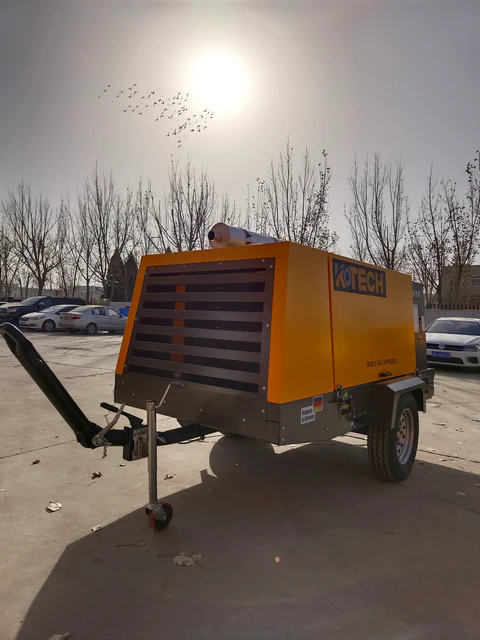
In the demanding sectors of construction, mining, and exploration, the air compressor isn't just a piece of equipment; it's the lifeline for critical operations. This article, penned by a seasoned industry expert, cuts through the noise to deliver actionable insights on selecting, maintaining, and optimizing these essential machines. We'll dive into real-world pain points, unpack current market trends backed by data, and guide you toward maximizing uptime and efficiency in the toughest environments.
Choosing the Right Air Compressor for Extreme Environments
Key Takeaways
- Air compressors are mission-critical in harsh environments, directly impacting project success.
- Unplanned downtime from compressor failure is a major cost driver.
- Industry trends emphasize efficiency, sustainability (electrification, reduced emissions), and smart technology (remote monitoring).
- Specific applications dictate compressor type: portable diesel for flexibility, stationary electric for robust, consistent power.
- Aggressive, context-specific maintenance is non-negotiable for maximizing equipment lifespan.
- Modern diesel compressors (Tier 4 Final) remain essential for remote sites lacking electrical infrastructure.
Related: Industrial pneumatic systems · portable air power solutions · high-pressure air delivery · rotary screw compressors · reciprocating compressors · diesel air compressors · electric air compressors · MSHA compliance · Tier 4 Final engines · drill rig air supply.
Frankly, in construction, mining, and exploration, your air compressor isn’t just another tool; it’s the heart of your operation. Get it wrong, and you’re looking at costly downtime, missed deadlines, and a major hit to profitability. I’ve seen projects stall for days because a compressor couldn’t handle the load or the environment, and believe me, those lessons stick.
Here are the key insights you need to consider right now:
- Uptime is Non-Negotiable: Reliability in extreme conditions directly impacts project timelines and budgets.
- Efficiency Drives Profit: Fuel consumption and energy costs are major operational expenses; optimizing compressor performance can yield significant savings.
- Adaptability is Key: Different applications (drilling, blasting, pneumatic tools) demand specific compressor types and capacities.
- Technology is Transforming: Remote monitoring, electrification, and compliance with stricter emissions standards are no longer optional.
- Maintenance is Proactive, Not Reactive: A robust maintenance schedule tailored to harsh environments prevents catastrophic failures.
The Unseen Powerhouse: Why Your Project Demands the Right Air Compressor
The core judgment here is simple: investing in the right air compressor for construction, mining, and exploration isn’t an expense; it’s a strategic necessity. Whether you’re powering rock drills, pneumatic tools, or ventilation systems, consistent, reliable compressed air is paramount.
My experience tells me that many operators underestimate the stress these machines endure. We’re talking about constant exposure to dust, extreme temperatures, high altitudes, and relentless vibration. A standard industrial compressor just won’t cut it. You need heavy-duty, purpose-built equipment designed to withstand these brutal conditions, ensuring your crew isn’t left waiting for air.
The real pain point? Unplanned downtime. Every minute a drill isn’t running or a jackhammer is silent dueifies directly to lost productivity and revenue. This isn’t just about a broken part; it’s about the ripple effect across an entire project schedule, often escalating into contractual penalties.
Navigating the Terrain: Key Industry Trends & Data-Driven Insights
The landscape for heavy-duty pneumatic systems is evolving rapidly. We’re seeing a strong push towards efficiency, sustainability, and smart technology.
According to a report by Grand View Research in 2023, the global construction equipment market is projected to reach over $200 billion by 2030, driven in part by infrastructure spending and urbanization. This growth inherently increases demand for robust, reliable air power solutions on job sites. Furthermore, a 2024 analysis by MarketsandMarkets highlighted a significant surge in the adoption of electric and hybrid construction equipment, projecting an annual growth rate exceeding 15% through 2029. This trend directly impacts compressor selection, favoring electric or hybrid models where grid power is available or fuel efficiency is critical.
Energy consumption remains a critical factor. For instance, data compiled by the U.S. Energy Information Administration (EIA) in 2022 showed that industrial motors, including those driving compressors, account for a substantial portion of total industrial electricity use. Optimizing compressor efficiency directly translates to significant operational cost savings, a fact no project manager can ignore.
This isn’t just about saving a buck; it’s about meeting increasingly stringent environmental regulations and demonstrating corporate responsibility. The pressure to reduce carbon footprints is real, and it’s coming from regulators, investors, and even clients.
Matching Power to Purpose: Compressor Types & Application Specifics
Choosing the right compressor isn’t a one-size-fits-all decision. It’s about understanding the specific demands of your application.
Construction Sites: Versatility and Portability
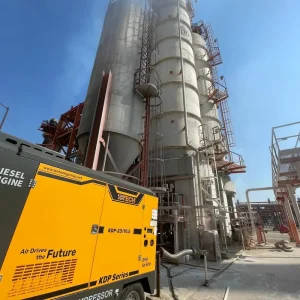
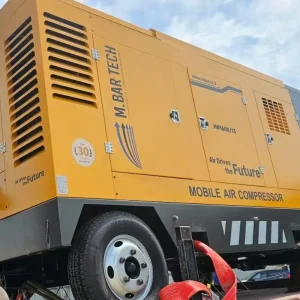
Construction often requires flexibility. Portable air compressors, typically diesel-powered rotary screw units, are workhorses here. They power everything from pneumatic hammers and compactors to sandblasting equipment and small rock drills. Key considerations include CFM (cubic feet per minute) output, PSI (pounds per square inch) for specific tools, and robust chassis design for frequent relocation across rough terrain. Noise levels can also be a factor, especially in urban environments.
Deep Mining Operations: Robustness and Reliability
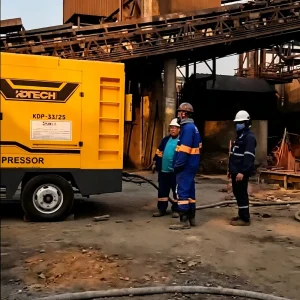
Underground mining presents unique challenges: confined spaces, explosive atmospheres, and extreme dust. Here, stationary electric compressors are common, often paired with extensive air treatment systems to remove moisture and particulates. Safety is paramount, demanding MSHA-compliant designs and robust filtration. For drilling rigs, high-pressure, high-volume units are essential to power down-the-hole (DTH) hammers and drill bits efficiently. The sheer scale of some mining operations means reliability is mission-critical; a single compressor failure can halt production across multiple shifts.
Exploration Ventures: Remote Readiness
Exploration sites are frequently in the most remote, inhospitable locations imaginable. Portability, fuel efficiency, and extreme durability are paramount. Diesel-powered portable compressors are standard, often mounted on skids or trucks for easy transport. The ability to perform maintenance with minimal tools and parts is a huge advantage. Satellite connectivity for remote diagnostics is also becoming a game-changer, allowing operators to monitor performance and anticipate issues before they escalate.
Beyond the Purchase: Operational Excellence & Maintenance Pitfalls
Buying the right compressor is only half the battle. Maximizing its lifespan and performance requires diligent operational practices and a proactive maintenance strategy. I’ve seen operators burn through expensive equipment simply by neglecting basic checks.
Fuel efficiency is a constant concern for diesel units. Optimizing engine load, ensuring proper filtration, and using high-quality fuel can dramatically reduce operating costs. For electric units, managing power demand and ensuring a stable power supply prevents motor strain and potential damage.
Maintenance schedules must be aggressive and tailored to the harsh environment. This means more frequent air filter changes, oil checks, and component inspections than a typical industrial setting. Dust, moisture, and temperature fluctuations accelerate wear and tear. Ignoring these factors is a direct path to premature failure. Frankly, this point is where many operations fall short, prioritizing immediate output over long-term equipment health.
While electric compressors are gaining traction for their efficiency and lower emissions, they aren’t a silver bullet for every remote exploration site lacking reliable grid access or sufficient generator capacity. In those scenarios, modern diesel compressors with Tier 4 Final engines, offering reduced emissions and improved fuel economy, remain the most practical and often the only viable solution.
The Future is Now: Smart Compressors & Sustainability
The industry is moving towards smarter, more sustainable air compressor solutions. IoT integration allows for real-time remote monitoring of pressure, temperature, fuel levels, and service intervals. This predictive maintenance capability means you can schedule repairs before a major breakdown occurs, minimizing costly downtime. Imagine getting an alert on your phone that a filter needs changing hundreds of miles away – that’s the power of these systems.
Hybrid and electric models are becoming more prevalent, especially in construction and surface mining where charging infrastructure is accessible. These units offer significantly lower emissions and reduced noise, which is a major advantage in urban construction zones or environmentally sensitive areas. Manufacturers are also focusing on modular designs, making components easier to replace and reducing the overall lifecycle environmental impact.
Compliance with emissions regulations, like EPA Tier 4 Final for off-road diesel engines, is critical. Failing to meet these standards can result in hefty fines and operational restrictions. When selecting new equipment, ensuring it meets or exceeds current and anticipated regulations isn’t just good practice; it’s a legal necessity.
Expert Insights
"Having spent over a decade on sites from the dusty plains of Nevada to the high-altitude mines of Chile, I can tell you this: the best air compressor is the one that never stops running. It's not about the initial purchase price; it's about the total cost of ownership, which is heavily influenced by reliability, fuel efficiency, and smart maintenance. Don't cut corners here; your project's success depends on it."
Further Reading
- Long-Run Portable Diesel Compressors for 24/7 Mining Projects
- Common Oil & Gas Air Compressor Applications for Drilling Projects
- Mining Air Compressor Noise Reduction: Regulations & Solutions
- How Two-Stage Compressors Improve Efficiency in Textile Factories
- Mining Air Compressors, Construction Air Compressors, Exploration Air Compressors, Heavy-Duty Compressors – Mining Air Compres
- All-Weather Portable Diesel Air Compressors for Mining Operations
- Oil & Gas Air Compressor Applications in Onshore Oilfield Operations
- Two-Stage Air Compressor Applications in Woodworking Industries
About the Author

Related Reading: Two-Stage Air Compressor for Powering Blasting and Demolition Tools
Related Applied Cases