Selecting and Maintaining Skid-Mounted Diesel Compressors for Peak Mining Performance
When you’re out on a mining rig site, often miles from the nearest paved road, the last thing you want is equipment failure. In our experience, a reliable air compressor isn’t just a piece of kit; it’s the lifeblood of your drilling, blasting, and pneumatic tool operations. Skid-mounted portable diesel compressors are purpose-built for this brutal environment, and getting the selection and maintenance right is critical.
Here are the key insights for maximizing your investment in these vital machines:
- Durability is Non-Negotiable: Opt for heavy-duty construction designed to withstand extreme vibration, dust, and temperature swings.
- Fuel Efficiency Matters Deeply: Modern engines with advanced controls can significantly cut operational costs, directly impacting your bottom line.
- Serviceability Drives Uptime: Easy access for routine maintenance and quick component replacement minimizes costly downtime in remote locations.
- Right Sizing Prevents Headaches: Match compressor output (CFM/PSI) precisely to your rig’s demands; over- or under-sizing leads to inefficiency or premature wear.
- Compliance Isn’t Just a Sticker: Ensure Tier 4 Final compliance for emissions, not just for regulations but for better site air quality and often, better fuel economy.
The Unyielding Demand: Why Skid-Mounted Diesel Compressors Are Non-Negotiable for Mining
In mining, the rhythm of operations is dictated by equipment reliability. A skid-mounted diesel compressor isn’t a luxury; it’s a foundational asset providing the muscle for everything from blast-hole drilling to powering pneumatic rock drills and ventilation systems. These units are specifically engineered to deliver high-pressure air consistently, often operating 24/7 in conditions that would chew up lesser machines. Their portability means you can redeploy them quickly across vast, rugged landscapes, following the mine face or new exploration targets. This flexibility is what makes them indispensable for both surface and underground operations requiring robust, mobile air power.
Navigating Harsh Realities: The True Cost of Downtime and Inefficiency
The mining sector operates on tight margins and even tighter schedules. Equipment failure, particularly with a core utility like air compression, can trigger a domino effect of delays and cost overruns.
Beyond direct downtime, inefficient compressors bleed money through excessive fuel consumption. Investing in a modern, fuel-efficient diesel air compressor with advanced engine management systems isn’t just a green initiative; it’s a direct investment in your profitability. Furthermore, safety remains a critical concern. Reliable equipment reduces risks.
Engineering for Extremes: What Makes a Mining-Grade Compressor Stand Out
What differentiates a standard industrial air compressor from one fit for a mining rig? It boils down to extreme ruggedness and specialized features. Think heavy-gauge steel enclosures, reinforced chassis, and robust skid bases designed for repeated lifting and dragging over uneven terrain. These aren’t built for a clean factory floor.
Key features to look for include:
- Heavy-Duty Air Filtration: Multi-stage filtration systems are essential to combat the pervasive dust and debris, protecting the engine and air-end from premature wear.
- Advanced Cooling Systems: Oversized coolers and robust fan systems are critical for maintaining optimal operating temperatures in scorching deserts or humid jungles.
- Tier 4 Final Engines: These engines not only meet stringent emissions regulations but often feature electronic controls that optimize fuel consumption based on demand, reducing your environmental footprint and operating expenses.
- Integrated Fuel Tanks: Large capacity fuel tanks extend run times, reducing the frequency of refueling stops, which is a major logistical challenge at remote sites.
- Arctic-Ready Options: For cold climates, features like engine block heaters, battery blankets, and synthetic fluids ensure reliable starts and operation below freezing.
These aren’t just add-ons; they’re fundamental requirements that dictate longevity and performance in mining.
Beyond the Specs: When Portability Trumps All (and When It Doesn’t)
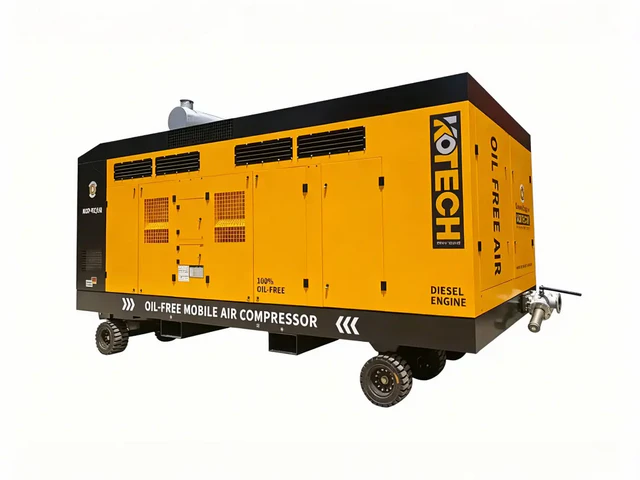
The term “portable” for a skid-mounted unit means it can be moved via forklift, crane, or even dragged, not typically towed on wheels. This level of portability is invaluable for dynamic mining environments where the point of use shifts frequently. For example, in open-pit mining, as blast patterns change, the need for compressed air moves with the drilling rigs. A skid-mounted unit offers the flexibility to be repositioned quickly and securely.
However, it’s important to understand the boundary conditions. This type of compressor isn’t always the ideal fit. For a permanent, centralized air supply in a processing plant or a long-term underground development, a fixed electric compressor system might offer better energy efficiency and lower long-term maintenance costs. Skid-mounted portable diesel compressors excel when the air demand is mobile, temporary, or located far from reliable grid power. They are the workhorses for remote exploration, initial site development, and supporting temporary power needs.
Smart Deployment & Maintenance: Maximizing Uptime and ROI at the Rig Site
Getting the most out of your heavy-duty portable compressors isn’t just about buying the right unit; it’s about smart deployment and meticulous maintenance. From our field observations, a proactive approach makes all the difference.
- Site Preparation: Ensure a level, stable surface for the compressor. Proper ventilation is crucial, especially in enclosed or semi-enclosed areas, to prevent overheating and ensure efficient combustion.
- Air Quality Management: Regularly inspect and clean air filters. In extremely dusty environments, this might mean daily checks. Clogged filters choke the engine and air-end, leading to reduced performance and increased fuel burn.
- Fluid Analysis: Implement a routine oil and coolant analysis program. This can detect minor issues before they become catastrophic failures, extending component life and preventing unexpected downtime.
- Hose and Connection Integrity: Leaking air lines are silent killers of efficiency. Regularly check all hoses, fittings, and connections for wear, cracks, or loose clamps. Even small leaks force the compressor to work harder, consuming more fuel.
- Operator Training: Ensure all operators are thoroughly trained on start-up, shutdown, safety protocols, and basic troubleshooting. A well-trained operator can often identify and address minor issues before they escalate.
Don’t cut corners here.
Future-Proofing Your Fleet: Trends in Mining Air Compression
The mining industry is constantly evolving, and so too are the demands on equipment. Looking ahead, several trends are shaping the future of industrial air compressors for mining:
- Increased Automation and Remote Monitoring: Expect more units with telematics and IoT capabilities, allowing for real-time performance monitoring, predictive maintenance alerts, and remote diagnostics from a central control room. This minimizes the need for personnel in hazardous areas and optimizes scheduling.
- Enhanced Safety Features: Expect more advanced safety interlocks, emergency stop systems, and integrated fire suppression, reflecting the industry’s ongoing commitment to worker safety.
These advancements aim to make mining operations safer, more efficient, and environmentally responsible. Staying abreast of these trends will ensure your fleet remains competitive and compliant.