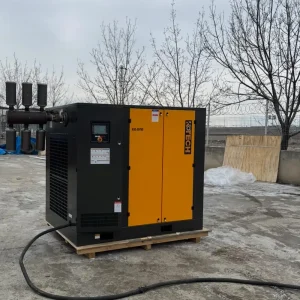
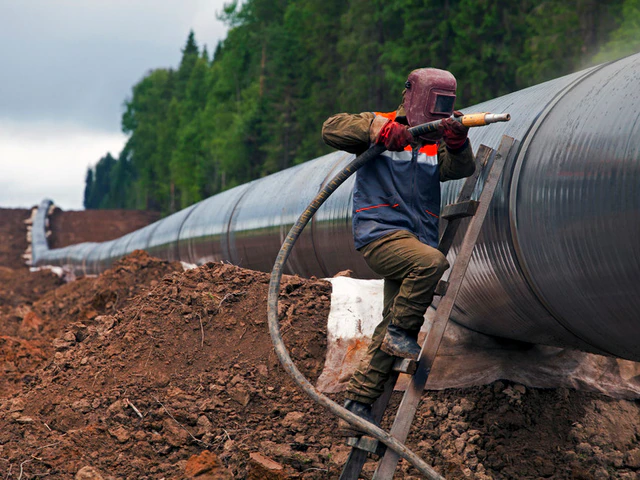
Selecting the Right Portable Air Compressor for O&G Pipeline Projects
The Unseen Criticality of Compressed Air in Pipeline Construction
In the oil and gas pipeline construction sector, every piece of equipment plays a vital role, yet portable air compressors often fly under the radar until they fail. Without it, entire segments of a project can grind to a halt. The real challenge isn’t just having a compressor; it’s having the *right* compressor, one that can withstand the brutal realities of remote job sites and deliver consistent performance day in, day out.
Why Reliability Isn’t Negotiable for Pipeline Projects
Pipeline construction sites are inherently isolated. When a critical piece of equipment, like an air compressor, goes down, the ripple effect is immediate and costly. Laborers stand idle, specialized equipment sits unused, and project deadlines slip.
Navigating Regulatory and Environmental Demands
The landscape for industrial equipment has shifted dramatically. Environmental regulations, especially concerning emissions, are tighter than ever. For any new equipment deployed in North America or Europe, Tier 4 Final or Stage V compliance for diesel engines isn’t optional; it’s the law. This directly impacts compressor selection and operational costs.
Emissions Standards: A Non-Negotiable Factor
The move towards lower emissions has pushed manufacturers to innovate, but it also means higher upfront costs for compliant units. For instance, the US Environmental Protection Agency (EPA) Tier 4 Final standards, fully implemented for most non-road diesel engines by 2015, significantly reduced particulate matter and nitrogen oxides. This requires advanced engine technology, often including Diesel Particulate Filters (DPF) and Selective Catalytic Reduction (SCR) systems, which demand specific low-sulfur diesel fuel and Diesel Exhaust Fluid (DEF). Ignoring these standards risks hefty fines and project stoppages.
Noise Pollution and Site-Specific Requirements
Beyond emissions, noise pollution is another growing concern, particularly near residential areas or sensitive ecological zones. Modern portable compressors are designed with advanced sound attenuation, but it’s crucial to check decibel ratings against local ordinances. Additionally, some hazardous environments within oil and gas facilities may require explosion-proof or spark-arrested units, a critical safety specification that cannot be overlooked.
Data-Backed Trends in O&G Pipeline Equipment
The oil and gas pipeline sector continues to see significant investment, driving demand for robust equipment. This sustained investment underlines the need for efficient and reliable construction machinery.
The Rise of Electrification and Hybrid Solutions
While diesel remains dominant, there’s a clear trend towards electrification. Hybrid and electric portable compressors are gaining traction, especially for projects with access to grid power or those aiming for a reduced carbon footprint. This shift offers lower operational costs (fuel savings) and reduced emissions, though it often comes with a higher initial capital outlay or requires significant on-site power infrastructure.
Advanced Telematics and Predictive Maintenance
Another significant advancement is the integration of telematics and remote monitoring. Modern compressors can transmit real-time data on performance, fuel consumption, and maintenance alerts. This allows for predictive maintenance, minimizing unexpected downtime. For remote pipeline sites, this capability is invaluable.
Practical Considerations for Compressor Selection
Choosing the right mobile compressed air unit involves more than just CFM and PSI. It requires a holistic view of the project’s specific needs, environmental factors, and long-term operational strategy.
Matching Compressor Specifications to Application Needs
- CFM (Cubic Feet per Minute) & PSI (Pounds per Square Inch): Understand the total air demand of all pneumatic tools and processes simultaneously. Hydrostatic testing, for example, often requires high flow rates for initial line fills, followed by precise pressure maintenance. Blasting operations demand high CFM at specific pressures for effective surface preparation.
- Air Quality: For instrument air applications (e.g., controlling valves or pneumatic instruments), oil-free air and specific dew points are essential. This necessitates additional filtration and desiccant dryers, which add to the system’s complexity and cost.
- Environmental Factors: Extreme temperatures (hot or cold) impact compressor performance. Consider specialized lubricants, cold-weather packages, or enhanced cooling systems. Dust and sand common on pipeline routes require heavy-duty air intake filters.
The Buy vs. Rent Dilemma
This is a classic CAPEX vs. OPEX decision.
- Purchasing: Makes sense for companies with continuous, long-term demand, significant capital, and the infrastructure to maintain a fleet. It offers full control and potential for asset depreciation.
- Renting: Ideal for project-specific needs, fluctuating demand, or when capital preservation is a priority. It offloads maintenance, storage, and compliance burdens to the rental provider. Many pipeline contractors opt for rental fleets due to the dynamic nature of their projects and the need for immediate access to diverse equipment.
Honestly, for most short-to-medium duration pipeline projects, renting usually offers the best flexibility and minimizes the risk of owning depreciating assets that might sit idle. It also ensures you’re always getting the latest, most compliant technology.
Beyond the Unit: Service, Support, and Safety
A compressor is only as good as the support behind it. Especially in remote oil and gas fields, access to spare parts, qualified technicians, and emergency service is paramount.
Ensuring Robust Aftermarket Support
Before committing to a brand or rental company, scrutinize their service network. How quickly can they dispatch a technician to your remote site? What’s their parts availability like? A nationwide or global service footprint is a significant advantage for companies operating across multiple regions. This detail often gets overlooked in the initial procurement phase, only to become a major headache when a breakdown occurs.
Safety Protocols and Training
Operating industrial air compressors, especially diesel-powered units, requires strict adherence to safety protocols. Proper ventilation, fire suppression, lockout/tagout procedures, and personal protective equipment (PPE) are non-negotiable. Ensure your team receives adequate training on the specific units deployed and that all equipment comes with comprehensive safety manuals.
When Standard Portable Compressors Aren’t Enough: Boundary Conditions
While portable air compressors are incredibly versatile, there are specific scenarios where they might not be the optimal solution, or where additional considerations are required. For instance, in situations demanding extremely high volumes of air (e.g., for very large diameter pipelines requiring rapid dewatering or high-pressure testing over extended lengths), a single portable unit may be insufficient. In these cases, a manifold system combining multiple high-CFM units or even a purpose-built, skid-mounted industrial air station might be necessary. Similarly, for continuous, long-term operations at a fixed facility adjacent to a pipeline, a stationary electric compressor could be more energy-efficient and cost-effective over its lifecycle, provided the necessary electrical infrastructure is in place. Portable units primarily excel in their namesake mobility and adaptability to changing site conditions.