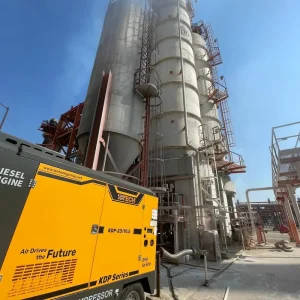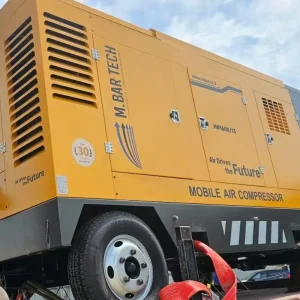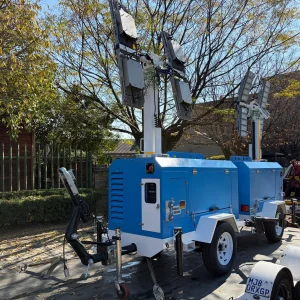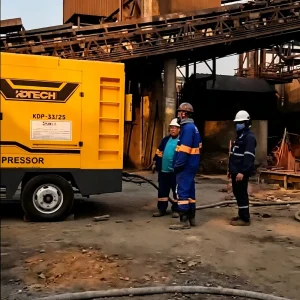

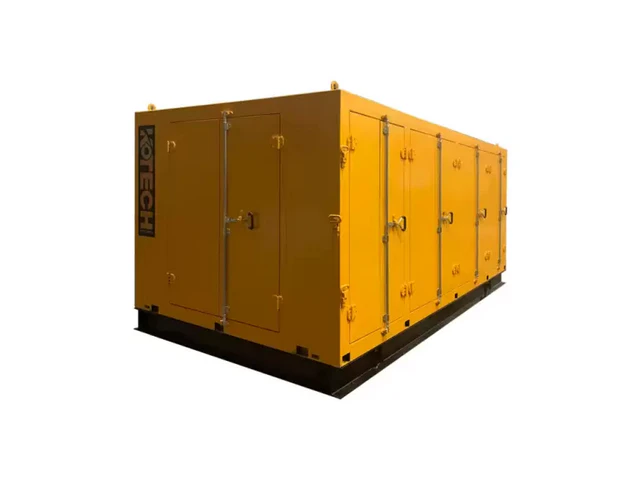
In the demanding world of mineral extraction, reliable and efficient compressed air is the bedrock of productivity. This article dives into compelling mining air compressor success stories, highlighting global industry benchmarks that drive significant ROI. We'll explore how cutting-edge technology, strategic maintenance, and smart integration address critical operational pain points, offering actionable insights for mine operators looking to optimize their compressed air systems and achieve measurable performance gains.
Unlocking Mine Profitability with Advanced Air Compression
Key Takeaways
- Energy efficiency (VSD, heat recovery) cuts mining compressor operating costs by 15-30%.
- Predictive maintenance and robust design reduce unscheduled downtime, which costs millions annually.
- Digital integration with IoT provides operational visibility, optimizing performance and extending asset life.
- Environmental factors (altitude, temperature, regulations) demand specific compressor selection and air treatment.
- Strategic investment in high-quality air compression systems yields substantial long-term ROI.
- Air audits and system integration are crucial for right-sizing and optimizing compressor fleets.
Related: Industrial air compressors for mining · mineral extraction compressed air · high-efficiency mining pneumatics · reliable mine air systems · VSD air compressors mining · underground mining air solutions · open-pit compressed air benchmarks · mining operational efficiency · predictive maintenance for air compressors · energy savings in mining.
In the relentless pursuit of mineral resources, a mine’s profitability often hinges on the reliability of its foundational equipment. Among these, air compressors are unsung heroes, powering everything from drill rigs and pneumatic tools to ventilation and processing plants. Yet, many operations still treat compressed air as a mere utility, overlooking its immense potential for cost savings and efficiency gains. From my vantage point, after over a decade in this field, the difference between a struggling mine and a thriving one often comes down to how they manage their compressed air infrastructure. It’s not just about having air; it’s about having the *right* air, delivered efficiently and consistently.
Here are the key insights from global mining air compressor success stories:
- Energy efficiency is paramount, often cutting operational costs by 15-30% through advanced VSD and heat recovery.
- Downtime due to compressor failure costs mines millions annually; predictive maintenance and robust designs are non-negotiable.
- Digital integration and IoT offer unprecedented operational visibility, optimizing performance and extending equipment lifespan.
- Regional environmental regulations and altitude significantly impact compressor selection and performance, demanding tailored solutions.
- Investing in high-quality, purpose-built compressed air systems yields substantial long-term ROI, far outweighing initial capital expenditure.
The Unseen Costs of Subpar Compressed Air Systems
Many mine managers focus on upfront capital expenditure, often underestimating the true lifecycle costs of their industrial air compressors. The reality is, energy consumption typically accounts for 70-80% of a compressor’s total operating cost over a 10-year lifespan. This is a massive financial drain if not managed correctly. Inferior systems lead to leaks, pressure drops, and excessive energy use, directly impacting the bottom line. Beyond energy, unreliable equipment translates to costly downtime. A single hour of halted production in a large-scale mining operation can easily cost tens of thousands of dollars, sometimes even hundreds of thousands, depending on the commodity and throughput.
Consider a major challenge: maintaining consistent air pressure at remote drill sites or deep underground. Fluctuations reduce drill penetration rates, increase wear on tools, and extend project timelines. This isn’t just an inconvenience; it’s a direct hit to productivity and profitability. The industry has seen a clear trend towards acknowledging these hidden costs. According to a report by the U.S. Energy Information Administration (EIA) in 2023, industrial energy consumption remains a significant expenditure, with compressed air systems often being one of the largest electricity consumers in manufacturing and processing facilities, including mining.
Benchmarking Excellence: Real-World Case Studies in Efficiency
Successful mining operations aren’t just buying equipment; they’re investing in solutions that deliver measurable performance. Let’s look at some benchmarks. One major iron ore mine in Western Australia, facing escalating energy bills, replaced its fixed-speed rotary screw compressors with a fleet of variable speed drive (VSD) models combined with intelligent control systems. This move wasn’t cheap, but the results were staggering. They reported a 25% reduction in electricity consumption for their compressed air systems within the first year, translating to millions in annual savings. The VSD technology precisely matches air supply to demand, eliminating the wasteful idle time common in traditional setups.
Another compelling example comes from a copper mine in Chile, struggling with frequent breakdowns of its older pneumatic equipment in harsh, dusty conditions. By upgrading to ruggedized, oil-free industrial air compressors specifically designed for mining environments and implementing a proactive, sensor-based predictive maintenance program, they managed to reduce unscheduled downtime by 40% over two years. This wasn’t just about better components; it was about leveraging IoT sensors to monitor vibration, temperature, and pressure in real-time, allowing maintenance teams to intervene before minor issues escalated into critical failures. This proactive approach significantly extended the lifespan of their assets and ensured continuous operation during peak production periods.
The impact of such strategic investments is hard to ignore. A Statista report from 2023 highlighted that the global market for industrial air compressors is projected to grow, driven significantly by the demand for energy-efficient and digitally integrated solutions, underscoring the shift towards smarter compressed air management in heavy industries like mining.
Navigating Regional Challenges: A Global Perspective
What works in one mine might be completely unsuitable for another. This is where the “global benchmarks” aspect gets interesting. For instance, a high-altitude gold mine in the Andes faces vastly different atmospheric conditions than a deep underground coal mine in Europe. Air density decreases significantly with altitude, directly impacting a compressor’s volumetric efficiency. A standard compressor rated for sea level will perform poorly at 4,000 meters, requiring larger units or specialized designs to deliver the same airflow. This is a critical boundary condition: ignoring atmospheric pressure can lead to chronic underperformance and higher energy costs.
Conversely, a mine operating in an extremely hot and humid tropical climate must contend with increased moisture in the air and higher ambient temperatures, which can strain cooling systems and increase the risk of condensation in air lines, leading to corrosion and equipment damage. For these scenarios, robust air treatment solutions—like advanced dryers and filters—are just as crucial as the compressor itself. In my experience, neglecting environmental factors during the specification phase is a common misstep, leading to expensive retrofits or, worse, operational bottlenecks down the line.
Similarly, strict environmental regulations in regions like Scandinavia demand ultra-low noise emissions and minimal environmental footprint, pushing mines towards advanced electric compressors and enclosed designs. These considerations aren’t just about compliance; they’re about social license to operate and worker well-being. The International Energy Agency (IEA) in its 2024 outlook continues to emphasize the increasing importance of sustainable and energy-efficient industrial practices globally, a trend mining operations cannot afford to overlook.
Strategic Implementation: From Spec to Success
Achieving a successful compressed air system isn’t a “set it and forget it” proposition. It requires a holistic approach, starting from the initial assessment. First, conduct a thorough air audit. Understand your actual demand profile—peak loads, average consumption, and minimum requirements. This data is invaluable for right-sizing your compressor fleet and identifying areas of waste. Many mines operate oversized systems, leading to inefficient partial load operation. This is where VSD technology truly shines, but only if the demand variability justifies it. For constant, high-demand applications, a well-managed fixed-speed unit can still be highly effective.
Second, prioritize system integration. Modern compressors aren’t standalone machines; they’re part of a larger ecosystem. Connecting them to a centralized control system, ideally with remote monitoring capabilities, provides unparalleled visibility. This allows for predictive maintenance scheduling, optimized sequencing of multiple compressors, and immediate alerts for anomalies. Investing in high-quality piping, proper air treatment (dryers, filters), and leak detection programs completes the picture. Honestly, this is where many operations stumble, treating individual components in isolation rather than as an interconnected system. Regularly checking for leaks, for example, can yield substantial savings; even small leaks can collectively account for 20-30% of generated air volume.
Future-Proofing Your Operations with Advanced Air Solutions
The mining industry is constantly evolving, and so too must its supporting technologies. The push towards electrification in mining equipment, driven by environmental concerns and operational efficiencies, will further integrate compressed air systems into broader energy management strategies. Expect to see more sophisticated energy recovery systems, where waste heat from compressors is captured and reused for heating, drying, or even power generation. Furthermore, the adoption of AI and machine learning in predictive analytics for compressed air systems will become standard, moving beyond simple sensor data to anticipate failures with even greater accuracy.
For any mine operator, the takeaway is clear: view your compressed air system not as a cost center, but as a strategic asset. Proactive investment in modern, efficient, and intelligently managed compressed air solutions is not just about keeping the lights on; it’s about unlocking significant operational savings, boosting productivity, and ensuring long-term sustainability in an increasingly competitive global market. The success stories are out there, providing a clear roadmap for achieving these benchmarks.
Expert Insights
"Having spent over a decade optimizing compressed air systems for some of the toughest mining environments, I can tell you that the biggest mistake operators make is viewing their compressors as an afterthought. The real game-changer isn't just buying a new unit; it's understanding your actual air demand, leveraging VSD technology where it makes sense, and rigorously implementing predictive maintenance. These aren't just buzzwords; they're the pillars of operational excellence that directly translate into millions saved and production targets met. The data consistently shows that a strategically managed compressed air system is a competitive advantage, not just an operational necessity."
Further Reading
- Heat-Resistant Mining Air Compressors for Desert Mining Climates
- Insights into Portable vs Stationary Mining Air Compressors
- Air Compressor Case Studies for Mining in Remote & Rugged Regions
- High-Torque Mining Air Compressors for Heavy-Duty Blasting Jobs
- Mining Air Compressor Success Stories – Energy-Saving Tech
- Portable Diesel Air Compressors Built for Mining’s Toughest Jobs
- Air Compressor Solutions for Oil & Gas Well Drilling Operations
- Global Mining Compressor Implementations & Long-Term Performance
About the Author

Related Reading: Portable Diesel Air Compressors for Mining & Construction Worldwide
Related Applied Cases