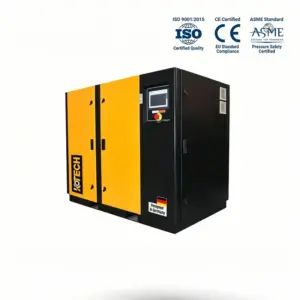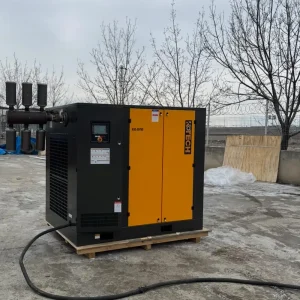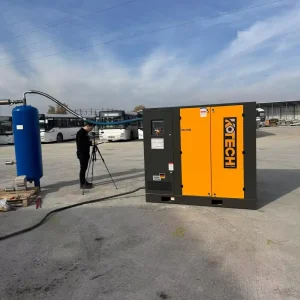
Mastering Desert Heat: The Right Air Compressor for Uninterrupted Mining
- Key Insights:
- Extreme heat mandates specialized designs: Standard compressors cannot withstand continuous desert temperatures without significant performance degradation and premature failure.
- Downtime costs are prohibitive: Investing in heat-resistant systems directly mitigates multi-million dollar daily losses from equipment failure in critical operations.
- Thermal management is non-negotiable: Advanced cooling, robust filtration, and high-grade lubricants are essential, not optional, components.
- Holistic approach is key: Beyond heat, dust ingress, altitude, and water scarcity must inform system selection and maintenance.
- Not a one-size-fits-all solution: Tailored specifications based on site-specific ambient temperatures and operational demands yield the best ROI.
Operating a mine in the desert is a brutal test of endurance for both personnel and machinery. When it comes to air compressors, the backbone of countless mining operations, extreme heat isn’t just an inconvenience—it’s a critical threat to productivity and profitability. The bottom line? Standard industrial air compressors simply aren’t built to survive, let alone thrive, in the relentless 40°C+ (104°F+) environments common in arid mining regions. You need specialized, heat-resistant mining air compressors, designed from the ground up to endure.
Why Standard Compressors Fail in Desert Heat
The issues are predictable: constant overheating, lubricant breakdown, accelerated wear on seals and bearings, and dramatically reduced efficiency. This isn’t just about discomfort; it’s about physics. High ambient temperatures force compressors to work harder to achieve the same output, increasing internal temperatures further and creating a vicious cycle of thermal stress.
The compressed air itself is hotter, which impacts downstream equipment and processes, requiring more energy for cooling. Moreover, the desert isn’t just hot; it’s dusty. Fine particulates infiltrate inadequate filtration systems, causing abrasive wear on internal components. This combination of heat and dust turns a standard compressor into a ticking time bomb of maintenance headaches and operational downtime.
The Economic Imperative: Data-Driven Decisions
Let’s talk numbers because, in mining, every minute of downtime translates directly to lost revenue.
Investing in purpose-built, heat-resistant compressor systems isn’t an expense; it’s a strategic investment in operational continuity. This trend underscores the growing recognition of the need for specialized solutions.
Key Technologies for Heat Resistance
When we talk about heat-resistant mining air compressors, we’re looking at a suite of integrated technologies:
Enhanced Cooling Systems
This is non-negotiable. We’re talking oversized aftercoolers and intercoolers, often with specialized fin designs and materials that maximize heat dissipation. Many desert-grade units incorporate heavy-duty, corrosion-resistant radiators and fans that can move massive volumes of air, even when ambient temperatures soar. Some advanced systems even utilize closed-loop cooling circuits with external heat exchangers, minimizing reliance on ambient air.
Robust Filtration for Dust
Desert dust is insidious. Top-tier heat-resistant compressors feature multi-stage filtration systems, often with cyclonic pre-filters, heavy-duty primary filters, and fine secondary filters. These systems are designed for high efficiency and extended service intervals in extremely dusty conditions, protecting internal components from abrasive wear and extending lubricant life. Regular filter maintenance is absolutely critical here; miss it, and you’re asking for trouble.
High-Temperature Lubricants and Materials
Standard compressor oils degrade rapidly under extreme heat, leading to sludge formation and poor lubrication. Specialized synthetic lubricants are formulated to maintain viscosity and lubricating properties at much higher operating temperatures, extending service intervals and protecting critical components. Similarly, seals, gaskets, and hoses are constructed from materials like Viton or high-grade silicone, which resist thermal degradation.
Rugged Enclosures and Controls
The entire package needs to be built tough. Desert-spec enclosures often feature robust, sealed designs to prevent dust ingress and protect sensitive electronics from heat and sand. Control panels are typically industrial-grade, with wider operating temperature ranges and enhanced ingress protection (IP ratings) to withstand the harsh environment.
Beyond Heat: Dust, Altitude, and Water Scarcity
While heat is the primary concern, other desert factors cannot be ignored. High altitudes, common in some arid mining regions, reduce air density, requiring compressors to work harder to achieve rated flow. This can exacerbate thermal issues. Water scarcity also impacts cooling options; air-cooled systems are often preferred, but if water is available, evaporative or closed-loop water-cooled systems might offer superior thermal management.
A truly effective solution considers the entire environmental profile of your specific mine site.
Implementation Challenges and When Not to Over-Spec
Implementing these specialized systems isn’t without its challenges. Initial capital expenditure for heat-resistant units is typically higher than for standard compressors. Maintenance, while less frequent overall, often requires specialized parts and trained technicians familiar with these robust systems. Logistical challenges in remote desert locations can also complicate spare parts delivery and field service.
However, it’s also important to recognize that not every mine in an arid region requires the absolute highest specification. For temporary exploration sites with shorter operational windows or locations where peak ambient temperatures are consistently below 40°C (104°F) for most of the year, a standard industrial compressor with an enhanced cooling package and upgraded filtration might suffice. Over-specifying can lead to unnecessary costs without proportional benefits. Only when consistent, extreme heat (above 40°C) is the norm do the full benefits of a dedicated heat-resistant system truly materialize over a heavily modified standard unit.
Choosing the Right Heat-Resistant System: Practical Steps
Site-Specific Environmental Assessment
Before making any purchase, conduct a thorough assessment of your site’s environmental conditions. This includes average and peak ambient temperatures, humidity levels, typical dust particle size and concentration, and altitude. This data will directly inform the compressor’s design specifications.
Consult with Specialists
Work with manufacturers and suppliers who have a proven track record in desert mining environments. They can provide insights into specific models, custom configurations, and local service support. Don’t rely solely on brochure specs; ask for case studies from similar climates.
Consider Total Cost of Ownership (TCO)
Look beyond the initial purchase price. Factor in energy consumption, expected maintenance costs, parts availability, and the potential cost of downtime. A higher upfront investment for a specialized unit often translates to significantly lower TCO over its operational lifespan in harsh conditions.
Maintenance and Longevity in Extreme Environments
Even the most robust heat-resistant compressor demands diligent maintenance. Regular air filter cleaning and replacement are paramount to prevent dust ingress. Lubricant analysis should be performed periodically to monitor its condition and ensure timely changes, especially given the heat. Cooling systems, including radiators and heat exchangers, must be kept clean and free of debris to maintain optimal thermal performance. Predictive maintenance strategies, leveraging remote monitoring and sensor data, can further optimize uptime by identifying potential issues before they escalate into costly failures.