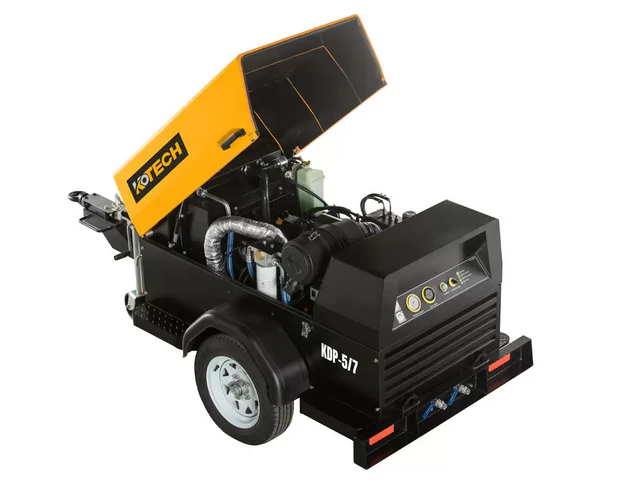
Maximizing Mine Uptime and Efficiency with Advanced Air Compressor Technology
- Reliability is paramount: Unplanned downtime due to compressor failure costs mines millions annually.
- Energy efficiency is a critical cost driver: Compressed air accounts for a substantial portion of a mine’s energy bill.
- Customization is often essential: Standard industrial solutions rarely suffice for extreme mining environments.
- Predictive maintenance delivers ROI: Leveraging data dramatically reduces unexpected failures and extends equipment life.
- Total Cost of Ownership (TCO) trumps upfront CAPEX: Long-term operational costs define true value in mining.
In international mining, the performance of your air compressor system directly impacts everything from drilling speeds to ventilation and safety protocols. A robust, efficient compressed air supply isn’t merely a utility; it’s the heartbeat of continuous operation, dictating productivity and profitability. Our experience across countless sites confirms this: selecting the right solution, backed by proven performance, is critical.
The Unforgiving Realities of Mining Compressed Air
Mining environments are brutal. We’re talking about extreme temperatures, abrasive dust, high altitudes, corrosive atmospheres, and often, incredibly remote locations. These conditions decimate standard industrial compressors, leading to frequent breakdowns and costly downtime. Mine operators face constant pressure to maximize ore extraction while simultaneously reducing operational expenses and adhering to stringent safety and environmental regulations. This balancing act demands air compressor solutions that offer unparalleled reliability, energy efficiency, and ease of maintenance, even in the most challenging scenarios.
The stakes are incredibly high. A single compressor failure can halt an entire production line, impacting payload targets and increasing labor costs for emergency repairs. From powering pneumatic tools and rock drills to supporting critical ventilation and processing plants, uninterrupted compressed air flow is fundamental. It’s a false economy.
Data-Driven Imperatives: Why Performance Matters
This growth signals increased demand for highly efficient, durable equipment, with air compressors being a core component. The push for electrification and automation further emphasizes the need for reliable power sources and smart, integrated systems.
Energy consumption is another major concern. Improving efficiency isn’t just about saving money; it’s about reducing carbon footprints, an increasingly critical factor for investor relations and regulatory compliance. These figures underscore why reliability and efficiency aren’t just buzzwords; they are economic imperatives.
Proven Case Studies: Navigating Diverse Challenges
Real-world applications offer the clearest picture of what works. We’ve compiled insights from various international mining projects, showcasing diverse challenges and the tailored compressed air solutions that delivered tangible results.
Case Study 1: High-Altitude Gold Mine, Andes
Challenge: An open-pit gold mine located at 4,500 meters (14,760 feet) in the Andes faced significant challenges with conventional diesel compressors. The thin air drastically reduced engine efficiency and output, while extreme cold (down to -20°C) caused frequent starting issues and increased maintenance. Remote location meant long lead times for parts and service. Solution: The mine implemented a fleet of electric, variable speed drive (VSD) rotary screw compressors, housed in purpose-built, insulated containers. The VSD technology allowed the compressors to adjust output precisely to demand, compensating for altitude effects and significantly reducing energy consumption. Integrated remote monitoring systems provided real-time performance data, enabling predictive maintenance and reducing the need for on-site checks. The electric units also contributed to a cleaner site environment, aligning with the mine’s sustainability goals.
Case Study 2: Desert Iron Ore Operation, Western Australia
Challenge: An expansive iron ore mine in the Pilbara region contended with intense heat (often exceeding 45°C), fine abrasive dust, and vast distances between operational areas. The existing compressor fleet struggled with overheating, rapid filter clogging, and frequent wear on internal components, leading to high maintenance costs and production interruptions. Solution: Heavy-duty, desert-spec portable air compressors were deployed. These units featured oversized coolers, multi-stage air filtration systems with automatic dust ejectors, and robust chassis designed to withstand constant vibration and impact. Advanced control systems optimized fan speeds to manage heat effectively. For stationary plant requirements, water-cooled fixed-speed compressors with specialized, high-efficiency filtration were installed in climate-controlled enclosures. The enhanced durability meant fewer breakdowns, directly translating to more consistent ore processing and reduced operational expenditure.
Case Study 3: Underground Coal Mine, Europe
Challenge: A deep underground coal mine required a reliable, explosion-proof compressed air supply for drilling, ventilation door actuation, and emergency breathing apparatus charging. Space was extremely limited, and strict safety regulations demanded ATEX-certified equipment with low noise and minimal heat generation. Solution: Compact, skid-mounted, explosion-proof electric reciprocating compressors were chosen for localized air supply points within the mine. These units were specifically engineered to meet ATEX Zone 1 requirements. Centralized, larger rotary screw compressors with advanced air treatment (dryers and filters to achieve specific dew points) supplied the main air grid, with redundant systems ensuring continuous availability. The small footprint and low noise levels were critical for the confined spaces. Outcome: Enhanced safety compliance was achieved, eliminating explosion risks associated with non-certified equipment. Maintenance was streamlined due to modular design and easier access in tight spots.
Beyond the Hype: When Standard Solutions Fall Short
While many robust industrial air compressors perform admirably, it’s crucial to recognize their limitations in specific mining contexts. Standard industrial compressors, for instance, rarely hold up in an ultra-deep underground platinum mine where specific gas contaminants demand specialized filtration and explosion-proof ratings; this is where bespoke engineering becomes non-negotiable. Similarly, a portable diesel compressor designed for construction might struggle with the continuous, high-volume demand of a large-scale open-pit operation, leading to premature wear and excessive fuel burn. The key takeaway here is that “off-the-shelf” is often “off-target” for unique or extreme mining applications. Only when a thorough site assessment and operational analysis are conducted can the true requirements be identified, preventing costly missteps.
Actionable Insights for Your Next Project
Based on these proven case studies and years in the field, here are some actionable recommendations for optimizing your mining compressed air systems:
- Conduct a Comprehensive Site Assessment: Before any procurement, thoroughly evaluate environmental conditions (altitude, temperature, dust, humidity), power availability (electric vs. diesel), and specific air quality requirements (dew point, filtration).
- Prioritize Total Cost of Ownership (TCO): Look beyond the initial purchase price. Factor in energy consumption, maintenance costs, parts availability, expected lifespan, and potential downtime losses. A higher upfront investment in an energy-efficient, robust system often yields significant long-term savings.
- Embrace Digitalization and Remote Monitoring: Implement systems with IoT capabilities for real-time data collection. This enables predictive maintenance, allowing you to address potential issues before they cause costly failures. Remote monitoring also optimizes operational settings and energy usage.
- Invest in Specialized Air Treatment: Depending on your application (e.g., instrument air, breathing air, process air), ensure you have the appropriate dryers, filters, and separators to achieve the required air quality. Contaminated air can damage tools, compromise processes, and pose safety risks.
- Partner with Experienced Suppliers: Work with manufacturers and distributors who have a proven track record in the mining sector. They understand the unique challenges and can provide tailored solutions, engineering support, and reliable after-sales service, including parts supply in remote locations.
- Consider VSD Technology: For operations with fluctuating air demand, Variable Speed Drive (VSD) compressors can offer substantial energy savings by matching motor speed precisely to the required output.
The landscape of international mining is constantly evolving, with increasing pressure on efficiency and sustainability. By learning from these proven case studies and applying a data-driven, TCO-focused approach, mine operators can ensure their compressed air systems are not just functional, but truly optimized for peak performance and profitability.