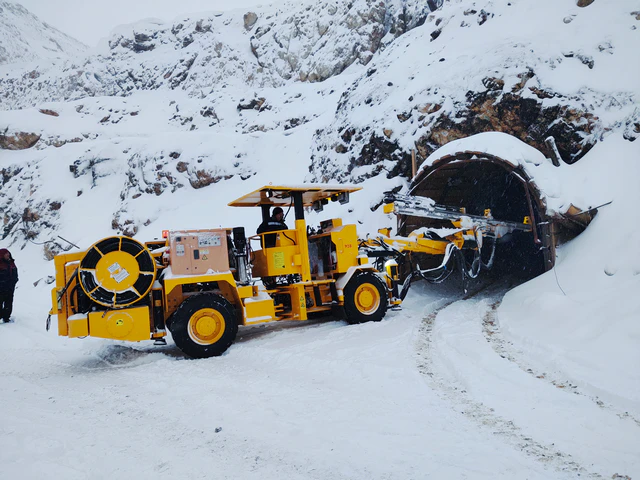
Unlocking Peak Performance: Advanced Strategies for Mining Compressor Productivity
For any mining operation, reliable compressed air isn’t just a utility; it’s the lifeblood powering critical equipment, ventilation, and safety systems. Yet, all too often, air compressors become a major headache, draining budgets through excessive energy consumption, unexpected breakdowns, and inefficient operation. The core issue, frankly, isn’t just about having a compressor; it’s about maximizing its output while minimizing its total cost of ownership. That’s where we need to shift our focus.
The Imperative for Enhanced Compressor Performance
The global mining industry faces increasing pressure on margins, environmental regulations, and the demand for higher output. In this landscape, every operational cost center comes under scrutiny. Compressors, often overlooked until they fail, represent a significant opportunity for improvement. Unplanned downtime due to compressor failure can halt production, leading to substantial financial losses.
For energy-intensive mining, these percentages translate into colossal expenditures.
These figures aren’t just statistics; they represent tangible pain points for mine managers: budget overruns, missed production targets, and constant firefighting. The good news is that modern technology and strategic operational shifts offer clear pathways to mitigate these challenges.
Leveraging Digitalization for Predictive Excellence
For mining compressors, this means moving beyond scheduled maintenance to a truly predictive model.
IoT-Enabled Monitoring and Analytics
Deploying sensors on critical compressor components – motors, air ends, filters, and dryers – allows for continuous data collection on parameters like pressure, temperature, vibration, current draw, and airflow. This real-time data feeds into advanced analytics platforms. These platforms, often powered by artificial intelligence and machine learning algorithms, can identify subtle anomalies that indicate impending failure long before a human operator could. For instance, a gradual increase in motor winding temperature or a slight deviation in vibration patterns might signal a bearing issue weeks in advance.
This capability transforms maintenance from a reactive scramble into a planned, orderly process. Maintenance teams can order parts, schedule downtime during non-peak hours, and avoid catastrophic failures.
Remote Management and SCADA Integration
Modern compressor systems can be integrated into Supervisory Control and Data Acquisition (SCADA) systems, allowing for remote monitoring and control from a central control room. This is particularly valuable in vast mining complexes where compressors might be spread across multiple remote locations. Operators can adjust settings, diagnose issues, and even initiate shutdowns without needing to physically visit each unit, enhancing safety and operational agility.
Driving Down Costs Through Energy Efficiency
Energy consumption remains the single largest operating cost for compressed air systems. Tackling this directly offers immediate and substantial returns.
Variable Speed Drive (VSD) Compressors
Traditional fixed-speed compressors operate at full capacity regardless of demand, leading to significant energy waste when demand fluctuates. VSD compressors, by contrast, adjust their motor speed to match the exact air demand. This means they only consume the energy necessary to produce the required airflow, resulting in substantial energy savings.
System-Wide Air Audits and Leak Detection
Leaks in compressed air systems are notorious energy thieves. A single 1/8-inch leak can cost hundreds to thousands of dollars annually in wasted energy. Regular air audits, using ultrasonic leak detectors, are critical. Identifying and fixing leaks, optimizing pipe sizing, and ensuring proper pressure settings can collectively yield massive savings.
Optimizing Maintenance for Uninterrupted Operation
Beyond predictive technology, fundamental maintenance practices are crucial. A robust maintenance strategy is not a luxury; it’s an operational necessity.
Condition-Based Monitoring (CBM)
CBM involves monitoring the condition of equipment in real-time to determine when maintenance should be performed, rather than relying on a fixed schedule. This includes oil analysis, vibration analysis, and thermal imaging. For example, analyzing compressor oil for metallic particles or increased viscosity can indicate wear and tear on internal components before a catastrophic failure occurs. This extends component life and prevents unnecessary maintenance interventions.
Structured Preventative Maintenance Programs
While predictive is ideal, a solid preventative maintenance (PM) program remains foundational. This includes regular filter changes (air, oil, separator), oil changes, belt tension checks, and cooler cleaning. The harsh, dusty environment of a mine means filters clog faster, and components wear quicker. Skipping PMs in a mining context is a recipe for disaster. Frankly, it’s a non-negotiable part of extending equipment life and maintaining efficiency.
Ensuring Air Quality and Downstream Protection
The quality of compressed air directly impacts the longevity and performance of downstream pneumatic tools and processes. Neglecting air quality can lead to costly repairs and operational disruptions.
Proper Filtration and Drying
Mining environments are inherently dirty. Ingress of dust, moisture, and oil aerosols into the compressed air system can damage sensitive pneumatic equipment, corrode piping, and contaminate processes. Investing in multi-stage filtration (particulate, coalescing) and appropriate dryers (refrigerated, desiccant) is not an expense; it’s an insurance policy. Maintaining a consistent pressure dew point is vital, especially in colder climates where moisture can freeze and damage lines.
Regular Condensate Management
Compressing air generates condensate, a mixture of water and oil. This needs to be efficiently and environmentally safely removed from the system. Automatic drain traps, properly maintained, prevent condensate buildup that can lead to rust and carryover into the air lines.
Boundary Conditions and Considerations
While these strategies offer significant benefits, it’s crucial to acknowledge that a “one-size-fits-all” approach rarely works. For very small, intermittent operations, the upfront cost of advanced IIoT systems or high-end VSD compressors might not yield an immediate ROI comparable to larger, continuous operations. In such cases, focusing on fundamental PM, leak detection, and ensuring correctly sized equipment for the actual demand might be the more pragmatic first step. Similarly, implementing complex predictive maintenance without adequately trained local technicians or reliable internet infrastructure in extremely remote mines can be an exercise in futility. Only when the foundational elements are in place can advanced tech truly shine.
Ultimately, improving mining compressor productivity isn’t about buying the newest gadget; it’s about a holistic strategy that integrates technology, smart maintenance, and a deep understanding of operational demands. The payoff is substantial: reduced costs, increased uptime, and a more resilient mining operation.