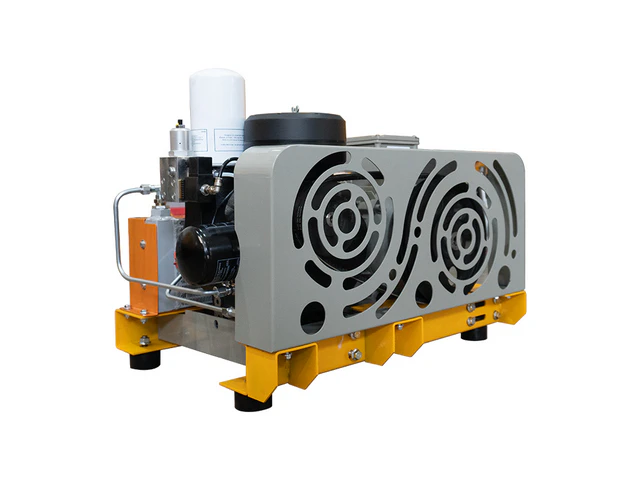
Unlocking Performance: Air Compressor Strategies for Oil & Gas
Industrial Air Compressor Solutions for Offshore & Onshore Oilfields
In the oil and gas industry, whether you’re miles offshore or deep in a remote onshore basin, reliable compressed air isn’t just a utility—it’s the lifeblood of operations. Without it, drilling halts, production slows, and safety systems can fail. Getting this right is paramount.
The Critical Role of Compressed Air in Oil & Gas
From powering pneumatic tools on a drilling rig to providing instrument air for sensitive control systems, or even supplying air for emergency breathing apparatus, these compressors are indispensable. The stakes are incredibly high; a compressor failure can trigger a cascade of operational issues, leading to significant financial losses and, critically, safety hazards.
Consider the environment: extreme temperatures, corrosive saltwater spray offshore, or abrasive dust onshore. These conditions are brutal on equipment, making standard industrial compressors woefully inadequate. What’s needed are systems engineered specifically for resilience, longevity, and unwavering performance under duress.
Data-Backed Imperatives: Why Specialized Solutions Matter
The global oil and gas market continues its volatile dance, but investment in infrastructure resilience remains a constant. Rystad Energy’s 2023 outlook highlighted a projected increase in offshore capital expenditure, signaling a continued demand for robust, specialized equipment. This isn’t just about new builds; it’s about upgrading and maintaining existing assets to maximize output and minimize risk.
Unplanned downtime is a silent killer of profitability. The upfront cost of a purpose-built, hazardous-area certified compressor pales in comparison to the potential losses from a single day of halted operations.
Furthermore, the drive for operational efficiency isn’t just about cost; it’s also about environmental responsibility. Compressed air systems are notorious energy consumers. For oil & gas facilities, optimizing compressor efficiency—through VSD technology, intelligent controls, and proper sizing—directly translates into reduced carbon footprint and substantial energy savings over the equipment’s lifecycle.
Engineering for Extremes: Offshore vs. Onshore Challenges
While both offshore and onshore oilfields demand robust air compressor solutions, their specific environmental and operational challenges dictate distinct design considerations.
Offshore Oilfields: The Ultimate Test of Durability
Offshore environments are arguably the most demanding. Space is at a premium, corrosion from saltwater and humidity is relentless, and the risk of explosion is ever-present. Here, air compressors must be:
- Compact & Lightweight: Minimizing footprint and weight is crucial on platforms and FPSOs (Floating Production Storage and Offloading vessels) where every square foot and kilogram counts.
- Corrosion-Resistant: Marine-grade materials, specialized coatings, and stainless steel components are standard to combat saltwater spray and high humidity.
- Explosion-Proof (ATEX/IECEx Certified): Operating in Zone 1 or Zone 2 hazardous areas, compressors must meet stringent international standards for preventing ignition of flammable gases. This means spark-proof components, intrinsically safe wiring, and often purged or pressurized enclosures.
- Redundant: Critical applications often require N+1 or even N+2 redundancy to ensure continuous operation, as swift repairs or replacements are challenging.
- Vibration-Dampened: To protect sensitive onboard equipment and structural integrity.
Honestly, we learned this the hard way on a North Sea rig years ago. A seemingly minor issue with a non-marine-grade component led to a system-wide shutdown. It was a costly lesson in not cutting corners on specifications for offshore use cases.
Onshore Oilfields: Scale, Mobility, and Remote Resilience
Onshore oilfields, while free from saltwater corrosion, present their own set of hurdles:
- Extreme Temperatures: From scorching deserts to freezing tundras, compressors must perform reliably across vast temperature swings.
- Dust & Abrasives: Sandstorms and dusty drilling sites necessitate heavy-duty filtration systems to protect internal components.
- Mobility: For exploration, well servicing, and temporary operations, skid-mounted or trailer-mounted portable air compressor solutions are essential, designed for rough terrain transport.
- Remote Operation & Maintenance: Many onshore sites are hundreds of miles from the nearest service center. Equipment must be designed for extended service intervals and often incorporate advanced remote monitoring capabilities.
- Higher Capacity Demands: Larger processing plants or extensive pipeline networks might require higher flow rates and pressures than typical offshore applications.
Choosing the Right Solution: Key Considerations
Selecting the optimal industrial air compressor involves a nuanced understanding of operational needs, environmental conditions, and regulatory frameworks.
Technology & Type
- Rotary Screw Compressors: Highly efficient, continuous duty, and available in both oil-lubricated and oil-free variants. Ideal for most general utility air and instrument air applications.
- Reciprocating (Piston) Compressors: Robust for high-pressure applications (e.g., nitrogen generation, some drilling tasks) or intermittent use.
- Centrifugal Compressors: Best for very high volume, oil-free air requirements in large processing facilities.
- Variable Speed Drive (VSD) Technology: Crucial for energy efficiency, matching compressor output to demand fluctuations, common in both offshore and onshore settings.
Compliance & Standards
This isn’t optional; it’s the law. For hazardous areas, look for:
- ATEX Certification (Europe): For equipment operating in potentially explosive atmospheres.
- IECEx Certification (International): Global standard for equipment in hazardous locations.
- API Standards (e.g., API 619 for Rotary-Type Positive Displacement Compressors): Ensures design and manufacturing quality specific to the petroleum, petrochemical, and natural gas industries.
- Local Regulations: Always check specific national and regional safety and environmental compliance mandates.
Maintenance & Serviceability
Downtime is costly. Prioritize compressors designed for:
- Extended Service Intervals: Reducing the frequency of maintenance trips, especially for remote sites.
- Ease of Access: Components should be readily accessible for routine checks and repairs.
The Boundary Condition: When Standard Solutions Just Won’t Cut It
It’s important to recognize that not every “industrial” compressor fits the bill. A standard compressor from a general manufacturing plant, even a high-quality one, is simply not engineered for the relentless demands of an H2S (hydrogen sulfide) rich environment, for example. The materials, seals, and electrical components would quickly degrade or pose an explosion risk. Similarly, an offshore platform with limited deck space and strict weight limits cannot accommodate a bulky, land-based unit designed for a factory floor. These are critical boundary conditions where specialized, purpose-built solutions are the only viable and safe options. Trying to adapt a non-compliant or unsuitable unit is a recipe for disaster, both financially and in terms of safety.
Emerging Trends in Oil & Gas Air Compression
The industry isn’t static. We’re seeing exciting developments:
- Digitalization & IIoT: Advanced sensors, AI-driven analytics, and cloud connectivity are transforming compressor monitoring. This allows operators to track performance, predict failures, and optimize energy consumption from a central control room, regardless of the physical location of the compressor.
- Modular & Skid-Mounted Solutions: For quicker deployment and easier relocation, particularly for onshore exploration or temporary production sites. These “plug-and-play” units reduce installation time and complexity.
- Renewable Energy Integration: As the oil & gas sector explores decarbonization, there’s growing interest in powering ancillary equipment, including compressors, with renewable sources like solar or wind, especially for remote, off-grid locations.
- Enhanced Materials & Coatings: Continued innovation in metallurgy and protective coatings to extend equipment life in increasingly harsh and corrosive environments.
Ignoring them means falling behind.
Practical Steps for Implementation
When you’re ready to procure or upgrade your air compressor solutions for an oilfield application, here’s a practical roadmap:
- Conduct a Thorough Needs Assessment: Define required pressure, flow rate, duty cycle, air quality (oil-free vs. oil-lubricated), and critical applications.
- Evaluate Environmental Factors: Detail ambient temperatures, humidity, dust levels, corrosive elements, and hazardous area classifications (Zone 1, Zone 2).
- Prioritize Safety & Compliance: Ensure all prospective systems meet ATEX/IECEx, API, and local regulatory requirements. Request full certification documentation.
- Assess Total Cost of Ownership (TCO): Look beyond the purchase price. Factor in energy consumption, maintenance costs, spare parts availability, and potential downtime costs over the equipment’s lifespan.
- Consider Service & Support: Choose a vendor with a proven track record in the oil & gas sector, offering robust after-sales support, spare parts availability, and specialized field technicians.
- Integrate Monitoring & Control: Opt for systems that can integrate with existing facility SCADA or offer advanced remote monitoring capabilities.
Getting these industrial air compressor solutions right for offshore and onshore oilfields isn’t just about moving air; it’s about safeguarding operations, protecting personnel, and ensuring the bottom line. It demands a holistic approach, deep industry knowledge, and a commitment to quality that withstands the toughest conditions on earth.