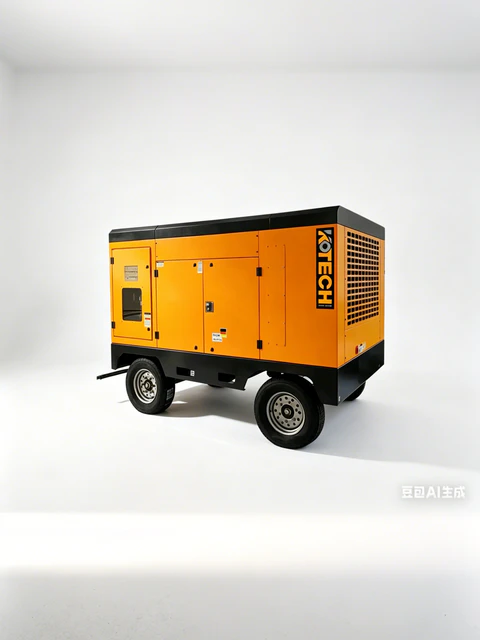
Mastering Global Mining Compressor Performance
When you’re talking about cross-continental mining compressor projects, you’re not just moving equipment; you’re orchestrating a symphony of logistics, climate adaptation, and relentless performance demands. Frankly, this isn’t for the faint of heart. The core challenge? Sustaining peak operational efficiency and managing the total cost of ownership (TCO) across wildly disparate environments, often thousands of miles from your central support hub.
Our industry has seen a massive shift. What worked in the North American coal fields won’t fly in a high-altitude Chilean copper mine or an Australian iron ore pit, not without significant adaptation. The goal is always the same: reliable, efficient compressed air. But the path to get there globally is paved with unique obstacles that demand data-driven decisions and robust project execution.
The Imperative for Data-Driven Decisions in Global Deployments
For any cross-continental mining operation, the stakes are incredibly high. Downtime isn’t just an inconvenience; it can mean millions in lost production. This is where performance data becomes your most valuable asset. We’re moving beyond just checking run hours; we’re analyzing pressure trends, temperature differentials, power consumption, and fault codes in real-time.
Why Traditional Approaches Fall Short
The old “set it and forget it” mentality simply doesn’t work when you’re managing assets in the Atacama Desert and the Canadian Shield simultaneously. Each location presents its own set of environmental stressors and operational demands. A compressor optimized for sea level will struggle significantly at 4,000 meters, requiring different motor sizing, cooling systems, and control logic.
Operational Data & Performance Metrics: What Matters Most
Understanding what data to collect and how to interpret it is paramount. Our focus should be on metrics that directly impact uptime, efficiency, and TCO.
Key Performance Indicators (KPIs) for Global Compressor Fleets
- Specific Energy Consumption (SEC): This is your bedrock. Measured in kWh/m³ or kWh/100 cfm, SEC tells you precisely how much energy is required to produce a unit of compressed air. Across a global fleet, comparing SEC between similar units operating under different conditions provides invaluable insights.
- Uptime Percentage: Simple, yet critical. This measures the percentage of time a compressor is available and operational. Consistently high uptime across diverse sites is the hallmark of a well-managed project.
- Mean Time Between Failures (MTBF) & Mean Time To Repair (MTTR): These metrics highlight equipment reliability and the effectiveness of your maintenance and support infrastructure. Low MTBF or high MTTR on a continent indicates a systemic issue, whether it’s parts availability, technician skill, or environmental factors.
- Maintenance Cost per Operating Hour: This goes beyond parts. It includes labor, logistics for spares, and even the cost of specialized tools. Tracking this globally helps identify regions with higher operational costs and informs procurement strategies.
Industry Trends & Verifiable Data Points
The mining sector is embracing digital transformation at an unprecedented pace, driven by the need for efficiency and sustainability.
The Rise of Remote Monitoring & Predictive Maintenance
For a cross-continental project, this means a single team can oversee hundreds of units, flagging potential issues before they cause costly breakdowns. This capability fundamentally changes how we approach maintenance and resource allocation.
Energy Efficiency as a Strategic Imperative
Energy costs represent a significant portion of mining operational expenses. Modern VSD (Variable Speed Drive) compressors, advanced control systems, and heat recovery technologies are no longer luxuries but necessities for competitive global mining operations.
Sustainability and ESG Reporting
Mining companies face increasing pressure to demonstrate environmental stewardship. The global mining industry’s capital expenditure on environmental protection and social programs is projected to grow significantly (PwC 2023 Mining Report). Optimizing compressor efficiency directly contributes to reduced carbon footprints and improves ESG (Environmental, Social, and Governance) scores, which are increasingly critical for investor confidence and regulatory compliance.
Reasoning: Why a Unified Data Strategy is Crucial
You can’t identify best practices, spot underperforming assets, or justify capital expenditure on upgrades if you don’t have a clear, comparative view.
Identifying Underperformers and Best Practices
Imagine you have similar compressor models operating in a Chilean copper mine and an Indonesian nickel mine. If the Indonesian unit consistently shows higher SEC, a unified data strategy allows you to investigate. Is it ambient temperature? Altitude? Maintenance schedule? Local power quality? This comparative analysis helps you pinpoint the root cause and apply lessons learned across your entire fleet.
Counter-Example: When “One Size Fits All” Fails
While standardization offers logistical benefits, relying on a single compressor specification for every global site is a recipe for disaster. The initial cost savings were quickly dwarfed by maintenance and replacement expenses. This “solution” is simply not applicable when environmental parameters vary wildly. Only when environmental conditions are remarkably consistent across sites could you consider a truly standardized approach without significant risk.
Practical Steps for Optimizing Cross-Continental Projects
Implementing a robust strategy requires deliberate action and a commitment to continuous improvement.
1. Conduct Thorough Site-Specific Assessments
Before any equipment leaves the factory, perform a detailed assessment of each mine site’s unique environmental conditions (temperature, humidity, altitude, dust, water quality), power infrastructure, and operational demands. This informs critical design choices for cooling, filtration, motor sizing, and controls.
2. Standardize but Customize
Aim for standardization of core components and control platforms where possible, but allow for customization of ancillaries (e.g., specialized filters for dusty environments, enhanced cooling packages for hot climates, high-altitude rated motors). This balances maintainability with optimal performance.
3. Implement Advanced Remote Monitoring & Control
Deploy Industrial IoT (IIoT) sensors and cloud-based platforms on every compressor. This enables real-time data collection, remote diagnostics, and even remote control adjustments. Ensure robust, secure connectivity, which often means leveraging satellite or cellular solutions in remote mining locations.
4. Develop a Predictive Maintenance Program
Move beyond reactive or time-based maintenance. Use the collected data to predict potential failures, scheduling maintenance proactively during planned shutdowns rather than reacting to emergencies. This significantly reduces unplanned downtime and optimizes spare parts inventory.
5. Prioritize Energy Recovery & Efficiency Technologies
Invest in VSD compressors, heat recovery systems, and smart controls that optimize air production to demand. Even minor efficiency gains, multiplied across a global fleet, translate into substantial operational savings.
6. Foster Strong Local Partnerships
For installation, commissioning, and ongoing service, reliable local partners are invaluable. They understand local regulations, logistics, and can provide rapid response. Invest in their training to ensure they meet your operational standards.
Conclusion: The Path to Global Compressor Excellence
Managing cross-continental mining compressor projects demands a holistic, data-driven strategy. By embracing site-specific customization, leveraging advanced digital tools, prioritizing energy efficiency, and building strong local support networks, mining companies can unlock unparalleled performance and achieve significant cost reductions across their global operations. The future of mining compressed air is intelligent, efficient, and deeply integrated.