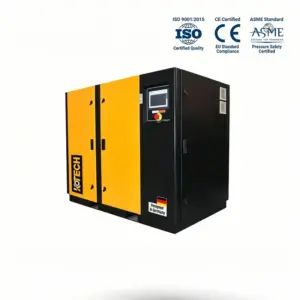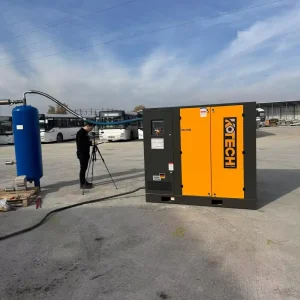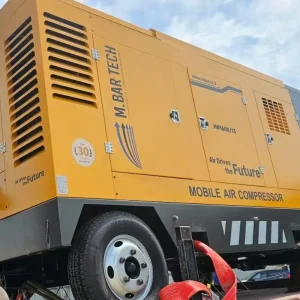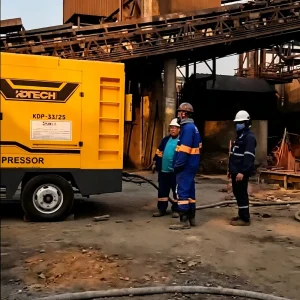
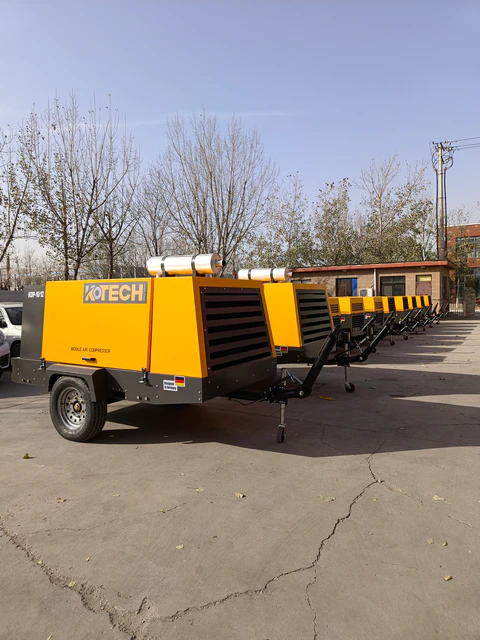
Your Guide to High-Performance Mining Air Compressors for Drilling & Blasting
When it comes to drilling and blasting in mining, your air compressor isn’t just a supporting player; it’s often the unsung hero, or frankly, the primary bottleneck. Get it wrong, and you’re looking at stalled operations, blown budgets, and missed targets. Get it right, and you unlock significant productivity gains and cost savings.
The Unseen Bottleneck: Why Your Drilling & Blasting Needs a Compressor Overhaul
The truth is, many mining operations are still running on air compressor strategies that are a decade behind. They’re losing money daily to inefficient power delivery, constant breakdowns, and a fundamental misunderstanding of what modern drilling and blasting tasks truly demand. We’re talking about high-pressure DTH (Down-The-Hole) hammers, top hammer drills, and various pneumatic tools that are all starved of optimal air, leading to slower penetration rates, increased bit wear, and ultimately, less rock moved per shift. It’s a direct hit to your bottom line.
Market Realities & Operational Costs: The Numbers Don’t Lie
The pressures on mining operations today are immense, and efficiency in every facet is non-negotiable. This extends directly to your compressed air systems. Fuel-guzzling, aging compressors are simply not sustainable.
Beyond energy, downtime is a silent killer. When your air compressor goes down, your drills stop, your blasting crew waits, and the entire production chain grinds to a halt.
The good news? The market is responding.
Beyond Horsepower: Decoding Optimal Compressor Selection
Choosing the right compressed air system for your drilling and blasting operations is far more nuanced than simply picking the biggest unit. It’s about matching the compressor’s output (both CFM – cubic feet per minute – and PSI – pounds per square inch) precisely to the demands of your rock drills and blasting equipment.
For deep-hole DTH drilling, for instance, you’ll need high pressure, typically 350-500 PSI, to effectively drive the hammer and clear cuttings. For certain top-hammer applications or utility air, lower pressures around 100-150 PSI might suffice, but the CFM demand will still be substantial.
Key Considerations for Compressor Selection:
- Flow (CFM) & Pressure (PSI): Always consult your drill manufacturer’s specifications. Don’t guess. Under-sizing means poor penetration; over-sizing means wasted fuel.
- Portability & Mobility: For open-pit mines, skid-mounted or trailer-mounted portable air compressors are essential for following the drill pattern. Underground operations might prefer electric, stationary, or track-mounted units.
- Durability & Ruggedness: Mine environments are brutal. Dust, extreme temperatures, vibrations, and rough terrain demand heavy-duty construction, robust filtration, and corrosion resistance.
- Serviceability & Support: Remote mine sites need equipment that’s easy to maintain in the field. Accessibility to common wear parts, strong dealer support networks, and readily available technical assistance are crucial.
When “Good Enough” Just Isn’t: The Pitfalls of Under-spec’d Systems
An under-spec’d compressor, especially in high-altitude or extreme temperature environments, will struggle to deliver consistent pressure and flow. Air density drops at higher altitudes, meaning a compressor rated for sea level will produce less actual air. If you’re drilling at 10,000 feet, you need to factor in that derating.
Similarly, in extreme cold, standard lubricants and seals might fail, and the engine will work harder, consuming more fuel. Conversely, in scorching heat, engines can overheat, and air intake temperatures rise, further reducing efficiency. This isn’t just about comfort; it impacts the very physics of compressed air delivery. Frankly, if your site conditions are anything but ideal, a “one-size-fits-all” solution simply won’t cut it. It’s a false economy, leading to higher bit costs, slower drilling, and increased maintenance.
Implementing a Future-Proof Compressor Strategy
Moving forward, a strategic approach to your mine’s compressed air infrastructure is vital.
1. Conduct a Comprehensive Site Assessment:
Understand your specific drilling and blasting needs, environmental conditions (altitude, temperature, dust), and existing power infrastructure. This should involve detailed discussions with your drilling contractors and blasting engineers.
2. Prioritize Total Cost of Ownership (TCO):
Look beyond the sticker price. Factor in fuel consumption, maintenance costs, expected lifespan, and potential downtime costs. A more expensive, but highly fuel-efficient and reliable compressor will almost always deliver a lower TCO over its operational life.
3. Embrace Advanced Technologies:
- VSD Compressors: For fluctuating air demand, VSD units are indispensable for energy savings.
- Remote Monitoring & Telematics: These systems allow you to track performance, fuel consumption, and potential issues in real-time, enabling proactive maintenance and reducing unexpected breakdowns, which is particularly valuable for remote mine sites.
- Electric Compressors: Where grid power or sufficient genset capacity is available, electric units offer significant environmental benefits and lower running costs compared to diesel.
4. Establish Robust Maintenance Protocols:
Regular preventative maintenance is non-negotiable. This includes daily checks, scheduled oil and filter changes, and regular performance evaluations. Consider service agreements with your supplier to ensure expert care and genuine parts.
5. Forge Strong Supplier Partnerships:
Work with reputable manufacturers and dealers who understand the mining industry. Their expertise in equipment selection, installation, training, and ongoing support is invaluable. A good partner will help you optimize your mining air compressor solutions for drilling and blasting tasks, not just sell you a machine.