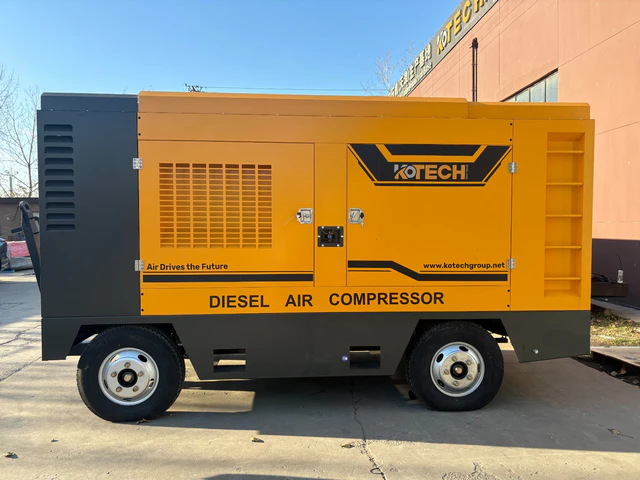
Unlocking Profitability: The Power of Energy-Efficient Compressed Air in Mining
Mining operations are inherently energy-intensive, and the cost of powering compressed air systems often represents a significant chunk of the operational budget. Frankly, ignoring the inefficiencies here is like leaving money on the table, year after year. The good news is, modern energy-efficient mining compressor solutions offer a clear, actionable path to substantial cost savings and improved operational resilience.
The Undeniable Cost of Inefficient Compressed Air in Mining
In the mining sector, compressed air is the fourth utility, powering everything from rock drills and pneumatic tools to ventilation systems and mineral processing. However, traditional fixed-speed compressors frequently run at full capacity even when demand fluctuates, leading to immense energy waste. This inefficiency directly inflates operational expenditure (OpEx), eroding profit margins and hindering competitive advantage.
The data doesn’t lie: inefficiency is expensive, and it’s a drag on the bottom line that modern technology can mitigate.
Smart Technologies Driving Real Savings: VSD and Beyond
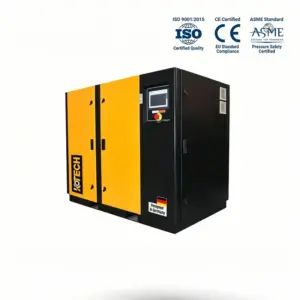
The primary driver of energy efficiency in modern compressed air systems is Variable Speed Drive (VSD) technology. Unlike fixed-speed units that operate at a constant speed regardless of demand, VSD compressors adjust their motor speed to precisely match the required air output. This eliminates the costly idle running and blow-off losses common in traditional systems.
Beyond VSD, technologies like VSD+ (next-generation VSD with even greater efficiency), permanent magnet motors, and advanced control systems further push the boundaries of energy optimization.
These aren’t just theoretical gains; they’re measurable, verifiable savings that directly impact your balance sheet. Investing in these high-efficiency compressors means less power draw, cooler operation, and often, a smaller physical footprint.
The Role of Smart Controls and IoT
Modern compressor solutions integrate smart controls and Internet of Things (IoT) capabilities. These systems provide real-time data on pressure, flow, temperature, and energy consumption. This allows for predictive maintenance, flagging potential issues before they cause costly downtime, and enabling proactive adjustments to optimize performance. Digitalization in mining isn’t just about autonomous vehicles; it’s also about smarter utility management.
Implementing a Proactive Strategy: More Than Just Buying a New Compressor
While upgrading to an energy-efficient compressor is a critical step, it’s part of a larger, holistic strategy for maximizing cost savings. A comprehensive approach involves several key components:
-
Professional Air Audits: Before any major investment, conduct a thorough compressed air audit. This involves analyzing current demand, identifying leaks, assessing pressure drops, and evaluating the overall system efficiency. An audit provides a baseline and pinpoints areas for immediate improvement, often revealing significant low-hanging fruit for savings.
-
Leak Detection and Repair: As mentioned, leaks are a massive energy drain. Regular ultrasonic leak detection and prompt repairs can reclaim significant amounts of wasted energy. This is a continuous process, not a one-time fix.
-
Heat Recovery Systems: Compressors generate a substantial amount of heat. In mining operations, this heat can be captured and repurposed for space heating, water heating, or even pre-heating process air, further reducing energy costs. This is a smart way to get a second use out of otherwise wasted energy.
-
Regular, Proactive Maintenance: Beyond just fixing breakdowns, a robust preventative and predictive maintenance schedule ensures your energy-efficient compressors continue to perform at peak efficiency. This includes filter changes, oil analysis, and checking for wear and tear on critical components.
Navigating Challenges: When High-Efficiency Isn’t a Silver Bullet
While energy-efficient compressors offer compelling advantages, it’s important to acknowledge their limitations. VSD compressors, for instance, excel in applications with fluctuating air demand. However, for operations requiring constant, high-volume air at a very specific pressure profile, a properly sized fixed-speed unit might still be more cost-effective in specific niches, particularly if capital expenditure is severely constrained and the load profile is genuinely unchanging. This is where the air audit becomes non-negotiable – it ensures you’re not over-investing in technology that doesn’t match your actual operational needs.
Another point: the initial capital expenditure (CapEx) for VSD and smart compressor systems is generally higher than for traditional fixed-speed models. This can be a hurdle for some operations. However, the rapid return on investment (ROI) through OpEx savings typically outweighs this initial cost within 18-36 months, making it a sound long-term financial decision.
The Long-Term Dividend: ROI and Sustainability Beyond the Bottom Line
The benefits of energy-efficient mining compressor solutions extend far beyond immediate cost savings. They contribute significantly to a mining company’s sustainability goals by reducing its carbon footprint and aligning with increasingly stringent environmental regulations. This improved environmental performance can enhance brand reputation, attract socially responsible investors, and even open doors to new markets.
Moreover, optimized compressed air systems lead to greater operational reliability and reduced downtime, which translates directly into higher productivity and safer working conditions. In a competitive industry like mining, these factors are critical for long-term viability and growth. It’s not just about saving money; it’s about building a more resilient, responsible, and profitable operation.