When it comes to mining operations, air compressors are often the unsung workhorses, powering everything from rock drills and ventilation systems to material handling. For years, they’ve been a necessary evil, burning through energy and demanding constant upkeep in brutal conditions. But things are changing fast. The latest tech and innovations aren’t just incremental improvements; they’re fundamentally reshaping how we approach compressed air in mining, directly addressing long-standing pain points.
Key Insights:
- IoT and Predictive Maintenance are Essential: Remote monitoring and AI-driven analytics are moving beyond buzzwords, delivering tangible reductions in downtime and maintenance costs.
- Electrification is Driving Design: Battery-electric compressors are emerging as a viable, cleaner alternative, especially for underground operations, mitigating ventilation and emission challenges.
- Robustness Meets Intelligence: Modern compressors combine extreme durability with smart controls, allowing for optimal performance in the harshest environments.
- Total Cost of Ownership (TCO) is the New Metric: Operators are shifting focus from upfront purchase price to long-term operational costs, where new technologies truly shine.
The Energy Efficiency Imperative: Why Every Watt Counts
The biggest headache for any mining operation, frankly, is energy cost. Air compressors traditionally guzzle electricity, accounting for a substantial chunk of a mine’s power bill. This isn’t just a minor expense; it’s a major operational drain. The good news? Innovations in energy efficiency are delivering real, measurable relief.
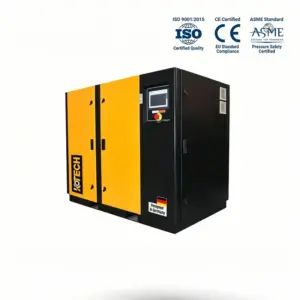
Unlike older fixed-speed models that run at full throttle regardless of demand, VSD units adjust their motor speed to match the exact air requirement. This means no wasted energy during periods of lower demand. Pair that with permanent magnet (PM) motors, which are inherently more efficient than traditional induction motors, and you’re looking at significant savings.
Waste Heat Recovery Systems
Another often-overlooked area is waste heat. Compressors generate a lot of it. Modern systems are increasingly integrating waste heat recovery units that capture this heat and repurpose it for other mine processes, such as heating water for wash plants or even space heating in maintenance facilities. It’s a double win: lower energy bills for the compressor and reduced demand on other heating sources. This kind of integrated thinking is what separates leading operations from the rest.
Smart Operations: IoT, AI, and Predictive Maintenance
The digital revolution has finally caught up to industrial air compressors. We’re seeing a rapid adoption of IoT (Internet of Things) and AI-driven solutions that transform reactive maintenance into proactive, predictive strategies. This isn’t just about fancy dashboards; it’s about maximizing uptime and extending equipment life in environments where downtime is incredibly costly.
Real-time Monitoring and Diagnostics
Today’s mining air compressors come equipped with an array of sensors that monitor everything: pressure, temperature, vibration, power consumption, and air quality. This data is streamed in real-time to a central control system, often accessible remotely via cloud platforms. Operators can see exactly how their units are performing, identify potential issues before they escalate, and make informed adjustments.
AI-Powered Predictive Maintenance
This is where the real intelligence kicks in. AI algorithms analyze the vast amounts of sensor data, looking for subtle patterns and anomalies that indicate impending component failure. Instead of relying on rigid, time-based maintenance schedules, mines can now service equipment only when it’s truly needed. For a mining operation, that translates directly to higher productivity and significant cost savings.
The Electrification Wave: Cleaner Air, Safer Mines
The push for decarbonization and improved worker safety is profoundly impacting compressor design, especially for underground mining. Diesel-powered equipment, while robust, introduces exhaust fumes, noise, and heat, requiring extensive ventilation systems.
Battery-Electric Compressors
The advent of powerful, long-lasting battery technology is paving the way for fully electric mining air compressors. These units eliminate tailpipe emissions entirely, drastically improving air quality in underground tunnels and reducing the burden on ventilation systems. They also operate much quieter, enhancing worker comfort and safety. While initial capital costs can be higher, the long-term operational savings from reduced fuel consumption, lower maintenance needs, and decreased ventilation requirements make them increasingly attractive.
Hybrid Solutions
For some applications, a hybrid approach might be the sweet spot, combining electric power with a smaller internal combustion engine for extended range or backup. This offers a bridge solution for mines transitioning away from purely diesel fleets, allowing them to gradually adapt their infrastructure and operational practices.
Durability Meets Intelligence: Designed for the Extremes
Mining environments are notoriously harsh. Dust, extreme temperatures, vibrations, and corrosive elements can quickly degrade conventional equipment. The latest innovations aren’t just about efficiency or smarts; they’re about building compressors that can withstand this punishment while also being intelligent.
Advanced Materials and Coatings
Manufacturers are using more robust materials, specialized coatings, and enhanced sealing technologies to protect critical components from ingress of dust and moisture. Air intakes feature multi-stage filtration systems that capture even fine particulate matter, extending the life of internal components and ensuring clean air delivery.
Modular and Portable Designs
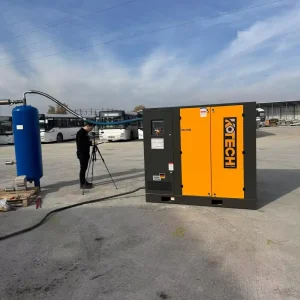
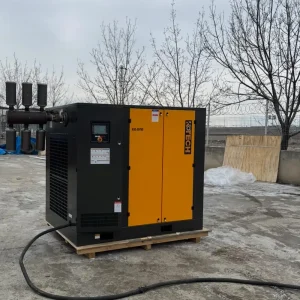
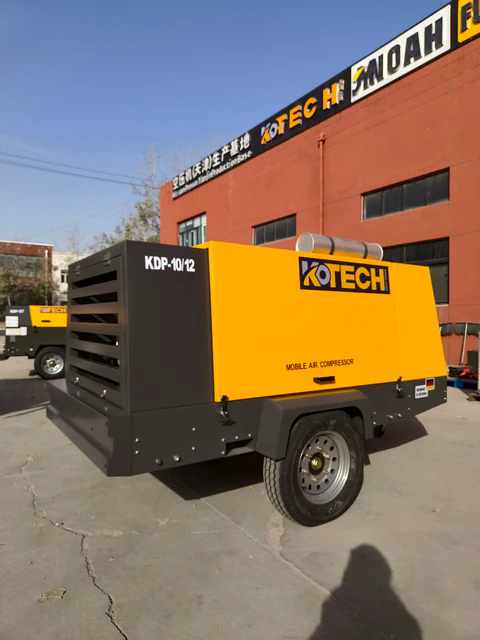
Many modern mining air compressors are designed with modularity and portability in mind. Skid-mounted or trailer-mounted units can be easily moved between work sites, adapting to the dynamic nature of mining operations. This flexibility reduces the need for extensive piping infrastructure and allows for quick deployment where compressed air is needed most.
Navigating the Challenges: When New Tech Isn’t a Silver Bullet
While these innovations offer immense benefits, it’s important to acknowledge their limitations. Electrification, for instance, requires significant investment in charging infrastructure, which isn’t always feasible for every remote mine site, especially those without reliable grid access. Similarly, while predictive maintenance is powerful, it requires skilled personnel to interpret the data and act on insights; a fancy dashboard alone won’t solve your problems. Organizations must also consider cybersecurity risks when integrating IoT devices into their operational technology (OT) networks. It’s not a “set it and forget it” scenario.
Practical Implementation: Making the Right Choice
For mining operators looking to upgrade, the path forward involves a careful assessment of current and future needs.
- Perform a Comprehensive Air Audit: Understand your actual compressed air demand and identify areas of inefficiency. This is step one, every single time.
- Evaluate TCO, Not Just Purchase Price: Factor in energy savings, reduced maintenance, and extended lifespan when comparing different compressor technologies.
- Consider Scalability and Integration: Choose systems that can grow with your operation and integrate seamlessly with existing digital infrastructure.
- Invest in Training: Ensure your team is equipped to operate and maintain these advanced systems effectively.
- Pilot Programs: For larger investments, consider a pilot program with one or two units to validate performance and ROI before a full fleet rollout.
The landscape of mining air compressors is evolving rapidly. Embracing these latest technologies isn’t just about staying competitive; it’s about building more efficient, safer, and sustainable mining operations for the long haul.