Selecting the Right Industrial Air Compressor for Oil & Gas
The Critical Role of Air Compressors in O&G: Beyond Just Power
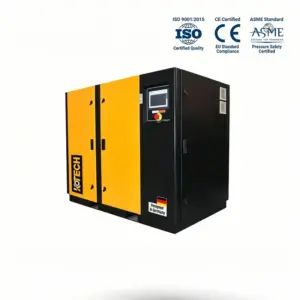
In the oilfield and gas sector, an industrial air compressor isn’t just another piece of equipment; it’s a foundational asset, often the heartbeat of critical operations. From powering pneumatic tools and wellhead controls to providing precise instrument air for sophisticated monitoring systems, these machines keep the entire enterprise moving. The stakes are incredibly high. A single compressor failure can halt production, jeopardizing safety and incurring staggering costs.
Navigating Harsh Realities: Reliability and Durability
Operating environments in oil and gas are, frankly, brutal. We’re talking about corrosive saltwater spray offshore, abrasive dust in desert fields, extreme temperature fluctuations from the Arctic to the equator, and continuous vibration. These conditions chew through standard industrial equipment, which is why a heavy-duty air compressor designed specifically for this sector isn’t merely a premium choice—it’s an absolute necessity. Compressor units need robust enclosures, specialized filtration systems, and corrosion-resistant components to withstand constant abuse. Anything less is a gamble you simply can’t afford.
Driving Efficiency and Safety: Key Trends and Solutions
The industry is under increasing pressure to optimize efficiency and enhance safety, all while navigating volatile commodity prices. This pressure directly impacts the selection and operation of industrial air compressors.
The Energy Equation: VSD and Remote Monitoring
Energy consumption is a massive operational cost in oil and gas. Compressors, especially older, fixed-speed models, can be significant energy hogs. This is where Variable Speed Drive (VSD) technology shines. VSD compressors adjust their motor speed to match air demand, leading to substantial energy savings, particularly in applications with fluctuating loads.
Beyond energy, remote monitoring and predictive maintenance are transforming how we manage compressor fleets. Imagine knowing a component is showing signs of wear *before* it fails, allowing for scheduled maintenance rather than emergency shutdowns.
Compliance and Customization: Not One-Size-Fits-All
Safety in oil and gas is non-negotiable, and regulatory compliance is a strict framework, not a suggestion. Air compressors operating in hazardous areas must meet stringent certifications like ATEX (for Europe) or Class 1, Div 2 (for North America), ensuring they won’t ignite explosive atmospheres. Likewise, API (American Petroleum Institute) standards often dictate design and performance requirements, particularly for critical process air applications. This isn’t an area for compromise.
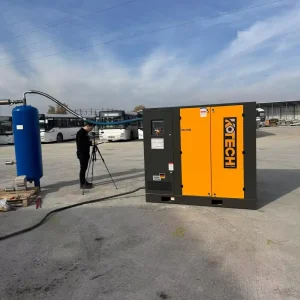
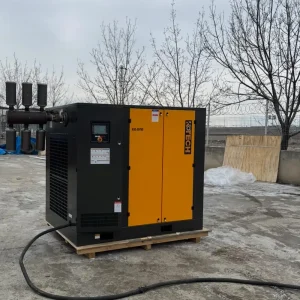
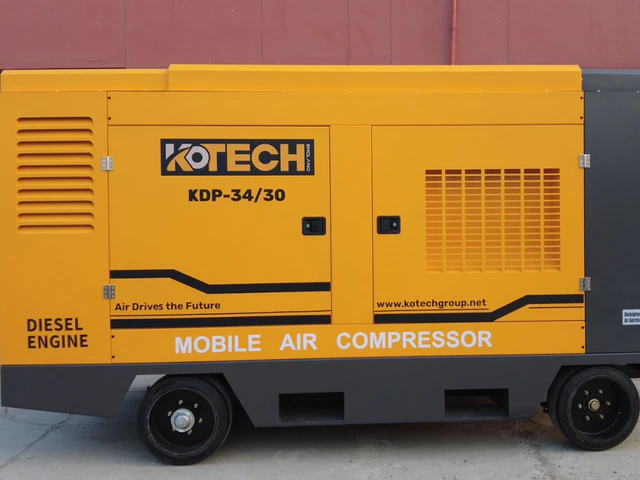
However, these strict rules don’t mean a rigid, one-size-fits-all approach. Quite the opposite. Every oilfield or gas operation has unique demands: different flow rates, pressure requirements, portability needs, and environmental conditions. A mobile air compressor might be perfect for well servicing, while a large, stationary, explosion-proof unit is essential for a gas processing plant. The key is customization. Off-the-shelf solutions rarely provide optimal performance or compliance for every specific scenario. For instance, a basic construction compressor simply won’t cut it for instrument air on an offshore platform; the air quality requirements alone are vastly different.
Strategic Implementation: Making the Right Call
Selecting the ideal industrial air compressor for your oil and gas operations requires a holistic view, extending beyond the initial purchase price. You need to consider the total cost of ownership (TCO), which includes capital expenditure, energy consumption, maintenance, parts, and potential downtime losses over the equipment’s lifespan.
Considering Total Cost of Ownership (TCO)
When evaluating options, prioritize suppliers who understand the specific challenges of your industry. Look for partners offering:
- Robust, Field-Proven Designs: Units built to withstand extreme conditions, with documented performance in similar applications.
- Energy Efficiency: VSD technology, optimized motor efficiency, and smart controls to minimize power consumption.
- Comprehensive Service and Support: A strong service network, readily available spare parts, and expert technical assistance are vital, especially for remote sites.
- Safety and Compliance: Assured adherence to all relevant industry standards and certifications (ATEX, Class 1, Div 2, API).
- Customization Options: The ability to tailor units for specific flow, pressure, air quality, and environmental requirements.
- Remote Monitoring & Predictive Maintenance: Technologies that enhance uptime and allow for proactive maintenance scheduling.
Frankly, skimping on compressor quality or support is a false economy in this business. The cost of a single day of unplanned downtime can easily eclipse the price difference between a cheap unit and a purpose-built, reliable system. Invest in the right equipment and a strong service partnership; it’s the only way to ensure consistent, safe, and profitable operations in the demanding world of oil and gas.