
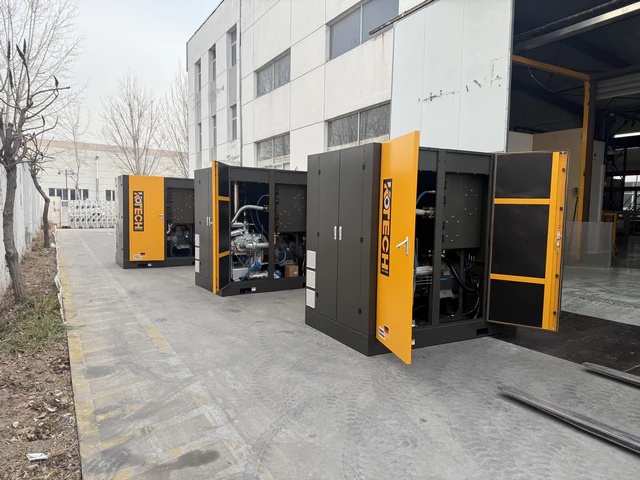
Portable diesel air compressors are ...
Choosing the Right Portable Diesel Compressor for Harsh Environments
Key Takeaways
- <ul>
- <li>Portable diesel air compressors are vital for remote mining and construction.</li>
- <li>Prioritize extreme durability and robust build for harsh conditions.</li>
- <li>Tier 4 Final engines are crucial for emissions compliance and fuel economy.</li>
- <li>Telematics enable predictive maintenance and operational efficiency gains.</li>
- <li>Global construction ($17.0T by 2026) and mining ($227.3B by 2030) markets drive demand.</li>
- <li>Modern compressors offer 15-20% better fuel efficiency (Atlas Copco 2022).</li>
- <li>Digital solutions cut downtime by 20%, boost efficiency by 10-15% (McKinsey & Company 2023).</li>
- <li>Consider alternatives (electric) for indoor or ultra-low emission needs.</li>
- <li>Operator training and strict maintenance are key to long-term value.</li>
- </ul>
Related: rugged air compressors · mobile construction compressors · mining pneumatic power · heavy-duty diesel air · site air solutions · fuel-efficient compressors · remote site air · construction equipment reliability · Tier 4 Final compressors
- Reliability is Paramount: In mining and construction, equipment downtime costs millions. Your compressor must withstand extreme conditions without fail.
- Fuel Efficiency Drives Profitability: With fluctuating fuel prices, choosing a compressor with advanced engine management directly impacts your bottom line and emissions compliance.
- Portability Means Productivity: True portability isn’t just wheels; it’s maneuverability across rough terrain and quick setup to keep projects on schedule.
- Technology Integration is Key: Modern units offer telematics and advanced controls, transforming maintenance from reactive to predictive, boosting uptime.
- Emissions Compliance is Non-Negotiable: Tier 4 Final engines are standard. Ignoring this risks fines and project delays, especially in regulated zones.
Why Portable Diesel Air Compressors Remain Indispensable
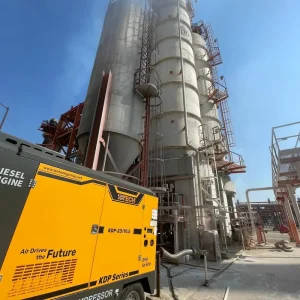
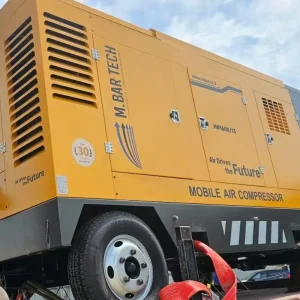
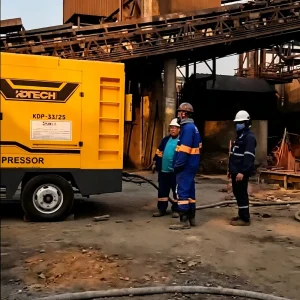
The reality on mining and construction sites is often brutal: remote locations, extreme temperatures, dust, and relentless demands. In these environments, reliable pneumatic power isn’t a luxury; it’s the backbone of operations. Portable diesel air compressors are the workhorses that make everything from blast hole drilling and concrete breaking to sandblasting and heavy-duty wrenching possible. Frankly, without robust, self-contained air power, many of these projects simply wouldn’t get off the ground. The core judgment here is clear: invest in a compressor built for the grind, not just the spec sheet.
The Evolving Landscape: Data and Market Drivers
The global construction market, for instance, continues its robust expansion. Statista 2023 reported the global construction market was valued at approximately $14.4 trillion in 2021 and is projected to reach $17.0 trillion by 2026. This growth directly translates to increased demand for reliable, mobile equipment like these compressors. Similarly, the mining sector is seeing significant investment. Grand View Research 2024 projects the global mining equipment market size to reach USD 227.3 billion by 2030, growing at a CAGR of 5.7% from 2023 to 2030. These figures underscore a sustained need for high-performance, durable machinery.
The drive for efficiency isn’t just about output anymore; it’s about fuel consumption and environmental impact. Modern Tier 4 Final diesel engines are engineered to meet stringent emissions standards while delivering impressive fuel economy. A study by Atlas Copco 2022 indicated that modern diesel compressors can offer up to 15-20% better fuel efficiency compared to older models, significantly reducing operational costs over their lifespan. This isn’t just greenwashing; it’s a tangible financial benefit that operators can’t afford to ignore.
Beyond Raw Power: Key Selection Criteria for Peak Performance
When you’re out there, far from the nearest service center, the last thing you need is a compressor that throws a tantrum. Selecting the right portable diesel air compressor requires a holistic approach, moving past just CFM and PSI.
Durability and Build Quality
Look for chassis designs that protect internal components from impacts and debris. Heavy-duty axles, robust enclosures, and quality paint finishes resist corrosion. Honestly, I’ve seen too many operations lose precious days because a flimsy panel buckled or a control board got soaked. Weatherproofing is non-negotiable.
Engine and Emissions Compliance
As mentioned, Tier 4 Final engines are the benchmark. These engines incorporate advanced aftertreatment systems like Diesel Particulate Filters (DPF) and Selective Catalytic Reduction (SCR) to minimize harmful emissions. Beyond compliance, better engine technology often means better fuel consumption and longer service intervals. Understand the maintenance requirements for these systems; they differ from older models.
Fuel Efficiency and Tank Capacity
Operating expenses are heavily influenced by fuel. Compare specific fuel consumption rates. A larger fuel tank, combined with efficiency, means longer run times between refueling, a massive advantage on remote sites where fuel delivery can be a logistical headache.
Serviceability and Maintenance Access
Easy access to filters, fluids, and diagnostic points reduces downtime for routine maintenance. Quick-drain systems, external fuel fillers, and clear service indicators are features that pay dividends in the field. From my vantage point over the last decade, ease of maintenance often dictates how well a machine is truly cared for.
Noise Levels
While less critical than raw power, noise pollution impacts worker comfort and can be a regulatory concern, especially on urban construction sites or near residential areas. Modern compressors are significantly quieter, often incorporating advanced sound-dampening materials and engine enclosures.
Telematics and Remote Monitoring
This is where the industry is truly heading. Integrated telematics systems allow for remote monitoring of critical parameters like fuel levels, engine hours, pressure, and fault codes. According to a report by McKinsey & Company 2023, digital solutions like telematics can reduce equipment downtime by up to 20% and improve operational efficiency by 10-15% in heavy industries. This proactive approach to maintenance can preempt failures, scheduling service before it impacts productivity.
Addressing Common Pitfalls: When Diesel Isn’t the Only Answer
While portable diesel air compressors are kings in their domain, they aren’t a universal solution. They are not always the best fit for indoor applications with strict ventilation requirements, or for projects where noise and emissions must be absolutely minimal, even beyond Tier 4 standards. For those specific scenarios, electric portable compressors or even stationary electric units might be a better choice, assuming a reliable power grid is available. Furthermore, for very small, intermittent tasks, a compact electric unit or even a battery-powered option could offer more convenience without the overhead of diesel maintenance. This is where a clear understanding of your specific project parameters becomes crucial.
Maximizing ROI: Operational Strategies and Future-Proofing
Getting the most out of your investment goes beyond the initial purchase. It’s about smart operation and forward-thinking management.
Operator Training
Proper training ensures operators understand not just how to start and stop the machine, but also how to monitor performance, conduct daily checks, and recognize early warning signs of issues. A well-trained operator can prevent minor problems from escalating into costly breakdowns.
Preventive Maintenance Schedules
Strict adherence to manufacturer-recommended maintenance schedules is paramount. This includes regular oil changes, filter replacements, and checking fluid levels. Predictive maintenance, enhanced by telematics data, can optimize these schedules, moving away from rigid time-based intervals to condition-based servicing.
Fuel Management
Implement stringent fuel quality control. Contaminated fuel is a common culprit for engine issues. Also, consider bulk fuel purchasing and storage solutions that minimize contamination risks and ensure a consistent supply.
Fleet Optimization
If you manage multiple units, leverage telematics to track usage patterns. This data can inform future purchasing decisions, ensuring you have the right size and type of compressor for each job, avoiding under- or over-utilization.
Conclusion: Powering Progress, Responsibly
Portable diesel air compressors are far more than simple machines; they are critical enablers for the mining and construction sectors. Choosing the right unit, understanding its operational nuances, and embracing technological advancements are key to securing efficiency, reliability, and profitability. The industry is moving towards smarter, cleaner, and more connected equipment. Staying ahead means integrating these insights into your purchasing and operational strategies.
Expert Insights
"In my two decades in this industry, the biggest shift I've seen isn't just raw power output, but the intelligence and efficiency baked into these machines. The old 'bigger is better' mentality is giving way to 'smarter is better.' For anyone spec'ing out a new fleet, overlooking telematics or the true long
— term fuel cost of a compressor is leaving money on the table, plain and simple. We're past the point where a compressor is just a loud box that makes air; it's a data point in a larger, interconnected operational ecosystem."
Further Reading
Related Reading: Complete Mining Air Compressor Systems & Custom Solutions
Related Applied Cases