Mobile Diesel Air Compressor for Sandblasting Sites
A mobile diesel air compressor for sandblasting site is a self-contained, portable unit combining a powerful diesel engine with an air compressor, specifically designed to supply high-pressure, high-volume air for abrasive blasting operations in remote or off-grid locations. These robust systems are engineered to withstand the demanding conditions of industrial environments, providing the necessary pneumatic power without reliance on external electrical grids. The significance of these mobile units cannot be overstated in industries such as oil and gas, marine maintenance, bridge repair, and general infrastructure projects, where access to static power sources is often limited or entirely absent. They enable critical surface preparation tasks to proceed efficiently, ensuring proper adhesion for coatings, removal of rust, and restoration of various materials in challenging locales. The primary problem solved by integrating mobile diesel air compressors into sandblasting operations is the elimination of dependency on fixed power infrastructure. This capability accelerates project timelines, drastically reduces logistical complexities associated with power generation or lengthy cable runs, and ensures consistent, powerful abrasive blasting performance across diverse and often inaccessible environments.
The Core Mechanics of Mobile Diesel Air Compressors for Sandblasting
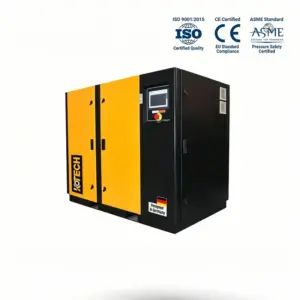
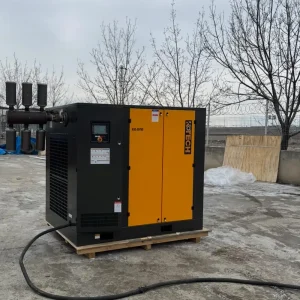
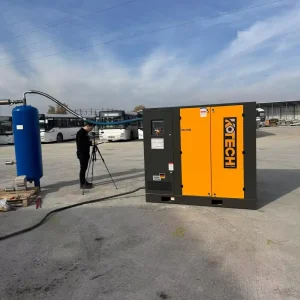
From a framework perspective, a mobile diesel air compressor for sandblasting is engineered around a robust diesel engine directly coupled to a rotary screw air end, encased within a weather-resistant, trailer-mounted chassis for complete portability. This integrated design ensures self-sufficiency, delivering continuous high-pressure air ranging typically from 100 to 375 PSI with volumes from 185 to over 1600 CFM, vital for efficient abrasive media propulsion.
Key components include the air intake system, often featuring multi-stage filtration to protect internal components from abrasive site dust, and an oil injection system that lubricates, cools, and seals the air end. The compressor’s control panel provides essential operational data, including pressure, temperature, and engine diagnostics, ensuring operators can monitor performance and troubleshoot issues promptly and safely during intensive blasting tasks.
The diesel engine itself is optimized for fuel efficiency and reliability under heavy loads, frequently incorporating advanced emission control systems to meet environmental regulations, especially for projects situated in sensitive ecological zones. The robust chassis, complete with heavy-duty axles and tires, allows for effortless towing across rough terrain typical of construction and industrial sites, making it a truly versatile piece of equipment essential for remote work.
Deploying a Mobile Diesel Air Compressor for Optimal Blasting Operations
In practical application, deploying a mobile diesel air compressor for a sandblasting site involves several critical steps, commencing with thorough site assessment and proper equipment positioning to ensure safety, operational efficiency, and a stable air supply for the blasting pot. This systematic approach guarantees that the compressor can operate effectively, thereby minimizing downtime and maximizing abrasive flow.
The initial phase involves selecting the appropriate compressor size based on the specific sandblasting equipment requirements, such as nozzle size, blast pot capacity, and the desired productivity rate. Once on-site, the compressor must be positioned on level, stable ground, with parking brakes engaged and safety chocks deployed. Essential pre-operation checks include verifying fluid levels (fuel, engine oil, compressor oil, coolant), assessing air filter condition, and ensuring all hose connections to the blast pot are secure and leak-free.
After startup and allowing the engine to reach optimal operating temperature, the air pressure should be gradually increased to the setting required for the chosen abrasive and surface type. Throughout the blasting operation, operators must continuously monitor gauges for pressure stability and engine health, performing regular walk-around inspections for any signs of leaks, excessive vibration, or unusual noises. Proper shutdown procedures, including gradual pressure relief and engine cooldown, are crucial for equipment longevity and safety.
Comparative Performance: Mobile Diesel vs. Alternative Air Compressor Systems
Based on structural analysis, mobile diesel air compressors for sandblasting sites offer distinct advantages over electric-powered portable units and large stationary compressors, particularly regarding site flexibility and operational independence in remote or transient project environments. This differentiation is a critical factor for project managers when selecting the most suitable air supply solution for their specific needs.
When comparing **Complexity**, mobile diesel units are inherently more intricate due to their integrated engine, sophisticated fuel system, and advanced emissions controls, contrasting with the simpler motor and electrical connections of electric portable compressors. Stationary systems, while complex in their own right, typically involve a fixed, permanent installation. In terms of **Efficiency**, diesel compressors offer superior fuel efficiency for heavy-duty, continuous outdoor operations compared to the logistical challenges and power losses often associated with running extensive electrical cables for electric units. Stationary units are highly efficient but fundamentally lack portability.
Regarding **Cost**, the initial investment for a mobile diesel unit is often higher than a similarly sized electric portable compressor, primarily due to the robust diesel engine and heavy-duty trailer. However, operational costs for electric units can escalate significantly in remote areas requiring generator rentals or extensive trenching for power lines. Stationary compressors typically have the highest initial installation cost but potentially lower long-term running costs if a permanent and readily available power supply is in place. For **Frequency** of use, mobile diesel compressors excel for intermittent, varied-location projects, while electric portables suit repetitive tasks in areas with existing power, and stationary units are exclusively designed for constant, high-volume demand in fixed industrial facilities.
Avoiding Common Pitfalls in Mobile Diesel Air Compressor Operations
Effectively managing a mobile diesel air compressor for sandblasting necessitates an acute awareness of common operational pitfalls, with inadequate maintenance and improper sizing being frequent issues that can severely impact project timelines and equipment longevity. Addressing these proactively is absolutely essential for sustained performance and operational safety.
One frequent mistake is **neglecting routine maintenance**, which can lead to premature component failure, significantly reduced air output, and increased fuel consumption. The professional solution involves strict adherence to the manufacturer’s maintenance schedule, including regular oil changes (for both the engine and compressor), timely air filter replacements, consistent fuel filter checks, and meticulous inspection of all hoses and belts. Implementing a digital log for maintenance activities ensures accountability and timely service intervals.
Another critical pitfall is **improper compressor sizing**, where a unit is either too small, leading to insufficient air pressure and volume for effective blasting, or excessively large, resulting in wasted fuel and unnecessarily higher operating costs. This ensures consistent performance without overspending or undersupplying.