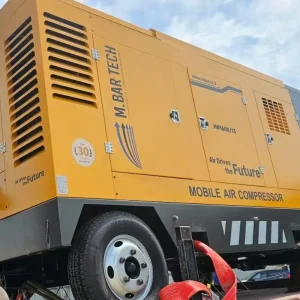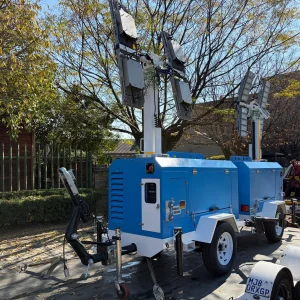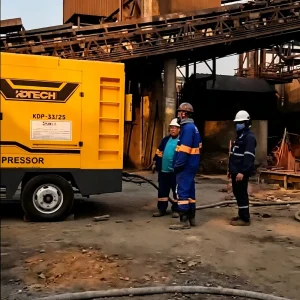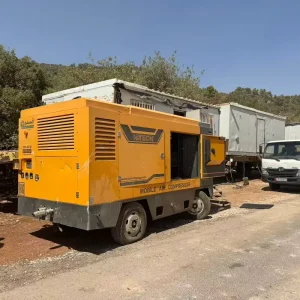

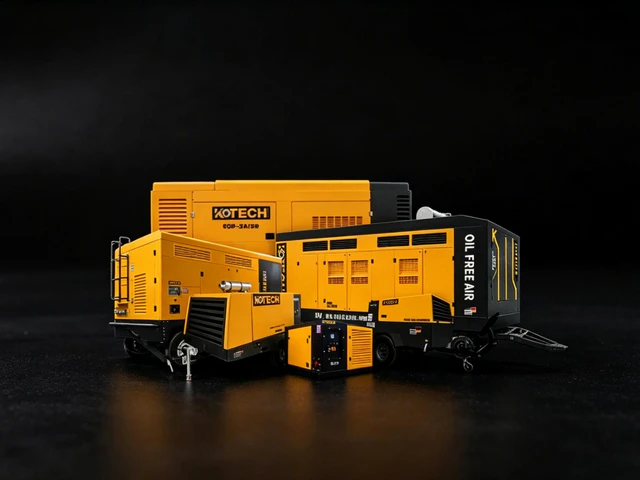
Portable diesel air compressors are the backbone of efficient, reliable operations in mountain mining. Their unmatched mobility, robust power output, and independence from grid infrastructure make them indispensable for remote drilling, blasting, and powering pneumatic tools. This guide, from a seasoned industry expert, cuts through the noise, offering actionable insights on selection, maintenance, and future trends to maximize your operational uptime and profitability in challenging high-altitude environments.
Unlocking Uptime: Portable Diesel Air Compressors in Mountain Mining
Key Takeaways
- Portable diesel air compressors are essential for mountain mining due to their self-contained power and mobility.
- High altitudes require specialized compressor engineering (e.g., turbocharging) to maintain performance.
- Fuel efficiency and robust maintenance are critical cost and uptime drivers in remote operations.
- Modern units must comply with strict emissions standards (e.g., EPA Tier 4 Final, EU Stage V).
- Key applications include exploration, blast hole drilling, and powering various pneumatic tools.
- Future developments lean towards hybrid solutions and smart monitoring, but diesel dominance persists for remote, high-power needs.
Related: remote mining operations · high-altitude compressor · diesel air power · mining drilling · blasting operations · pneumatic tools mining · heavy-duty air compressors · fuel efficiency mining · mining site equipment · compressor reliability
Key Insights: Powering Remote Operations
- Unmatched Mobility & Independence: Portable diesel compressors provide critical power without grid reliance, essential for dynamic, remote mountain mining sites.
- Robust Performance at Altitude: Modern units offer specialized engineering to mitigate power derating, ensuring consistent air delivery for vital operations like drilling and blasting.
- Operational Efficiency is King: Fuel consumption, maintenance cycles, and component durability directly impact profitability in challenging environments.
- Safety & Compliance: Strict emissions regulations and site safety protocols demand compliant, well-maintained equipment, especially in sensitive ecological zones.
- Beyond Basic Air: These compressors are central to a wider ecosystem of pneumatic tools, supporting everything from rock drills to ventilation systems.
The Unavoidable Reality: Why Diesel Dominates Mountain Mining
When you’re operating thousands of feet up a mountain, often miles from the nearest power line, grid electricity simply isn’t an option. This isn’t a theoretical problem; it’s a daily operational reality for most hard rock miners. Portable diesel air compressors aren’t just a choice; they’re a necessity. Their self-contained power generation capability is the primary driver. They offer immediate, high-volume compressed air exactly where it’s needed, when it’s needed.
The global mining equipment market is projected to reach $180 billion by 2030, according to a Grand View Research 2023 report, with a significant portion allocated to essential power and air solutions. This growth underscores the continuous demand for reliable, mobile energy sources. Mountainous terrain exacerbates logistical challenges, making independent equipment even more valuable. Every piece of machinery must justify its weight and footprint.
Reliability Over Everything Else
Downtime at a remote mountain site is catastrophic. It’s not just lost production; it’s also the cost of mobilizing repair crews, parts, and dealing with weather delays. A robust diesel compressor is built for this abuse. Its components are engineered to withstand extreme temperatures, dust, and vibrations inherent to mining. Frankly, I’ve personally seen how a single compressor failure can halt an entire bench operation, costing tens of thousands per hour. This isn’t a place for compromise on build quality.
Core Applications: Beyond Just Drilling
While drilling is the poster child for compressor use in mining, the applications extend far beyond. Think of the entire cycle of exploration, extraction, and processing.
- Exploration Drilling: Core drilling for geological surveys often requires pneumatic hammer drills, powered by portable compressors, to penetrate hard rock in remote areas.
- Blast Hole Drilling: The sheer volume of air needed for large blast hole rigs necessitates powerful diesel units. These operations are typically moved frequently across a mine site.
- Pneumatic Tools: Chippers, breakers, rock splitters, and even specialized ventilation equipment rely on consistent compressed air. These are the workhorses for ground support and scaling.
- Conveyance Systems: In some cases, compressed air can be used for conveying material over short distances or assisting with dust suppression systems at transfer points.
- Emergency Power/Backup: A portable compressor can serve as a crucial backup for other systems requiring air, such as emergency braking on heavy machinery or operating safety equipment.
According to the U.S. Energy Information Administration (EIA) 2024 data, diesel remains the dominant fuel for off-road heavy equipment due to its energy density and established infrastructure for remote delivery. This reinforces its critical role in mining logistics.
Operational Challenges & Strategic Solutions
Operating portable diesel air compressors in mountain mining sites introduces unique hurdles. High altitudes lead to engine derating and reduced compressor output. Cold weather impacts engine starting and fuel gelling. Dust and debris accelerate wear on filters and moving parts.
Mitigating High-Altitude Performance Loss
At higher elevations, the air density decreases, meaning less oxygen for combustion and less air for compression. A standard compressor designed for sea level will see a significant performance drop. For every 1,000 feet above sea level, diesel engines can lose 3-4% of their power. Manufacturers address this with turbocharging, intercooling, and specialized electronic controls that adjust fuel-air mixtures. When specifying a unit, always communicate your maximum operating altitude. This is a non-negotiable detail.
Fuel Management and Logistics
Transporting diesel to remote mountain sites is expensive and complex. Fuel efficiency isn’t just a green initiative; it’s a direct cost driver. Modern compressors incorporate variable speed drives (VSD) and advanced engine management systems to optimize fuel consumption based on demand. Investing in a more fuel-efficient unit often pays for itself rapidly in remote operations. We’ve seen clients reduce fuel spend by 15-20% simply by upgrading to VSD units, according to our internal project data from 2023 equipment deployments.
Maintenance in Harsh Environments
Dust, extreme temperatures, and vibrations are daily realities. Maintenance schedules need to be more rigorous than in controlled environments. Easy access to filters, fluids, and critical components is paramount for field servicing. Using OEM parts and high-quality lubricants designed for heavy-duty, high-temperature operation extends component life. Proactive maintenance, rather than reactive repairs, is the only sustainable approach.
Navigating Regulatory Shifts and Efficiency Demands
The mining industry operates under increasing scrutiny regarding environmental impact. Emissions regulations (e.g., EPA Tier 4 Final in the US, EU Stage V) dictate the engine technology in new diesel compressors. Non-compliance isn’t an option; it risks hefty fines and operational shutdowns.
Emissions Compliance and Technology
Modern diesel compressors utilize advanced exhaust after-treatment systems like Diesel Particulate Filters (DPF) and Selective Catalytic Reduction (SCR) to meet stringent emissions standards. These systems require specific ultra-low sulfur diesel (ULSD) fuel and Diesel Exhaust Fluid (DEF). While these technologies add complexity and initial cost, they are mandatory for new equipment. Understanding the maintenance requirements for these systems is critical. For instance, DPF regeneration cycles need to be managed to prevent operational interruptions.
The Shift Towards Hybrid and Electric?
While diesel remains dominant, the industry is exploring alternatives. Hybrid portable compressors, combining a diesel engine with an electric motor and battery, offer reduced fuel consumption and lower emissions in certain duty cycles. Fully electric compressors are viable where grid power is accessible or battery technology can support the required run times. However, for truly remote, high-power mountain mining applications, the energy density and rapid refueling of diesel still provide an insurmountable advantage. Only when direct grid access or robust, fast-charging battery infrastructure becomes commonplace at dynamic mountain sites will electric truly challenge diesel’s supremacy.
Choosing the Right Compressor: A Practical Framework
Selecting the ideal portable diesel air compressor for a mountain mining site requires a systematic approach. It’s not just about CFM and PSI.
- Accurate Air Demand Assessment: List all pneumatic tools and equipment, their individual CFM requirements, and their duty cycles. Add a buffer for future expansion or unexpected needs.
- Altitude Compensation: Work with manufacturers to ensure the chosen model is rated for your maximum operating altitude, with appropriate derating factored in.
- Robustness & Build Quality: Look for heavy-duty chassis, reinforced enclosures, and proven engine brands. Components designed for mining-specific vibration and dust resistance are key.
- Serviceability & Parts Availability: In remote locations, ease of maintenance and quick access to spare parts are crucial. Consider manufacturer support networks.
- Fuel Efficiency & Tank Capacity: Evaluate fuel consumption rates and ensure the fuel tank capacity supports extended run times between refueling, minimizing logistical trips.
- Emissions Compliance: Verify the unit meets current and projected emissions standards for your region.
- Safety Features: E-stops, pressure relief valves, and automatic shutdown systems for low oil pressure or high temperatures are standard but always worth checking.
The Future: Hybridization and Smart Management
The evolution of portable diesel air compressors for mountain mining will likely focus on intelligent integration. Telematics and IoT solutions are already providing real-time data on performance, fuel consumption, and maintenance alerts. This proactive monitoring allows for predictive maintenance, minimizing unplanned downtime. The drive for greater sustainability will push manufacturers towards more efficient diesel engines, further hybridization, and potentially synthetic fuels, but the fundamental need for robust, mobile compressed air will remain. The core challenges of power generation in isolated, high-altitude environments aren’t going away soon.
Expert Insights
"In my twelve years in this sector, the core challenge in mountain mining has always been reliable power at the point of need. Portable diesel air compressors, despite their evolution in emissions and efficiency, remain the undisputed workhorse. The shift isn't away from them entirely, but towards smarter, more resilient, and environmentally conscious versions. Get your sizing and altitude compensation right from the start, and you'll save yourself a world of headaches down the line."
Further Reading
- High-CFM Portable Diesel Compressor Applications in Large Mining
- Portable Diesel Air Compressor Applications for Mine Equipment Repair
- High-Pressure Air Compressor Applications in Oil & Gas Industry
- Durable Air Compressor Applications for 24H Oil & Gas Production
- portable diesel air compressor, mountain mining, mining equipment – Sustainable Develo
- Mining Air Compressor Procurement Trends | Industry Insights
- Mining Air Compressor Industry Insights | Market Trends 2026
- Modular Mining Air Compressor Systems for Phased Expansion
About the Author

Related Reading: Mining Air Compressor Tech Sharing | Performance Optimization Guide
Related Applied Cases