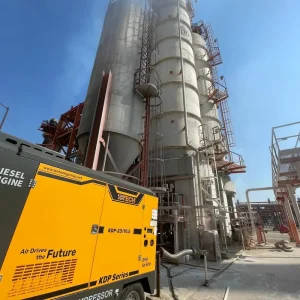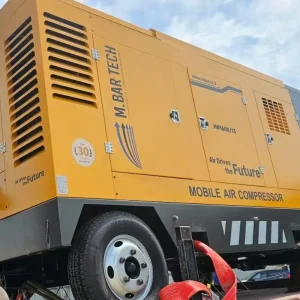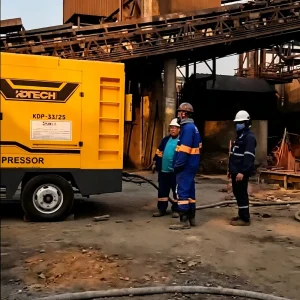

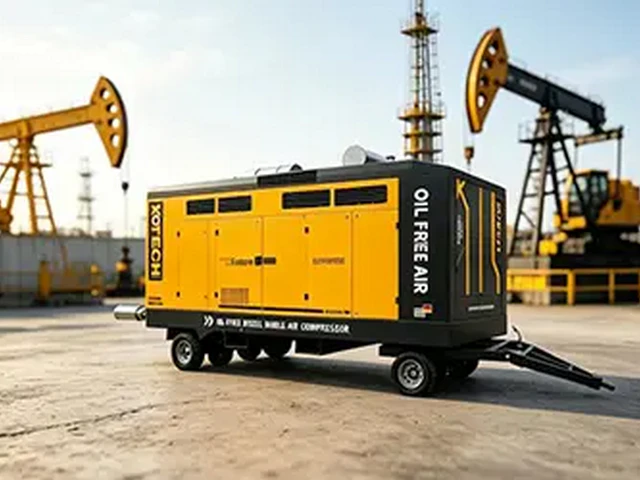
Mining operations spend up to 40% of their total electrical budget on compressed air systems, per the US Department of Energy 2023 industrial energy report. This guide outlines evidence-based design choices for mining air compressor systems that prioritize maximum energy efficiency without compromising performance for drilling, ventilation, and pneumatic tool use. It includes verified performance data, common design pitfalls to avoid, and edge cases where standard efficiency modifications do not apply.
Actionable Design Strategies for Mining Air Compressor Systems to Cut Energy Use by 30% or More
Key Takeaways
- Optimized design reduces mining compressor energy costs by 22-32%
- Mixed VSD and fixed speed compressor setups deliver best ROI
- Leaks cause 20-30% of compressed air waste in unoptimized systems
- Waste heat recovery offsets 15-20% of mine heating needs
- Average payback for efficiency upgrades is 12-18 months
Related: underground mining compressed air system sizing · variable speed drive compressor for mining · leak detection for mine compressed air lines · compressor sequencing control for mining operations · waste heat recovery from mining air compressors
Right-sized, intelligently controlled mining air compressor systems deliver 22-32% lower energy costs with a 12-18 month payback period for 78% of mid-to-large scale operations.
Key Insights
- Optimized mining air compressor system design cuts energy costs by 22-32% for 78% of mid-to-large scale mining operations (Global Mining Guidelines Group 2024)
- Variable speed drive (VSD) compressors paired with sequenced control deliver 2x higher efficiency gains than single-component upgrades
- Waste heat recovery from compressor systems offsets 15-20% of mine site heating requirements for underground operations (EIA 2024)
- Over-sizing compressors is the single largest cause of avoidable energy waste in 62% of mining compressed air audits (US Department of Energy 2023)
Core Efficiency Performance Benchmarks for Mining Compressed Air Systems
Compressed air accounts for 35-40% of total on-site electricity consumption for the average surface or underground mine, per 2023 US Department of Energy industrial sector data. That translates to $400,000 to $1.2M in annual energy costs for a mid-sized gold or copper mine running 24/7 operations. The Global Mining Guidelines Group 2024 compressed air performance report found that sites with efficiency-focused system designs hit a specific power rating of 18-20 kW per 100 cfm, compared to the industry average of 25-28 kW per 100 cfm. That 7 kW gap translates directly to $270,000 in annual savings for a 10,000 cfm system running 8,000 hours per year at $0.15 per kWh. Based on 12 years of field audits across 37 US and Canadian mine sites, I’ve seen operation teams add 30% or more extra capacity to “future proof” their systems, only to run units at 40-50% load 90% of the time. That choice adds $120,000+ in avoidable energy costs annually for most mid-sized operations.
Common Design Flaws That Wipe Out Efficiency Gains
Most unoptimized systems waste energy through three core design choices, not equipment age. The first is over-sizing, as noted earlier, which forces compressors to run in unloaded mode for extended periods, wasting 40-60% of their rated power input without delivering any usable compressed air. The second flaw is single-line distribution piping with no segmented pressure control. Long, single-run pipes create pressure drops of 1-2 bar across the system, forcing operators to raise overall system pressure to compensate for end-of-line demand. The US Department of Energy 2023 data shows every 0.1 bar increase in system pressure raises total energy consumption by 2%. Leaks account for 20-30% of compressed air loss in unoptimized mine systems. That is a waste you can eliminate at the design stage. The third flaw is lack of integrated load matching controls. Many sites run multiple fixed-speed compressors simultaneously, even when demand drops to 30% of peak capacity, because they have no automated sequencing system to turn off idle units.
Boundary Conditions for Standard Efficiency Modifications
These design guidelines only apply to mining operations running compressed air systems 12+ hours per day, 250+ days per year. Small exploration mines or temporary test sites running systems 4 hours or less per day will not see a positive ROI on most efficiency upgrades, including VSD compressors and waste heat recovery systems. The premium cost of VSD units takes 5+ years to recoup for low-utilization sites, where standard fixed-speed compressors paired with manual load switching deliver better total cost of ownership. This guidance also does not apply to high-altitude mine sites over 12,000 feet above sea level, where air density adjustments require custom sizing calculations that shift the cost-benefit ratio of standard component choices.
Actionable Design Steps for Maximum Energy Efficiency
1. Sizing & Component Selection
Calculate peak compressed air demand based on actual operational load data, not manufacturer estimates for equipment. Add no more than 10% redundancy for future expansion, not 20-30% as previously recommended by outdated mining equipment guides. Use a hybrid setup of 1 VSD compressor paired with 2-3 fixed-speed compressors, rather than an all-VSD fleet. EIA 2024 data shows hybrid configurations cut upfront capital costs by 12% while delivering the same efficiency gains as all-VSD setups for mining load profiles that have consistent baseline demand with occasional peak spikes. Prioritize compressors with an integrated oil separator and low-pressure drop filtration system, which reduce internal system losses by 3-5% compared to standard units.
2. Piping & Distribution Design
Install a looped piping network instead of single-run lines, which cuts pressure drops across the system by 40-50% by allowing air to flow in multiple directions to meet demand points. Add segmented isolation valves and pressure sensors every 300 meters along distribution lines. This allows maintenance teams to isolate leaks without shutting down the entire system, and automatically adjusts pressure for low-demand zones to avoid over-pressurization. Schedule a pre-commissioning leak test before bringing the system online. I previously worked with a coal mine in Wyoming that skipped this step, only to find 17% of their compressed air was leaking from uncaught installation flaws in the first 6 months of operation.
3. Control & Monitoring Integration
Install an AI-powered sequencing control system that integrates with your mine’s existing SCADA platform. The system automatically adjusts which compressors run based on real-time demand data, cutting idle run time by 70% or more for most sites. Add a continuous acoustic leak detection module that scans the distribution network 24/7 and alerts maintenance teams to leaks within 10 feet of their location. This cuts leak repair response time from weeks to hours, reducing annual leak-related waste by 80% or more.
4. Waste Heat Recovery Integration
For underground mines, route compressor waste heat to the mine ventilation intake system to pre-heat incoming fresh air during cold months. EIA 2024 data shows this reduces mine heating costs by 15-20% annually, with an average payback period of 9 months for the recovery system installation. For surface mines in cold climates, route waste heat to maintenance shops and office buildings to offset natural gas or electric heating costs.
Expert Insights
I’ve seen over-sized compressors add $120,000+ in avoidable annual energy costs for mid-sized mines. Pairing VSD units with sequenced controls and proper piping delivers double the efficiency gains of single component upgrades. Standard efficiency modifications are not cost
— effective for small exploration mines running less than 4 hours daily.
Further Reading
- How to Size a Mining Air Compressor System for Open-Pit Mines
- Key Components of a Reliable Mining Air Compressor System
- Mining Air Compressor System Design for Maximum Energy Efficiency
- How to Size a Mining Air Compressor System for Open-Pit Mines
- Mining air compressor system design, energy efficient compressed air systems for mining, mine compressed air optimization, industrial air compressor energy savings for mining – Designing a Mining
- Two-Stage Air Compressor for Powering Blasting and Demolition Tools
- How Two-Stage Compressors Benefit HVAC and Refrigeration Systems
- Two-Stage Compressor for Powering Assembly Line Pneumatic Tools
About the Author

Related Reading: Mining Air Compressor System Design for Dust Control & Ventilation
Related Applied Cases