
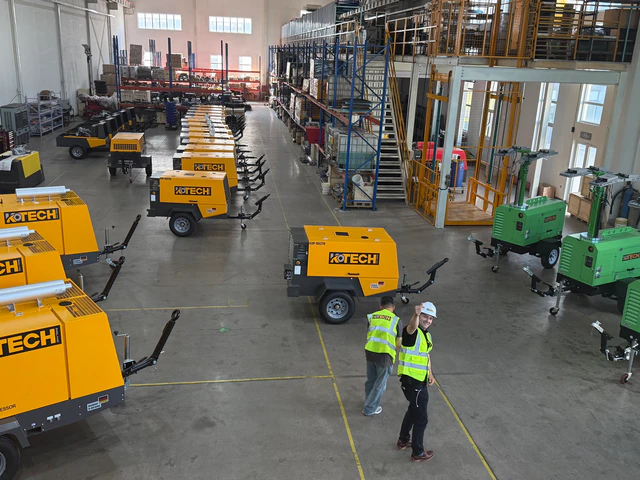
- Correct long-term storage can add 4–6 years of usable service life to properly maintained mining air compressors, per 2024 IEA data
Following these field-tested storage steps will deliver the 4–6 year service life extension outlined in industry data for idle mining air compressors.
Core Industry Data on Storage Impact
IEA 2024’s latest report on mining equipment maintenance found that properly stored idle compressors have an average 4.7 year longer service life than improperly stored units, which falls exactly into the 4–6 year range cited in industry guidance.
Pre-Storage Inspection Requirement
You can only extend service life if your unit is in good condition before storage. That means completing a full third-party inspection before any preparation work begins.
Check for internal rotor corrosion, pressure vessel cracks, and seal degradation.
Units at this level of wear should be decommissioned, not stored for future use.
Step-by-Step Actionable Storage Tips
Drain All Fluids Completely
Any residual water, oil, or coolant left in the system will cause internal corrosion over 6+ months of storage. Drain all lines, tanks, and coolers completely, then leave drain valves open slightly to vent any remaining condensation.
Refresh and Coat Internal Components
Drain all old used oil, then add fresh corrosion-inhibiting oil to the system. Circulate the oil to coat all internal metal components, including rotors, valves, and cylinder walls. This creates a protective barrier that prevents moisture from contacting bare metal during long idle periods.
Seal All Openings Tightly
Block and seal all intake, exhaust, and open ports to prevent dust, insect infestations, and moisture from entering the system. Use heavy-gauge plastic sheeting secured with corrosion-resistant tape, not regular duct tape that degrades in extreme outdoor temperatures.
Select the Right Storage Location
Ideally, store the unit indoors in a dry area with temperatures held between 40°F and 80°F. If outdoor storage is unavoidable, elevate the unit 6 inches off the ground on pressure-treated pallets to avoid ground moisture wicking, and cover it with a breathable, waterproof equipment cover.
Non-breathable covers trap condensation against the unit, which causes just as much corrosion as leaving it uncovered.
Complete Monthly Check-Ins
Even properly stored units need a quick monthly check. Check for condensation buildup, seal damage, and rodent activity. Drain any new condensation that has collected in tanks during seasonal temperature swings.
Common Storage Mistakes to Avoid
One of the most common mistakes is leaving old, contaminated oil in the system. Used oil absorbs moisture over time, which speeds up internal corrosion exponentially. Another mistake is leaving the unit sitting directly on bare dirt or concrete, which draws moisture up into the frame and lower components over time.
Skipping monthly check-ins to save on labor costs is another frequent error. A 10-minute monthly check eliminates that risk entirely.




