
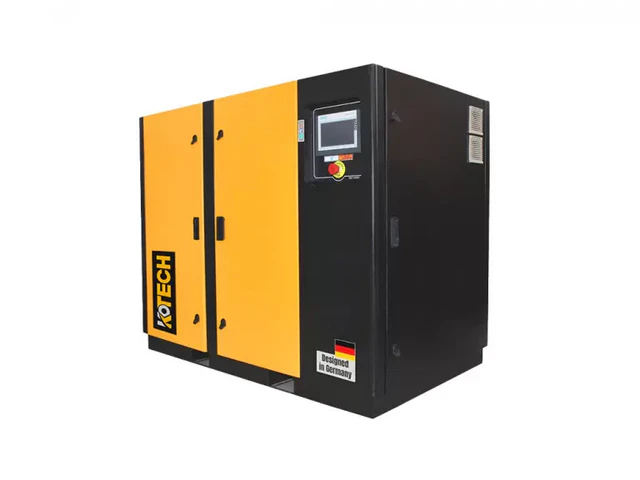
Ventilation Matching Design of Mining Air Compressor System

Effective ventilation matching design for mining air compressor systems isn't just a technical detail; it's a cornerstone of operational safety, efficiency, and equipment longevity. This guide cuts through the complexity, offering actionable strategies to mitigate thermal loads, manage diesel emissions, and ensure compliance, ultimately safeguarding your investment and workforce in challenging underground environments.

Ventilation Matching: The Unsung Hero of Mining Air Compressor Uptime

Related: Mine airflow dynamics · underground compressor heat load · MSHA ventilation compliance · portable diesel compressor exhaust · mine safety engineering · air quality monitoring mining · ventilation system optimization · operational uptime mining

The performance of your mining air compressor system hinges on one often-overlooked factor: precise ventilation matching. Get this wrong, and you’re looking at premature equipment failure, soaring energy bills, and serious safety hazards. We’re talking about creating a perfectly balanced microclimate around your critical assets. This level of precision separates reliable operations from those constantly battling breakdowns and regulatory fines.

In underground mining, the air compressor isn’t just a piece of equipment; it’s a major contributor to the environmental load. These machines, especially portable diesel units, generate significant heat and exhaust. Without a meticulously designed ventilation system, that heat builds up, and harmful particulates linger. This isn’t just an inconvenience. It’s an existential threat to your operational uptime and, more importantly, to worker health. Proper ventilation matching ensures that the air supply and exhaust rates are perfectly calibrated to the compressor’s output, preventing thermal stress and maintaining breathable air.

The Hard Numbers: Quantifying Compressor Impact on Mine Air Quality & Temperature

You can’t manage what you don’t measure. The impact of inadequate ventilation isn’t theoretical; it’s a measurable drain on resources and a tangible risk.

Heat Load: A Silent Efficiency Killer

Air compressors are inherently inefficient in terms of energy conversion. A significant portion of the

About the Author

· Senior Industrial Air Compressor Product & Operations Consultant @ Kotech

Arvin Hale is a seasoned engineer with over 12 years of hands-on experience in industrial air compressor product design, validation, and operational optimizatio…

Arvin Hale is a seasoned engineer with over 12 years of hands-on experience in industrial air compressor product design, validation, and operational optimization. His expertise spans screw compressors, portable industrial units, and oil-free systems, with a focus on balancing performance, energy efficiency, and reliability for mining, manufacturing, and construction applications. He combines deep technical knowledge with real-world operational insights, helping businesses design and deploy air systems that meet both performance and cost targets.

Related Reading: Overload Protection Technology Sharing for Mining Compressor Units

Frequently Asked Questions

Why is proper ventilation matching for mining air compressors such a big deal?**

Look, it boils down to three things: safety, efficiency, and equipment longevity. In a mine, especially underground, you're dealing with confined spaces, potentially high ambient temperatures, and for diesel units, exhaust fumes. Without precise ventilation matching, you risk overheating the compressor, leading to derating, premature component failure, and costly downtime. More critically, you compromise air quality for your crew, creating hazardous conditions from heat stress or toxic gases like carbon monoxide and NOx. It’s not just about moving air; it’s about moving the *right amount* of air, at the *right temperature*, to the *right place*, to keep operations safe and profitable.

**

What are the most common risks associated with inadequate ventilation for underground air compressors?**

From my years in the field, I’ve seen this go wrong in a few ways. First, you'll see a significant drop in compressor performance. Overheating causes the unit to work harder, consume more fuel/power, and ultimately deliver less compressed air. Second, component lifespan takes a massive hit – seals, bearings, and lubricants degrade much faster, leading to unexpected breakdowns. Third, and most serious, is the safety aspect. Elevated temperatures contribute to heat stress for personnel, and diesel exhaust accumulation can quickly create an unbreathable environment. We're talking about potential regulatory fines, operational stoppages, and, worst-case, serious injury or fatality.

**

How do ventilation requirements differ for portable diesel versus electric air compressors in a mining environment?**

This is a critical distinction. For electric compressors, your primary concern is heat rejection. Electric motors and compression elements generate substantial heat, and you need to ensure sufficient airflow to dissipate that heat and maintain an optimal operating temperature, typically below 40°C (104°F) for most industrial units to prevent derating. With portable diesel compressors, you have all that heat, *plus* the exhaust gases. You need robust ventilation not only to manage the thermal load but also to dilute and evacuate harmful emissions like CO, NOx, and particulate matter. This often means more complex ducting, higher airflow rates, and specialized exhaust gas treatment systems to meet air quality standards.

**

What are the key parameters I need to consider when designing a ventilation system for a new mining air compressor installation?**

You’ve got to start with the compressor's specifications: its total heat rejection rate (kW or BTU/hr), its maximum permissible ambient operating temperature, and for diesel, its exhaust gas volume and composition. Then, factor in the mine environment: ambient rock temperature, existing airflow patterns, elevation (which affects air density and fan performance), and the distance from fresh air sources. You’ll need to calculate the required airflow volume (CFM or m³/min), select appropriate fan types and sizes (axial vs. centrifugal), design efficient ducting (material, diameter, length, bends), and integrate it with the mine's overall ventilation plan. Don't forget regulatory compliance – MSHA in the US, for example, has strict guidelines on air quality and ventilation rates.

**

Can you offer a practical, actionable tip for optimizing an existing mine air compressor ventilation system without a full overhaul?**

Absolutely. Start with a thorough airflow audit. Use anemometers and smoke tubes to map actual airflow patterns around your compressor. Often, I see simple issues: leaky ducting, blocked intakes, or fans running inefficiently due to poor maintenance. A quick win is often optimizing intake air. If you can draw cooler, cleaner air from a dedicated fresh air raise or crosscut, rather than recirculating hot, dusty mine air, you'll see immediate improvements in compressor efficiency and lifespan. Also, consider insulating hot exhaust ducts to reduce heat transfer into the surrounding mine atmosphere. Even small improvements here can yield significant energy savings and extend equipment life.

**

What are some common pitfalls or mistakes companies make when designing air compressor ventilation in mining?**

The most frequent error I encounter is underestimating the heat load. Many designs are based on theoretical maximums without accounting for real-world conditions like high ambient mine temperatures or continuous heavy-duty cycles. Another common mistake is poor ducting design – undersized ducts, too many sharp bends, or rough interior surfaces create excessive pressure drop, rendering fans ineffective. Neglecting the impact of elevation on air density and fan performance is also a big one; what works at sea level won't perform the same 3,000 feet underground. And, critically for diesel, failing to properly integrate exhaust gas dilution and removal leads to serious safety and compliance issues. It’s a holistic system; a weak link anywhere compromises the whole setup.

**

Are there any new trends or technologies impacting mine air compressor ventilation design?**

Definitely. We're seeing a push towards smart ventilation systems. Using real-time sensors for temperature, humidity, and gas detection (CO, NOx, O2) allows for dynamic fan control, optimizing airflow based on actual conditions rather than fixed schedules. This can lead to significant energy savings. Variable Frequency Drives (VFDs) on ventilation fans are becoming standard, allowing precise control and energy efficiency. There's also increasing interest in heat recovery systems, where waste heat from compressors is captured and reused for mine heating, de-icing, or even hot water for washdown facilities. This not only improves efficiency but also reduces the overall thermal load in the mine. The focus is on smarter, more adaptive, and energy-efficient solutions.