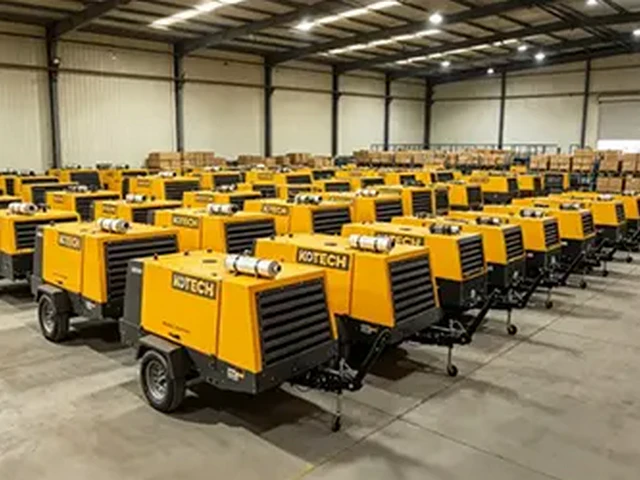
Arctic-Proofing Mining Air Compressors
The minute temperatures drop below freezing, standard mining air compressors turn from essential workhorses into ticking time bombs of downtime and expense. The reality is, ensuring reliable air compressor performance in cold regions isn’t just about adding a heater; it demands a comprehensive, integrated approach to cold resistance technology. This isn’t optional; it’s fundamental to safety and profitability in any cold-weather mining operation.
The Imperative for Cold-Resistant Mining Compressors
Operating an air compressor in sub-zero temperatures introduces a host of complex challenges. We’re talking about more than just discomfort; we’re dealing with material embrittlement, fluid viscosity changes, and moisture condensation turning into ice. These factors don’t just reduce efficiency; they can lead to catastrophic equipment failure. For mining operations, where compressed air powers everything from ventilation and drilling to pneumatic tools, such failures translate directly into lost production, soaring repair costs, and significant safety risks for personnel. The demand for industrial compressors specifically designed for harsh environments is growing, driven by expansion into new resource-rich, cold-climate territories.
The Financial and Operational Toll of Sub-Zero Conditions
The costs associated with inadequate cold resistance technology are staggering. We often see a direct correlation between falling temperatures and rising maintenance expenditures.
Furthermore, energy consumption skyrockets when equipment isn’t properly insulated or heated. These aren’t minor issues; they are systemic problems demanding specialized solutions.
Engineering Challenges: Why Standard Compressors Fail
Standard industrial air compressors are designed for temperate climates. When exposed to extreme cold, their components react in predictable, problematic ways. Metals become brittle, increasing the risk of fatigue cracks and sudden fractures. Elastomers and seals lose flexibility, leading to leaks and reduced sealing integrity. Lubricants thicken dramatically, increasing internal friction, demanding more power, and potentially starving critical bearings of oil. Moisture, an inevitable byproduct of air compression, freezes within air lines, valves, and control mechanisms, creating blockages and damaging components. These aren’t abstract theories; these are daily realities for any operator trying to run conventional equipment in a truly cold environment.
Implementing Robust Cold Resistance: Key Technologies and Strategies
Effective cold resistance technology isn’t a single feature; it’s a symphony of engineering choices and operational protocols. It requires looking at the entire system, from the intake to the point of use.
Advanced Material Selection and Thermal Insulation
The foundation of cold resistance begins with materials. Manufacturers must select specialized alloys for critical components that maintain ductility and strength at extremely low temperatures. Think high-grade steels and composites engineered to withstand thermal shock and prevent embrittlement. Beyond that, superior thermal insulation is paramount. Enclosures must be robustly insulated, often with multi-layer systems, to retain internal heat and protect components from external cold. This isn’t just about keeping the compressor warm; it’s about maintaining stable operating temperatures for optimal performance and preventing condensation within the enclosure.
Specialized Lubricants and Fluid Management
Standard compressor oils are simply inadequate for cold climates. They thicken, lose lubricating properties, and can even solidify, leading to severe damage. High-performance synthetic lubricants specifically formulated for low-temperature operation are essential. These lubricants maintain their viscosity and flow characteristics even in extreme cold, ensuring proper lubrication and efficient operation. Additionally, effective moisture separation and drainage systems are critical. Heated condensate drains prevent ice buildup, ensuring that water is removed from the system before it can freeze and cause blockages or damage.
Integrated Heating and De-icing Systems
To combat the cold directly, modern cold-resistant compressors incorporate a range of heating solutions. Electric heaters are commonly used within compressor enclosures to pre-heat components before startup and maintain a stable operating temperature during idle periods. Line heaters prevent air lines from freezing, ensuring a continuous flow of compressed air to tools. Automatic de-icing systems, often involving controlled bursts of warm air or specialized coatings, prevent ice formation on critical external components like intake grilles and control panels.
Smart Control Systems and Predictive Maintenance
Modern cold-resistant compressors leverage sophisticated control systems. These systems monitor ambient temperature, internal component temperatures, and pressure differentials. They can automatically activate heating elements, adjust operational parameters, and even initiate shutdown sequences to prevent damage in extreme conditions. Predictive maintenance, utilizing sensors and data analytics, is also crucial. By monitoring vibration, temperature, and oil analysis, operators can identify potential cold-related issues—like increased bearing friction or impending seal failure—before they lead to catastrophic breakdowns. This proactive approach significantly reduces unplanned downtime and extends equipment life.
Navigating Nuances: When Standard Solutions Fall Short
It’s important to understand that “cold” isn’t a monolithic term. A compressor rated for -10°C in a sheltered shed is a vastly different beast from one operating at -40°C on an exposed mine site in the Arctic. Off-the-shelf “cold weather packages” often suffice for moderately cold, non-extreme conditions. However, when you’re facing continuous exposure to severe sub-zero temperatures, high winds, and remote locations, relying solely on a standard package can be a critical misstep.
In such truly extreme environments, custom-engineered solutions become not just preferable but necessary. This might involve bespoke enclosure designs, military-grade components, redundant heating systems, or even specialized power generation for heating. The boundary condition here is significant: if your operational environment frequently dips below -30°C or involves prolonged exposure to high winds at sub-zero temperatures, you likely need to move beyond standard cold-weather options and engage with manufacturers for tailored, heavy-duty arctic-rated solutions. Anything less is often just kicking the can down the road.
Operational Best Practices for Longevity in Cold Climates
Even with the most advanced cold resistance technology, operational best practices are crucial for maximizing equipment longevity and reliability. Regular inspection routines, specifically looking for signs of ice buildup, condensation, and material stress, are vital. Training personnel on cold-weather specific startup and shutdown procedures minimizes stress on components. Maintaining a robust stock of cold-weather specific spare parts—like synthetic lubricants, specialized filters, and seals—ensures quick repairs. Finally, consistent monitoring of energy consumption can highlight inefficiencies in heating or insulation, allowing for timely adjustments.