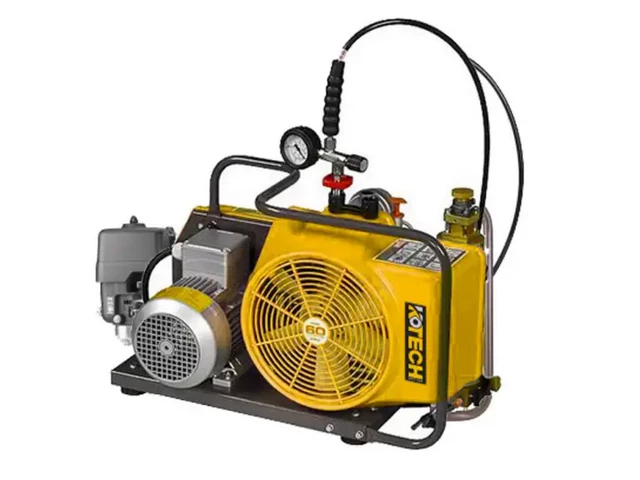
Achieving Peak Performance: Mastering Air Pressure Stabilization in Mining Compressors
It’s not merely a nuisance; it directly impacts drilling rates, tool lifespan, and worker safety. Achieving robust air pressure stabilization for mining compressors isn’t optional; it’s fundamental to operational success.
Why Air Pressure Stability is Non-Negotiable in Mining
In mining, every ounce of efficiency counts. When your air pressure fluctuates, you’re not just losing a little power; you’re compromising the core functions of your pneumatic tools and equipment. Think about a rock drill, a jumbos, or even pneumatic loaders. They’re engineered to perform optimally within a specific pressure range. Drop below that, and you see a dramatic decrease in penetration rate, leading to extended drill times and slower excavation cycles. This directly translates to missed production targets and escalated operational expenditures.
Beyond productivity, there’s the critical aspect of equipment longevity. Tools operating under unstable pressure cycles experience increased stress on internal components, accelerating wear and tear. This means more frequent maintenance, higher spare parts inventory, and ultimately, premature equipment failure. From a safety perspective, unpredictable tool performance due to pressure swings can lead to operator fatigue, loss of control, and increased risk of accidents in an already hazardous environment.
The Hard Numbers: Data Driving Stabilization Efforts
The argument for air pressure stabilization isn’t just theoretical; it’s backed by significant financial and operational data. Businesses are seeing tangible returns on investment by prioritizing this aspect of their compressed air infrastructure.
Moreover, the hidden costs of air leaks are staggering. Imagine pouring a fifth to a third of your energy budget directly into the mine air, not into your tools. Stabilizing pressure means not just managing supply, but also ensuring that supply isn’t wasted. Addressing these leaks is a direct path to pressure stability and significant savings.
Stable air pressure is a foundational element in achieving this efficiency, reducing unscheduled downtime, and maximizing equipment uptime, which is paramount in capital-intensive mining projects.
Engineering Solutions for Consistent Airflow
Achieving consistent air pressure in demanding mining environments requires a multi-faceted approach, combining smart technology with sound engineering practices.
Variable Speed Drive (VSD) Compressors
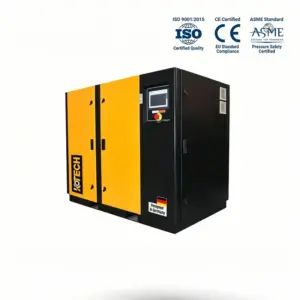
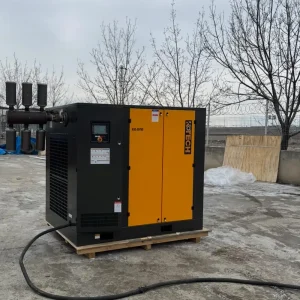
VSD technology is perhaps the single most impactful innovation for air pressure stabilization. Unlike traditional fixed-speed compressors that run at full throttle or shut off, VSD units adjust their motor speed to precisely match the fluctuating air demand. This eliminates the rapid pressure drops and spikes associated with on/off cycling, delivering a much smoother and more consistent airflow.
Optimized Air Receiver Tank Sizing
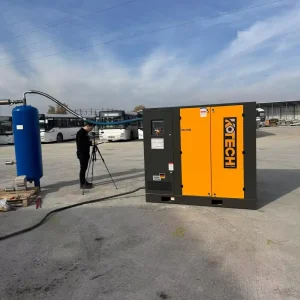
An often-underestimated component is the air receiver. This tank acts as a buffer, storing compressed air and dampening pressure fluctuations, especially during peak demand or when multiple tools kick in simultaneously. Sizing it correctly is crucial. Too small, and it won’t adequately handle demand spikes; too large, and it becomes an inefficient storage vessel. Proper sizing ensures the compressor doesn’t short-cycle, promoting pressure stability and “mining equipment reliability.”
Advanced Control Systems and IoT Integration
Modern mining operations are increasingly leveraging advanced control systems, including SCADA (Supervisory Control and Data Acquisition) and IoT (Internet of Things) devices. These systems provide real-time monitoring of pressure, flow rates, temperature, and energy consumption across the entire compressed air network. Operators can identify pressure drops, potential leaks, or inefficient compressor cycling almost instantaneously. This data is invaluable for proactive adjustments and “predictive maintenance for mining” applications, preventing minor issues from escalating into major operational disruptions.
Proactive Leak Detection and Prevention Programs
Even with the best compressors, leaks in the distribution network can significantly undermine pressure stability. Regular leak detection programs using ultrasonic detectors are essential. Once identified, prompt repair of fittings, hoses, and valves can restore system pressure, reduce energy waste, and improve overall “industrial air systems optimization.” This isn’t a one-time fix; it’s an ongoing commitment to maintaining system integrity.
When Stabilization Isn’t a Silver Bullet: Boundary Conditions
While air pressure stabilization is generally beneficial, it’s important to understand its limitations. This isn’t to say it’s not crucial, but rather to set realistic expectations. For instance, in extremely small, intermittent operations where a pneumatic tool is used for only minutes per day, the capital investment in a sophisticated VSD system might not yield the same rapid ROI as in a continuous, high-demand mine. Old-school, basic fixed-speed piston compressors still have a place in these niche, low-demand scenarios, provided their operational costs are minimal and their use is truly sporadic.
Also, stabilization efforts alone won’t solve problems stemming from fundamentally undersized or oversized compressors for the actual air demand. If your compressor simply cannot produce enough air for your peak requirements, no amount of buffering or VSD technology will magically create more air. Conversely, an oversized unit will short-cycle excessively, even with a VSD, leading to inefficiency. You need the right compressor for the job first.
Furthermore, extreme environmental conditions, such as very high dust levels or corrosive atmospheres, can degrade sensor accuracy and control system reliability over time, potentially impacting the effectiveness of advanced stabilization controls if not properly maintained and protected. These are real-world challenges that require robust, mine-specific solutions, not just off-the-shelf industrial fixes.
Practical Steps for Implementing Pressure Stabilization
Ready to take action? Here’s how you can start implementing effective air pressure stabilization in your mining operations:
- Conduct a Professional Air System Audit: Before making any significant investments, get an expert to audit your current compressed air system. They can identify inefficiencies, quantify air demand, and pinpoint areas for improvement. This establishes a baseline for future optimization.
- Invest in Modern VSD Compressors: If your fleet consists mainly of older, fixed-speed units, prioritize upgrading to VSD technology. Focus on models designed for the rugged demands of mining, offering robust filtration and cooling capabilities.
- Optimize Air Receiver Capacity: Work with your compressor supplier or a compressed air specialist to ensure your air receivers are correctly sized for your peak and average air demands.
- Implement a Regular Leak Detection and Repair Program: Make this a routine part of your maintenance schedule. Train staff on how to use ultrasonic leak detectors and prioritize immediate repairs. This is one of the quickest wins for “cost-saving strategies.”
- Install Advanced Monitoring and Control Systems: Integrate IoT sensors and a centralized control system (SCADA) to gain real-time visibility into your compressed air network. This allows for proactive management and data-driven decision-making.
- Train Your Operators and Maintenance Crews: Empower your team with the knowledge to understand and manage compressed air systems. Proper operation and routine maintenance are crucial for sustained efficiency and stability.
By systematically addressing these areas, mining operations can move beyond reactive fixes to proactive pressure management, ensuring reliable, efficient, and safer operations.