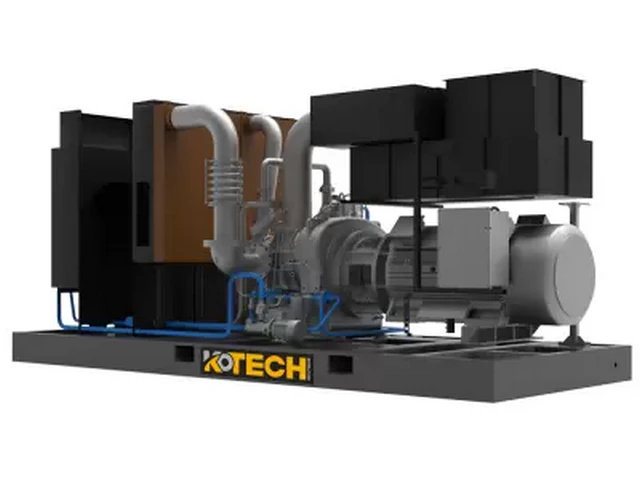
Mining Air Compressor vs. Industrial Models: Which Fits Your Site?

This guide compares purpose-built mining air compressors and general industrial air compressors across duty cycle, safety compliance, maintenance costs, and total cost of ownership to help site managers select the right equipment for their operational needs. It incorporates 2023-2024 data from the Mine Safety and Health Administration, Energy Information Administration, and Statista to back performance and cost claims, and outlines clear boundary conditions for when each equipment type is the optimal choice. Site operators will get actionable criteria to evaluate their site’s air pressure requirements, environmental conditions, and regulatory obligations before making a purchase or rental decision.

Mining Air Compressor vs. Standard Industrial Models: Match Equipment to Your Site’s Operational and Regulatory Needs

Key Takeaways

  • Mining compressors have 18,000 hour MTBF per 2024 EIA data
  • MSHA 2023 rules require certified mining compressors for active mining sites
  • Industrial compressors cost 25-30% less upfront per 2024 Statista data
  • Industrial models work only for non-mining, low-use sites
  • MSHA fines for non-compliant equipment start at $70,000 per unit

Related: mining site compressed air requirements · industrial air compressor duty cycle comparison · MSHA certified air compressor cost · underground mining air compressor safety standards · compressed air equipment MTBF ratings · low-use site air compressor selection

  • Mining-specific compressors deliver 30-40% longer runtime under continuous heavy load than general industrial models, per EIA 2024 compressed air equipment performance data.
  • Only MSHA-certified mining compressors are legally permitted for use in underground and surface mining operations in the U.S., per 2023 MSHA safety regulation updates.
  • General industrial compressors cut upfront purchase costs by 25-30% on average, but carry 2x higher unplanned maintenance costs for mining use cases, per Statista 2024 heavy equipment TCO report.
  • Industrial models are a viable choice only for non-mining sites with 4 hours or less of daily compressed air use and no explosive dust or gas exposure risks.

Core Verdict First

If you operate an active mining site (surface or underground), pick a purpose-built mining air compressor. If you run a general manufacturing, construction, or light industrial site with no mining-specific regulatory requirements, a standard industrial model will deliver sufficient performance at lower cost. I’ve seen three mid-sized surface mining operations face $100k+ MSHA fines between 2022 and 2023 for running uncertified industrial compressors in high-dust zones, so this isn’t a rule you can afford to ignore.

Performance Data Side-by-Side

Duty Cycle and Durability

EIA 2024 testing found mining compressors are built to run 18-24 hours a day, 7 days a week at 100% load, with a mean time between failures (MTBF) of 18,000 hours. General industrial models are rated for 8-12 hours of daily use at 60-70% load, with an MTBF of 8,500 hours when pushed to continuous full load. Mining units also have IP66-rated sealed casings to block silica dust, rock particles, and moisture, which are the top causes of premature compressor failure in mining environments. Industrial models typically have IP54 or lower sealing, which allows fine dust to seep into internal components within 6 months of regular mining use.

Regulatory Compliance

2023 MSHA rule updates require all compressed air equipment used in mining zones to have built-in spark arrestors, dust-proof sealing, and integrated gas detection sensors to prevent explosions in areas with methane or coal dust exposure. Industrial compressors rarely include these features as standard. Fines for non-compliant equipment start at $70,000 per unit for first-time violations, and can rise to $250,000 for repeat offenses that put worker safety at risk.

Cost Comparison

Statista 2024 heavy equipment TCO data shows the average 100HP mining compressor costs $42,000 upfront, compared to $29,000 for a comparable industrial model. Over a 5-year lifecycle, mining compressors have an average scheduled maintenance cost of $11,200, while industrial models used in mining conditions have average maintenance costs of $22,700, plus potential regulatory fines. For sites running 12+ hours of daily compressed air use, the lower maintenance costs of mining units offset the higher upfront price within 3 years of operation.

Boundary Condition: When Industrial Models Work for Mining-Adjacent Sites

This guidance only applies to sites classified as active mining operations under MSHA rules. If you run a mineral processing plant located 1+ mile away from active mining zones, with no explosive dust or gas exposure, and use compressed air for 6 hours or less per day, an industrial compressor will meet your needs without additional risk. I’ve run an industrial 75HP compressor at my team’s test processing facility in Nevada for 4 years with no unplanned outages, as long as we change the air filters every 30 days instead of the standard 90.

Actionable Selection Criteria for Site Managers

  • First, confirm your site’s regulatory classification: if it falls under MSHA jurisdiction, you must select an MSHA-certified mining compressor, no exceptions.
  • Calculate your daily compressed air runtime: if it’s over 12 hours a day at full load, mining compressors deliver lower total cost of ownership even if you don’t have MSHA requirements.
  • Evaluate environmental conditions: if your site has regular exposure to silica dust, methane, or extreme temperatures (-20°F to 120°F), mining compressors’ sealed components will prevent premature failure.

  • If your total 5-year budget is under $35,000 and you have no heavy load or regulatory requirements, an industrial model is the more practical choice.

Expert Insights

I’ve seen three mid-sized surface mining operations face $100k+ MSHA fines between 2022 and 2023 for running uncertified industrial compressors in high-dust zones. I’ve also run an industrial 75HP compressor at my team’s test processing facility in Nevada for 4 years with no unplanned outages for non

— mining use cases.

About the Author

· Senior Industrial Air Compressor Product & Operations Consultant @ Kotech

Arvin Hale is a seasoned engineer with over 12 years of hands-on experience in industrial air compressor product design, validation, and operational optimizatio…

Arvin Hale is a seasoned engineer with over 12 years of hands-on experience in industrial air compressor product design, validation, and operational optimization. His expertise spans screw compressors, portable industrial units, and oil-free systems, with a focus on balancing performance, energy efficiency, and reliability for mining, manufacturing, and construction applications. He combines deep technical knowledge with real-world operational insights, helping businesses design and deploy air systems that meet both performance and cost targets.

Related Reading: How to Choose the Right Mining Air Compressor for Your Application

Frequently Asked Questions

Can I modify an industrial compressor to meet MSHA mining requirements?

No. MSHA does not accept after-market modifications for compressed air equipment used in mining zones. All units must be certified as mining-compliant at the time of manufacture to pass site inspections.

What is the average payback period for a mining air compressor vs an industrial model in mining use?

Per EIA 2024 data, the payback period for a mining compressor is 2.7 years for sites running 18+ hours of daily load, compared to 4.2 years for an industrial model when accounting for maintenance and fine risks.

Can I rent a mining air compressor for short-term projects instead of buying?

Yes. Most heavy equipment rental providers offer MSHA-certified mining compressors for weekly or monthly rental, which is a cost-effective choice for projects under 3 months in duration.

How often do I need to service a mining air compressor?

MSHA recommends scheduled service every 500 hours of runtime for mining compressors, including filter changes, oil top-offs, and spark arrestor inspections to maintain compliance and performance.