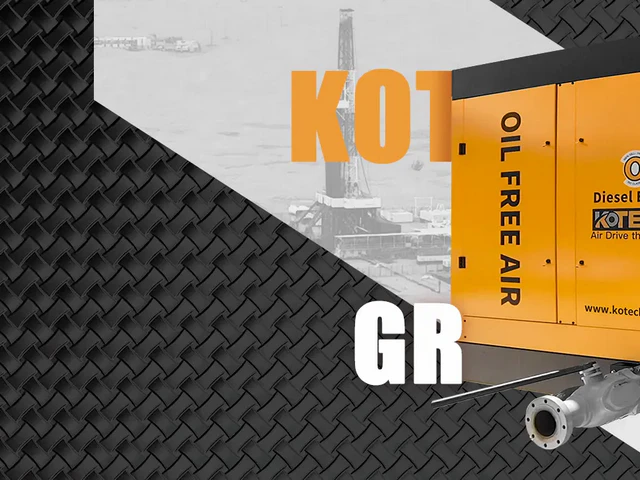
Mastering Mining Air Compressor Reliability
In the mining world, an air compressor isn’t just a piece of equipment; it’s the lungs of your operation. When it goes down, everything from drilling and blasting to ventilation can grind to a halt. The financial hit from unplanned downtime is brutal, often running into tens of thousands of dollars per hour depending on the scale of the mine. Frankly, relying on reactive maintenance is a losing game.
Here are the key insights you need to stay ahead:
- Proactive monitoring is non-negotiable. Waiting for a catastrophic failure is a relic of the past; modern mining demands predictive capabilities.
- Integrated sensor data is your early warning system. Combining vibration, temperature, pressure, and oil analysis provides a holistic view of compressor health.
- AI and Machine Learning are transforming diagnostics. These tools can identify subtle anomalies far before human operators, reducing false positives and accelerating intervention.
- Standardized maintenance protocols are critical. Even with advanced tech, consistent best practices underpin long-term reliability.
- Training and skill development remain paramount. Technology is only as good as the people interpreting its insights and executing the solutions.
The High Cost of Reactive Maintenance in Mining
The imperative for robust fault diagnosis isn’t just about efficiency; it’s about survival. Every minute a compressor is offline means lost production, missed targets, and significant revenue leakage. It’s a direct hit to your bottom line, and that’s before factoring in potential safety risks or environmental impacts.
We’ve seen firsthand how a single compressor failure can cascade through an entire mining process. It’s not just the compressor itself; it’s the drills, the pneumatic tools, the ventilation systems, and even the emergency breathing apparatus that rely on that consistent air supply. This makes effective fault diagnosis and preventative measures not merely good practice, but an operational necessity.
Shifting Gears: From Breakdown to Breakthrough
Modern mines demand sophisticated asset management strategies. This means leveraging technology to predict potential failures before they occur, allowing for scheduled, less costly interventions.
These aren’t minor improvements; they represent massive gains in operational efficiency and profitability. Implementing a robust fault diagnosis system is the cornerstone of achieving these kinds of results.
Advanced Technologies for Mining Air Compressor Fault Diagnosis
The landscape of industrial diagnostics has evolved dramatically. We’re no longer just listening for strange noises or waiting for pressure drops. Today’s solutions are data-driven, leveraging an array of sensors and intelligent analytics to provide unprecedented visibility into compressor health.
Integrated Sensor Systems and Condition Monitoring
The core of modern fault diagnosis lies in continuous condition monitoring. This involves deploying a suite of sensors to track key operational parameters:
- Vibration Analysis: This is a cornerstone for detecting mechanical issues like bearing wear, rotor imbalance, shaft misalignment, or loose components. Anomalies in vibration signatures often precede catastrophic failure by weeks or even months.
- Oil Analysis: Regular sampling and laboratory analysis of compressor oil can reveal wear metals, contaminants (like water or dust), and oil degradation. This indicates issues with lubrication, filtration, or internal component wear.
- Thermal Imaging (Thermography): Infrared cameras can identify abnormal heat signatures in motors, bearings, or electrical connections, signaling excessive friction, electrical faults, or blockages.
- Pressure & Temperature Monitoring: Real-time tracking of air pressure (inlet, discharge, inter-stage) and temperature (ambient, discharge, oil) can quickly flag operational inefficiencies, valve issues, or cooling system problems.
- Acoustic Monitoring: While often overlooked, advanced acoustic sensors can detect subtle changes in sound patterns, indicating issues like air leaks, valve flutter, or cavitation.
The Rise of IIoT and AI-Driven Diagnostics
IIoT platforms collect vast amounts of sensor data, transmitting it wirelessly to centralized systems. AI and machine learning algorithms then process this data, identifying patterns and anomalies that would be impossible for human operators to detect in real-time.
These AI systems can learn the “normal” operational baseline for each compressor, accounting for environmental variables and load fluctuations. When deviations occur, the system can not only flag the anomaly but often suggest the probable root cause and even recommended corrective actions. This drastically reduces diagnostic time and ensures more precise interventions.
Actionable Solutions and Best Practices
Implementing advanced fault diagnosis isn’t just about buying new tech; it requires a holistic approach that integrates technology, processes, and people.
Establishing a Robust Condition Monitoring Program
- Sensor Integration: Start by equipping critical compressors with a comprehensive suite of sensors. Prioritize wireless solutions for ease of deployment, especially in underground or remote mining environments.
- Baseline Data Collection: Run compressors under various load conditions to establish healthy operational baselines. This data is vital for training AI models and setting accurate alert thresholds.
Leveraging AI and Analytics for Predictive Insights
- Machine Learning Models: Deploy ML algorithms to analyze historical and real-time data. These models can predict remaining useful life (RUL) for components and identify incipient failures.
- Alert and Notification Systems: Configure intelligent alert systems that notify maintenance teams of critical anomalies via SMS, email, or integrated work order systems. Prioritize alerts based on severity and potential impact.
- Root Cause Analysis Integration: Use diagnostic software that helps pinpoint the underlying cause of a fault, not just the symptom. This prevents recurring issues.
Implementing Proactive Maintenance Strategies
Even the best technology needs a solid operational framework. This means moving beyond reactive repairs to truly proactive maintenance:
- Scheduled Preventative Maintenance (PM): Adhere strictly to manufacturer-recommended service intervals. This includes routine filter changes, fluid checks, and general inspections.
- Condition-Based Maintenance (CBM): This is where your diagnostic data directly informs maintenance decisions. Instead of replacing a bearing every 5,000 hours, you replace it when vibration analysis indicates significant wear, maximizing component life without risking failure.
- Spare Parts Management: Ensure critical spare parts are readily available, especially for components identified as high-risk by your diagnostic system. This minimizes downtime once a fault is detected.
- Training and Skill Development: Your maintenance technicians need to be proficient not only in traditional mechanical skills but also in interpreting diagnostic data and using advanced software tools. Continuous training is essential.
Boundary Conditions and Considerations
While these advanced technologies offer immense benefits, they aren’t a one-size-fits-all solution. For smaller mining operations with a limited number of critical compressors, a full-scale IIoT and AI deployment might be overkill initially. In such cases, a robust manual condition monitoring program combined with targeted vibration analysis and oil sampling might be a more cost-effective starting point. Conversely, older legacy compressors might require significant retrofitting for sensor integration, which needs to be weighed against the cost of replacement. The environmental conditions in mining—dust, extreme temperatures, vibrations—also require ruggedized sensors and robust data transmission infrastructure, which adds to the initial investment.
Mining Air Compressor Fault Diagnosis: Common Issues & Quick Checks
Even with advanced systems, knowing the common culprits helps. Here’s a quick rundown of frequent issues and initial diagnostic steps:
Loss of Pressure / Low Flow
- Potential Causes: Leaks in the air distribution system, clogged air filters, worn compressor rings/valves, intake valve not opening fully, motor speed issues.
- Quick Check: Inspect for audible leaks, check filter differential pressure, monitor motor RPM, listen for unusual sounds from the intake.
Overheating
- Potential Causes: Insufficient ventilation, dirty coolers, low oil level, faulty thermostat, clogged oil filter, worn bearings.
- Quick Check: Verify cooling fan operation, clean heat exchangers, check oil levels and quality, use a thermal gun to spot hot zones.
Excessive Noise or Vibration
- Potential Causes: Loose components, worn bearings, shaft misalignment, motor issues, unbalanced rotating parts, foundation problems.
- Quick Check: Visually inspect for loose bolts, listen for specific types of noise (grinding, knocking), check for excessive movement, consider a basic vibration check with a handheld meter.
Oil in Discharge Air
- Potential Causes: Worn piston rings (for reciprocating), damaged oil separator, excessive oil level, incorrect oil type.
- Quick Check: Check oil level, inspect oil separator element, verify oil specification.
The Future of Mining Compressor Reliability
The trajectory is clear: more data, smarter analytics, and increasingly autonomous systems. We’re moving towards a future where compressors self-diagnose, communicate their needs, and even order their own replacement parts. While fully autonomous mines are still some ways off, the groundwork is being laid today through these advanced diagnostic technologies. Investing in these solutions isn’t just about fixing problems; it’s about building resilience and ensuring continuous, safe, and profitable mining operations.