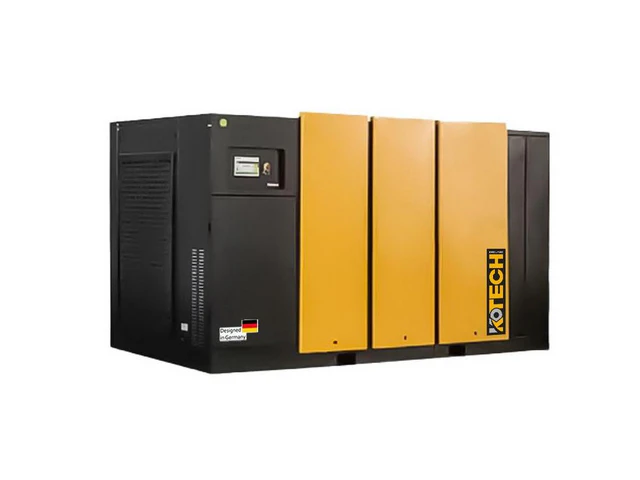
Mastering Heat Dissipation in Mining Air Compressors
The Critical Imperative of Effective Heat Dissipation for Mining Compressors
Let’s be blunt: if your mining air compressor isn’t shedding heat efficiently, you’re losing money, plain and simple. High operating temperatures are a silent killer, leading to premature component wear, lubricant degradation, and significantly increased energy consumption. Ignoring this isn’t an option; it’s a direct path to unscheduled downtime and inflated operational costs. We’re talking about machinery that’s often pushed to its limits in some of the most challenging environments on the planet. Proper thermal management isn’t a luxury; it’s foundational to maintaining productivity and asset longevity.
The Data Speaks: Quantifying Heat’s Impact on Compressor Performance
The numbers don’t lie when it comes to the detrimental effects of uncontrolled heat. This isn’t just about comfort; it’s about hard cash and operational viability.
Energy Drain and Lifespan Reduction
Excess heat directly translates into higher energy bills. A compressor working harder to cool itself or operating at elevated temperatures consumes more power. Beyond energy, heat is a component destroyer.
Market Trends: The Push for Advanced Thermal Solutions
The industry is responding to these challenges with innovation. It indicates a clear industry trend towards proactive and sophisticated heat management.
Understanding the Mechanics: Why Mining Compressors Get So Hot
Mining air compressors generate immense heat through several mechanisms. The primary culprits are the compression process itself, friction from moving parts, and motor inefficiency. In a mining environment, these factors are exacerbated by high ambient temperatures, often limited ventilation in underground operations, and the constant presence of dust and debris that can foul heat exchangers. When the air is compressed, its temperature rises significantly. Without efficient intercoolers between compression stages and aftercoolers to reduce discharge air temperature, this heat builds up rapidly. This isn’t rocket science; it’s basic thermodynamics meeting harsh reality.
When Standard Solutions Fall Short: Boundary Conditions and Counter-Examples
It’s crucial to understand that a “one-size-fits-all” approach to heat dissipation simply doesn’t work for mining applications. What performs admirably in a temperate climate factory might utterly fail underground or in an open-pit mine during summer.
The Air-Cooled vs. Water-Cooled Dilemma
For instance, air-cooled compressors are often simpler to install and maintain, making them attractive for remote sites where water infrastructure is scarce. However, their efficiency plummets in high ambient temperatures or dusty environments where cooling fins become easily clogged. In contrast, water-cooled compressors offer superior heat transfer and more stable operating temperatures, essential for large, continuous operations. But they demand a reliable, clean water supply and robust water treatment systems, which can be a significant hurdle in arid mining regions or where water quality is poor. The decision hinges entirely on your specific site conditions, water availability, and the scale of your operation. Air-cooled units, for example, are generally not suitable for continuous heavy-duty operation in ambient temperatures consistently exceeding 40°C (104°F) without significant derating or specialized auxiliary cooling.
Actionable Strategies: Enhancing Heat Dissipation for Mining Air Compressors
Optimizing heat dissipation requires a multi-faceted approach, combining smart equipment selection, proactive maintenance, and strategic environmental management.
1. Optimize Intercoolers and Aftercoolers
These are your first line of defense. Ensure your intercoolers, which cool the air between compression stages, and aftercoolers, which cool the air before it enters the air receiver, are properly sized for your compressor’s capacity and the ambient conditions.
- Material Selection: Consider coolers made with materials resistant to corrosion and fouling, especially if dealing with aggressive mine dust or water sources.
- Bypass Systems: For very cold environments, ensure you have a bypass system to prevent overcooling, which can lead to moisture condensation issues.
2. Implement Smart Ventilation and Airflow Management
Effective airflow around the compressor package is paramount.
- Dedicated Ventilation: Ensure compressor rooms or enclosures have dedicated intake and exhaust ventilation systems. Hot air must be expelled quickly and replaced with cooler ambient air.
- Ducting: Direct hot exhaust air away from the intake of other equipment or back into the compressor’s own intake. Proper ducting can prevent hot air recirculation, which is a common but often overlooked problem.
- Filtration: High-efficiency intake filters are critical, not just for the compressor’s internal components but also for keeping the cooling system clean.
3. Leverage Advanced Lubricants and Cooling Fluids
The right lubricants do more than just reduce friction; they play a crucial role in heat transfer.
- Synthetic Lubricants: Invest in high-quality synthetic compressor lubricants designed for high-temperature operation. They offer superior thermal stability and heat transfer properties compared to conventional mineral oils.
- Coolant Additives: For water-cooled systems, use appropriate coolant additives to prevent scale buildup and corrosion, which can severely impede heat exchange.
4. Integrate Variable Speed Drives (VSDs) and Smart Controls
VSD technology offers significant advantages beyond just energy savings.
- Reduced Heat Generation: By matching compressor output to demand, VSDs reduce instances of “blow-off” or “idle” operation, where energy is wasted and heat is still generated without productive work. This can reduce overall heat load.
- Optimized Cooling Fan Control: Many modern VSD compressors also have VSD-controlled cooling fans, which only run at the speed necessary to maintain optimal temperature, saving energy and providing precise thermal management.
5. Embrace Predictive Maintenance and Monitoring
Real-time data is your best friend in preventing overheating.
- Temperature Sensors: Install sensors at critical points (discharge air, oil temperature, motor windings) and integrate them with your SCADA or asset management system.
- Thermal Imaging: Regular thermal imaging surveys can identify hot spots and potential cooling system blockages before they escalate into major failures.
- Oil Analysis: Periodic oil analysis will detect lubricant degradation early, indicating potential overheating or contamination issues. This proactive approach saves significant repair costs down the line.
6. Consider Auxiliary and Hybrid Cooling Solutions
For extreme conditions, sometimes the standard setup isn’t enough.
- Evaporative Coolers: In dry, hot climates, evaporative coolers can pre-cool intake air, significantly reducing the load on the compressor’s primary cooling system.
- Radiator Upgrades: For air-cooled units, consider oversized radiators or those with enhanced fin designs for better heat dissipation.
- Hybrid Systems: Explore hybrid air/water cooling solutions that offer flexibility and redundancy, especially for mission-critical applications where downtime is unacceptable.
The Bottom Line: Proactive Thermal Management Pays Off
In mining, every minute of uptime counts. Effective heat dissipation isn’t just about keeping your compressor from melting down; it’s about maximizing its efficiency, extending its operational life, and ensuring predictable performance. By investing in the right technologies and adopting a proactive maintenance mindset, you’re not just buying cooling; you’re buying reliability, energy savings, and peace of mind. For us in the field, knowing your equipment can withstand the heat is knowing your operation can continue to run.