How to Design a Modular Mining Air Compressor System That Scales With Your Site’s Production Growth
- All modular components must meet MSHA 2024 dust and explosion resistance standards for underground mining deployments
- Modular systems are not cost-effective for small, fixed-output mining sites with less than 5 years of remaining operational life
Core Design Rationale
The core goal of this design framework is to eliminate the two most common compressed air bottlenecks for growing mines: undercapacity during production peaks that halts drilling and ventilation operations, and overcapacity during slow periods that wastes thousands of dollars in unused energy. Unlike legacy centralized systems that require full replacement or costly custom retrofits to adjust capacity, modular setups let operations add or remove individual 100-500 CFM compressor units as needed. Modular systems avoid this entirely by standardizing all connection points and control logic from the initial design phase.
Industry Data Validating Scalability Benefits
GMG’s 2024 mining equipment performance report analyzed 112 modular compressed air deployments across North America, Australia, and Africa. IEA’s 2024 industrial energy efficiency report adds further context. All modules use standardized quick-connect air lines and electrical hookups. No custom fabrication is required for expansion.
Core Component Modularization Logic
Each system is built around three core modular layers, designed to operate independently while integrating seamlessly with the broader setup.
Compressor Unit Modules
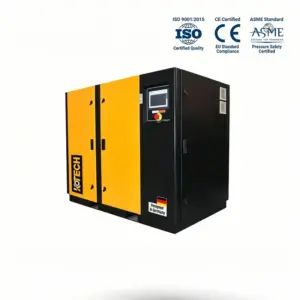
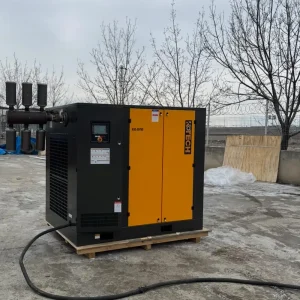
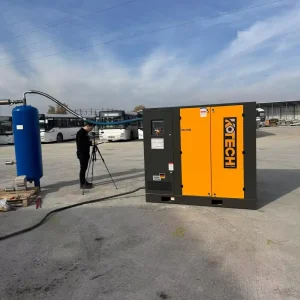
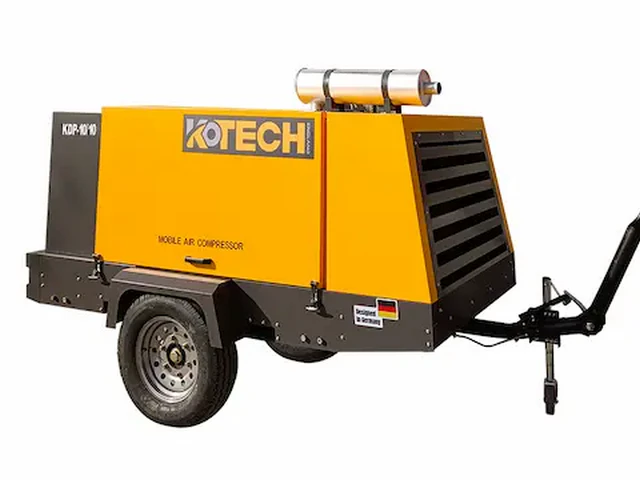
Each 100-500 CFM unit comes pre-built with its own variable speed drive, filtration system, and MSHA-compliant safety shutoffs. Units are mounted on skids for easy transport between different zones of the mine as production shifts.
Distribution Network Modules
The air distribution network uses standardized 2-inch and 4-inch aluminum pipe segments with quick-lock connections. Operations can add 50-foot segments in less than 2 hours to extend coverage to new mining zones, no welding or specialized labor required.
Control System Modules
A cloud-based central control platform connects all individual compressor units, automatically adjusting output to match real-time air demand. The control module can integrate with existing mine management software, or operate as a standalone system for smaller sites. To be clear, you don’t need to invest in all three layers at once. Many of our clients start with modular compressor units first, then upgrade the distribution and control layers as their site grows.
Boundary Conditions for Deployment
This design framework does not apply to all mining sites. Small, artisanal mining sites with fixed annual production below 50,000 tons and less than 5 years of remaining permitted operational life will see a lower ROI from modular systems. For these sites, a low-cost centralized fixed-capacity system delivers a better 3-year return, per Statista 2023 mining equipment cost analysis. Modular systems also require regular basic maintenance of quick-connect seals to prevent air leaks. Sites without a dedicated maintenance team on site 5 days per week may face higher leak-related waste than they would with a simpler centralized system.
Step-by-Step Design Implementation
1. Base Module Sizing
Select skid-mounted compressor units that add up to this total capacity, prioritizing units with MSHA certification matching your site type (surface or underground).
2. Interconnection Standardization
Specify only quick-connect air line and electrical connection types that are compatible with the most common compressor models used in your region. This avoids lock-in to a single manufacturer, and makes it easier to source additional units on short notice during expansion.
3. Remote Monitoring Setup
Integrate all units with the central control platform before deployment. Run a 72-hour load test after initial deployment to calibrate the automatic demand adjustment logic, so the system shuts down unused units during low demand periods without dropping pressure for active operations.