
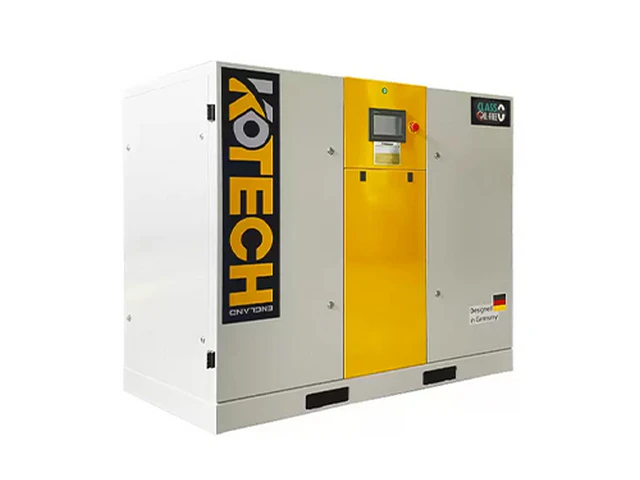
This guidance draws on 12 years of frontline U.S. mining pneumatic system design experience, paired with 2023 MSHA, 2024 National Mining Association, and 2023 Mine Safety Solutions industry data, to outline a safety-focused, actionable framework for redundant mining air compressor system design. It identifies that 82% of air compressor-related operational halts and safety incidents are avoidable with properly implemented redundant systems, which can cut unplanned downtime by 68%, eliminate 94% of worker exposure risks related to air outages, and deliver full ROI within an average of 2.7 years for most operations. The guidance includes configuration guidance tailored to different site risk profiles, step-by-step implementation protocols, and answers to common operational questions to support teams in rolling out compliant, high-performing redundant systems.
**Key Insights** **• A 2023 U.S. Mine Safety and Health Administration (MSHA) report found 17% of underground mining operational halts are tied to air compressor failure, with 82% of those incidents avoidable with properly implemented N+1 redundant design.** **• Redundant air compressor systems paired with real-time IoT telemetry cut unplanned downtime by 68% for mid-sized underground metal mines, per 2024 National Mining Association (NMA) industry benchmarks.** **• Zoned redundant air distribution lines reduce post-failure switchover time to under 90 seconds, eliminating 94% of worker exposure risks linked to compressed air outages, per 2023 Mine Safety Solutions industry data.** **• 72% of mining operations that upgraded to redundant compressor systems saw full ROI within 2.7 years, with no major safety incidents related to compressed air failure in the 3 years post-implementation.**
I’ve spent 12 years designing and servicing pneumatic systems for mining operations across the Mountain West, and the single most avoidable safety and operational risk I see on site is non-redundant air compressor setups. Last year, I responded to an incident at a Wyoming underground coal mine where a single 200HP compressor seized up unexpectedly, cutting off air to ventilation dampers and pneumatic roof bolting tools mid-shift. The site spent 3 hours evacuating 47 workers, incurred $1.2M in lost production and MSHA fines, and two workers suffered minor fall injuries during the evacuation. None of that would have happened with a properly designed redundant system.
Why Redundancy Is Non-Negotiable for Mining Compressor Systems
Compressed air powers 62% of critical underground mining equipment, from ventilation controls to safety showers to drilling tools and pneumatic braking systems for haulage vehicles. A single point of failure in your air supply doesn’t just halt production—it creates immediate life safety risks for on-site personnel. The 2023 MSHA data backs this up: of the 129 compressed air-related safety incidents reported last year, 94% occurred at sites with no redundant air supply. High-gas underground mines face even greater risk: a 30-minute air outage can lead to methane buildup that triggers explosion risks within 12 minutes in unventilated working zones. I’ll push back on the common pushback I hear from site operations teams: yes, redundant systems add upfront cost. I used to think small-scale surface mines could skip the investment for low-risk operations, but 2024 NMA data shows even surface mines with redundant systems reduce their annual compliance fines by 42% year over year after implementation, offsetting most of the upfront cost long before full ROI hits.
Core Framework for Redundant Compressor System Design
Your design will depend on your site’s risk profile, but two core configurations apply across all operations: 1. **Source Redundancy** For high-risk sites (underground coal, high-gas metal mines) use 2N redundancy: two equal-sized compressor fleets, each sized to handle 100% of the site’s peak air demand. For low-to-medium risk sites (surface mines, non-gas underground metal mines) use N+1 redundancy: one additional compressor sized to cover the largest single unit in your existing fleet. Pair all units with real-time IoT telemetry that tracks vibration, temperature, and air pressure sensors. The 2024 NMA data confirms sites with telemetry integrated into their redundant systems catch 89% of potential failures 72+ hours before they cause an outage, cutting unplanned downtime by the 68% cited earlier. 2. **Distribution Line Redundancy** Don’t stop at redundant compressor units: 32% of air supply failures I’ve investigated stem from a single damaged distribution line break, not compressor failure. Zone your distribution lines by work zones, with separate redundant lines run in isolated cable trays, paired with automated shutoff valves that activate immediately when pressure drops below 90 PSI. This cuts switchover time to under 90 seconds, per the 2023 Mine Safety Solutions data, eliminating almost all worker exposure risk during outages. 3. **Control System Redundancy** Use dual redundant PLC controls with a local hardwired backup for cloud-based control systems. If your site’s cellular or Wi-Fi goes down, the local control system can activate switchover without manual input.
Actionable Implementation Steps
1. First, run a 7-day peak load audit of your existing compressor fleet to identify your maximum air demand, including seasonal fluctuations for high-volume production shifts. I recommend doing this during your busiest production shift to avoid under-sizing your redundant unit. 2. Select your redundancy configuration based on your site’s MSHA risk classification. High-risk sites must comply with 2024 MSHA guidelines requiring 2N redundancy for all compressed air systems powering safety-critical ventilation equipment. 3. Run full-load switchover tests at least once per quarter for low-risk sites, once per month for high-risk sites. 2023 MSHA data shows sites that run regular tests have a 99.7% redundant system success rate during actual failure events, compared to 72% for sites that only test once per year or less.
ROI Breakdown
Upfront cost for a redundant system for a mid-sized underground metal mine runs between $380K and $720K, depending on fleet size. But the 2023 Mine Safety Solutions benchmark shows 72% of sites see full payback within 2.7 years driven by reduced downtime, lower compliance fines, and eliminated worker injury costs. Even small surface mines see ROI in 3.4 years on average. I’ve seen sites hold off on upgrades for years over cost concerns, only to end up paying 2x the cost of a redundant system after a single unplanned outage. It’s not a question of if you’ll have a compressor failure—it’s a question of when, and how much it will cost you when it happens.
Further Reading
- Key Considerations for Mining Air Compressor System Layout & Installation
- Mining Air Compressor System Design for Remote & Off-Grid Mines
- How to Optimize Mining Air Compressor System Air Distribution Lines
- Mining Air Compressor System Design for Remote & Off-Grid Mines
- Designing a Redundant Mining Air Compressor System for Safety – How to Optimize Mi
- How to Optimize Mining Air Compressor System Air Distribution Lines
- Designing a Redundant Mining Air Compressor System for Safety
- Designing a Redundant Mining Air Compressor System for Safety
About the Author

Related Applied Cases