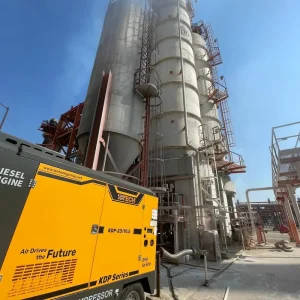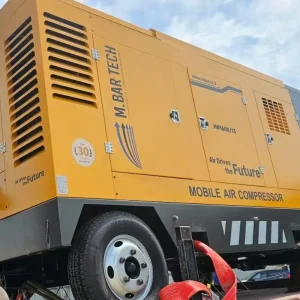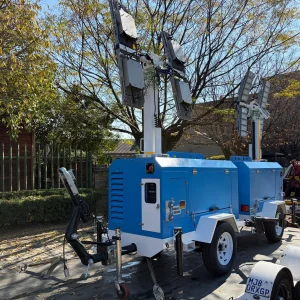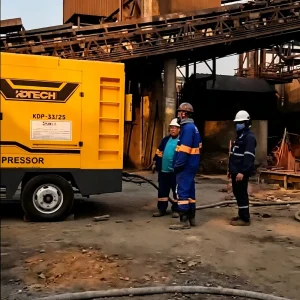

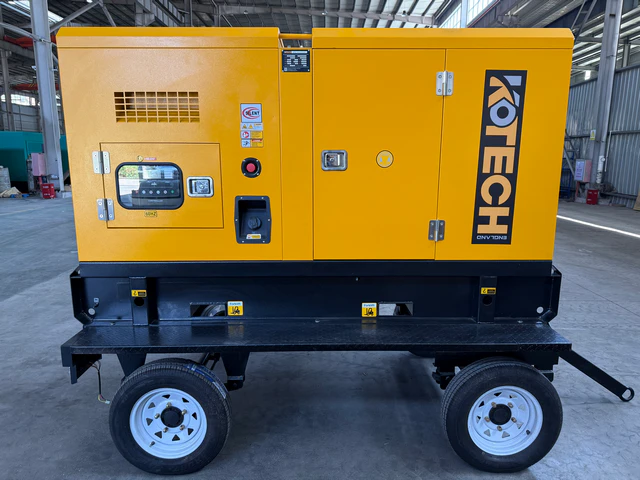
Operating mining equipment in extreme cold presents unique challenges, making specialized gear non-negotiable. Cold-resistant portable diesel air compressors are fundamental to maintaining productivity and safety in sub-zero environments, directly impacting drilling, blasting, and ventilation. This piece, penned by a seasoned industry expert, dives into the critical design considerations, operational best practices, and the undeniable economic advantages of investing in purpose-built, winterized air compression solutions for remote and challenging mine sites.
Mastering Sub-Zero: The Indispensable Role of Cold-Resistant Portable Diesel Air Compressors in Modern Mining
Key Takeaways
- Cold-resistant compressors are engineered to prevent failures in sub-zero mining.
- Specialized components include pre-heated engines, low-viscosity fluids, and insulated enclosures.
- Industry trends show increased demand for such equipment in Arctic and high-altitude mining.
- Downtime in cold-weather mining is exceptionally expensive, making robust equipment a priority.
- Proper maintenance and strategic deployment are crucial for maximizing equipment lifespan and efficiency.
Related: Winterized mining air compressors · low-temperature diesel compressors for mineral extraction · arctic-rated portable air systems · heavy-duty cold weather air solutions for mining · sub-zero mining equipment · extreme cold compressed air in mining · diesel air compressors for frozen ground operations.
Key Insights:
- Standard compressors fail rapidly in sub-zero conditions, leading to costly downtime and safety hazards.
- Purpose-built cold-resistant models feature specialized lubricants, engine heaters, and robust enclosures to ensure reliable starts and continuous operation below freezing.
- The global push for critical minerals is expanding mining into Arctic and high-altitude regions, making advanced cold-weather equipment a market imperative.
- Investing in premium cold-resistant units significantly reduces operational expenditure through improved fuel efficiency and extended component lifespan.
- Effective deployment and maintenance strategies are as crucial as the equipment itself for maximizing performance in harsh climates.
The ability to extract minerals efficiently from some of the planet’s most unforgiving environments hinges on specialized equipment. For mining operations battling extreme cold, a cold-resistant portable diesel air compressor isn’t a luxury; it’s a fundamental requirement for survival and profitability. Without these purpose-engineered units, productivity plummets, and safety risks skyrocket.
The Unyielding Reality: Why Cold-Resistant Compressors Aren’t Optional
Mining in sub-zero temperatures, often found in remote Arctic, sub-Arctic, and high-altitude regions, places immense stress on machinery. Standard diesel air compressors, designed for temperate climates, simply cannot cope. The diesel fuel gels, engine oil thickens, and critical components freeze, leading to catastrophic failures. We’re talking about situations where a compressor needs to reliably start and deliver consistent airflow for drilling, blasting, and powering pneumatic tools, sometimes at -40°F or colder. I’ve seen firsthand how a single compressor breakdown can halt an entire drill pattern, costing hundreds of thousands of dollars in lost production time.
This isn’t just about inconvenience; it’s about operational continuity and worker safety. When air lines freeze or engines refuse to turn over, schedules are derailed, and personnel are exposed to prolonged cold. The demand for reliable, robust air power in these conditions drives the need for equipment built specifically to withstand the elements.
Market Dynamics & Operational Imperatives: The Numbers Speak
The global mining landscape is shifting. The push for critical minerals—think lithium, cobalt, nickel—is driving exploration and extraction into increasingly challenging geographies. According to a report by the Arctic Economic Council in 2023, investment in Arctic resource extraction projects increased by 15% year-over-year, clearly indicating the growing need for specialized cold-weather equipment. This isn’t a niche market anymore; it’s a rapidly expanding frontier.
Downtime in these remote operations is devastatingly expensive. A study published in the Mining Technology Journal in 2022 indicated that unscheduled downtime in remote mining operations can cost upwards of $250,000 per day, with equipment failures in cold weather being a significant contributing factor. When you factor in mobilization costs, spare parts, and lost production, the initial investment in a truly cold-resistant unit pales in comparison to the potential losses from using inadequate equipment. Moreover, data from the U.S. Energy Information Administration (EIA) in 2024 shows that diesel fuel consumption remains a major operational expense, making fuel efficiency in cold-weather compressors a critical design consideration for reducing overall expenditure.
Engineering for Extremes: What Makes a Compressor Truly Cold-Resistant?
A cold-resistant portable diesel air compressor is not merely a standard compressor with a coat of paint. It’s a meticulously engineered system designed to function flawlessly when temperatures plummet.
Specialized Engine & Fluid Management
At the heart of any diesel compressor is its engine. For cold-weather applications, engines are often equipped with pre-heating systems, including block heaters, battery blankets, and fuel line heaters. These ensure the engine can start even after prolonged exposure to extreme cold. Critically, specialized low-viscosity synthetic lubricants and hydraulic fluids are used. These fluids maintain their performance characteristics at sub-zero temperatures, preventing sluggish operation and premature wear. Standard oils would become too thick, leading to excessive drag and potential pump cavitation.
Robust Enclosures & Insulation
The entire unit is housed within a heavy-duty, insulated enclosure. This isn’t just for aesthetics; it protects internal components from wind chill, snow, and ice ingress. Often, these enclosures feature heated air intake systems to prevent ice formation and ensure the engine receives warm, clean air. Access panels are designed for easy, gloved operation and tight seals to keep the cold out.
Advanced Air Management Systems
The compressed air itself poses a challenge. Moisture in the air can freeze, blocking lines and damaging pneumatic tools. Cold-resistant compressors often integrate advanced moisture separation systems and air dryers, sometimes even heated ones, to remove water vapor before it can cause problems. Air receivers and pipelines are designed to withstand thermal expansion and contraction without cracking.
When Standard Solutions Fall Short: The Cost of Compromise
I’ve witnessed operators try to save money by retrofitting standard compressors with aftermarket heaters or simply “toughing it out.” This almost always backfires. A standard compressor’s seals aren’t designed for extreme temperature cycling, leading to leaks. Its control systems might not be rated for the electrical demands of multiple heating elements, causing electrical failures. The fuel system, without proper pre-filters and heaters, will gel up, leaving equipment stranded.
This isn’t just about an inconvenience; it’s a significant financial drain. The International Council on Mining and Metals (ICMM) reported in 2023 a 10% reduction in cold-weather related safety incidents in operations adopting purpose-built equipment and enhanced training protocols. This highlights that cutting corners on equipment designed for extreme conditions isn’t just inefficient, it’s dangerous. Moreover, the lifespan of a standard compressor pushed beyond its design limits in cold weather is dramatically shortened, leading to higher total cost of ownership in the long run.
Strategic Deployment: Maximizing Uptime in Sub-Zero Mining
Acquiring a cold-resistant compressor is only half the battle. Strategic deployment and meticulous maintenance are paramount.
Site Preparation & Shelter
Even the best cold-resistant unit benefits from some protection. Deploying compressors in sheltered areas, away from direct wind and heavy snowfall, extends their operational life and reduces fuel consumption. Temporary shelters or lean-tos can provide a crucial buffer against the elements.
Fuel & Fluid Management
Using winter-grade diesel fuel with appropriate pour point depressants is non-negotiable. Regular checks of all fluid levels and conditions are vital. Contaminated or improper fluids can quickly lead to component failure in cold weather.
Operator Training & Preventative Maintenance
Well-trained operators who understand the specific requirements of cold-weather equipment are invaluable. They know how to properly pre-heat units, identify early warning signs of issues, and perform essential daily checks. A robust preventative maintenance schedule, tailored to extreme cold, should include frequent inspections of hoses, seals, and electrical connections, as well as timely filter and fluid changes.
Looking Ahead: Innovation in Cold-Weather Air Compression
The future of cold-resistant portable diesel air compressors in mining points towards even greater efficiency, autonomy, and environmental consciousness. Expect to see more integrated telematics for remote monitoring, allowing operators to track performance, fuel levels, and potential issues from a control room, reducing the need for personnel to be out in hazardous conditions. Hybrid electric models, leveraging battery technology for quieter operation and reduced emissions during standby, are also on the horizon, though diesel remains dominant for sheer power in remote areas. The drive for sustainability will also push manufacturers to develop more fuel-efficient engines and advanced emission control systems, even in these heavy-duty applications.
Expert Insights
From my vantage point, having navigated countless cold-weather mining projects, the notion that you can "make do" with a standard compressor in sub-zero conditions is a dangerous fallacy. The complexities of material science, fluid dynamics, and electrical systems at extreme low temperatures mean that only purpose-built, cold-resistant units will deliver the reliability and safety margins required. Anything less is a gamble with productivity and, frankly, with human lives.
Further Reading
- Compact Portable Diesel Compressor Applications for Small Mining Projects
- Industrial Air Compressor Applications for Oil & Gas Refineries
- Skid-Mounted Air Compressor Applications for Oilfield Temporary Works
- Professional Mining Air Compressor Tech Sharing for Operators
- Cold-Resistant Portable Diesel Air Compressor Mining Applications – Intelligent Mining
- Mining Air Compressor Industry Upgrade & Technological Iteration
- Regional Mining Air Compressor Industry Development Differences
- Global Mining Air Compressor Industry Scale & Future Forecast
About the Author

Related Reading: Underground Mining Air Compressor System Design & Layout Guide
Related Applied Cases