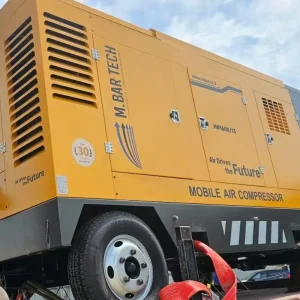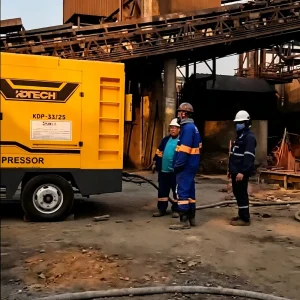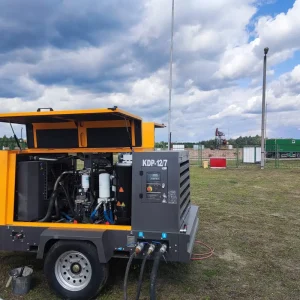

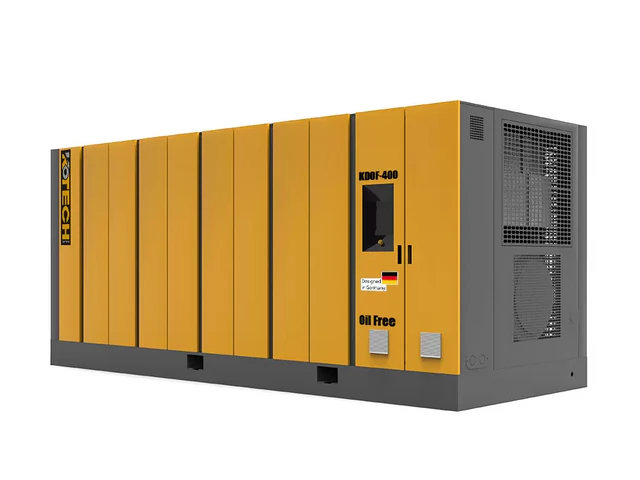
Skid-mounted air compressors are the backbone of temporary oilfield operations, delivering robust, reliable pneumatic power essential for everything from drilling support to well servicing. Their inherent mobility and durability make them indispensable for remote, harsh environments, directly impacting operational efficiency and safety. Understanding their specific applications and deployment nuances is crucial for optimizing well site productivity and mitigating costly downtime.
Mastering Skid-Mounted Air Compressor Deployment in Oilfield Temporary Operations
Key Takeaways
- Skid-mounted compressors are vital for oilfield temporary operations due to their durability and mobility.
- They support diverse applications including drilling, well servicing, instrument air, and nitrogen generation.
- Market trends show sustained demand for flexible, reliable oilfield equipment.
- Modern units offer significant fuel savings (30-50% with VSD) and lower OpEx.
- Proper deployment and maintenance are crucial for maximizing uptime and minimizing costs.
- Future innovations include integrated systems and advanced remote monitoring for enhanced efficiency and safety.
Related: Portable air compression · mobile well servicing · drilling support equipment · instrument air for oil rigs · temporary power solutions · heavy-duty industrial compressors · remote site operations · energy sector equipment rental · pneumatic tool supply · nitrogen generation.
Key Insights:
- Skid-mounted air compressors are critical for rapid, reliable pneumatic power in temporary oilfield settings.
- Their robust design withstands harsh environments, minimizing downtime and maximizing operational uptime.
- Optimal deployment requires careful consideration of power source, air quality, and maintenance accessibility.
- Investing in modern, fuel-efficient units significantly reduces operational expenditure (OpEx) on remote sites.
- Future trends point towards advanced monitoring and automation, further enhancing efficiency and safety.
Why Skid-Mounted Compressors Are Non-Negotiable for Temporary Oilfield Operations
In the oil and gas industry, especially for temporary works, getting reliable power to a remote site is often half the battle. Skid-mounted air compressors aren’t just an option; they’re an absolute necessity. These robust units provide the critical pneumatic muscle for countless operations, from powering heavy-duty tools to supplying instrument air for sensitive controls. Their design, built for mobility and extreme durability, allows for rapid deployment and consistent performance in the kind of harsh, unpredictable environments oilfields are famous for. Without them, many temporary drilling, completion, or maintenance projects would simply grind to a halt, or worse, never even start.
The Market Reality: Demand and Operational Imperatives
The global oilfield services market is a dynamic beast, constantly evolving with energy demands and geopolitical shifts. Recent projections by Statista indicate the market is set to reach approximately $380 billion by 2029, growing from around $280 billion in 2022. This sustained growth underscores a continuous need for flexible, temporary equipment solutions like skid-mounted air compressors. Operators are under immense pressure to deliver projects on time and within budget, making equipment reliability and rapid deployment paramount. I’ve seen firsthand how a single compressor failure can cascade into significant delays, costing hundreds of thousands of dollars per day on a major well site.
Operational efficiency isn’t just a buzzword; it’s a direct determinant of profitability. Industrial air compressors are notorious energy hogs, often accounting for 10-30% of industrial electricity consumption. In remote oilfield settings, where diesel generators frequently power these units, fuel efficiency becomes an even greater concern. Modern variable speed drive (VSD) compressors, for example, can offer substantial energy savings—sometimes 30-50% compared to older, fixed-speed models. This isn’t just about saving a few bucks; it translates directly into reduced OpEx and a smaller environmental footprint, which is increasingly important for stakeholder relations and regulatory compliance.
Beyond the Basics: Specific Applications and Performance Demands
The versatility of skid-mounted air compressors in temporary oilfield works is truly impressive. They’re not just for running impact wrenches.
Drilling & Well Servicing Support
During drilling operations, these compressors supply high-pressure air for pneumatic tools, mud agitators, and even specialized air drilling techniques in certain formations. For well servicing, they power everything from casing jacks and blowout preventer (BOP) controls to cement mixing equipment. The demand here isn’t just for volume, but for consistent pressure and purity, especially when dealing with sensitive downhole tools or chemical injection systems.
Instrument Air & Nitrogen Generation
Many critical control systems on a rig, from valve actuators to process controllers, rely on clean, dry instrument air. Skid-mounted units equipped with proper filtration and drying systems ensure this vital supply. Moreover, some applications require inert gas. Compressors can feed air into nitrogen generation units, providing on-site nitrogen for purging pipelines, well stimulation, or creating an inert atmosphere for safety. This on-demand nitrogen capability can drastically cut logistics costs compared to trucking in liquid nitrogen.
Pipeline Construction & Maintenance
For temporary pipeline sections or repairs, air compressors are indispensable for pneumatic testing, pigging operations (using compressed air to push cleaning or inspection devices through the pipe), and powering welding equipment. The ability to move these robust units along the pipeline right-of-way, often through challenging terrain, is a key advantage.
The Flip Side: When Skid-Mounted Might Not Be the Optimal Choice
While incredibly versatile, skid-mounted air compressors aren’t a one-size-fits-all solution. They might not be the optimal choice for permanent installations where a fixed, larger-scale compressed air system with extensive piping infrastructure would be more energy-efficient and cost-effective over its lifespan. Similarly, for very small, intermittent jobs requiring minimal air volume, a much smaller, highly portable electric unit might suffice, avoiding the logistical complexities and fuel consumption associated with larger diesel-powered skid units. The decision hinges on the project’s scale, duration, and the specific air volume and pressure demands.
Strategic Deployment: Best Practices for Maximizing Value
Effective deployment of skid-mounted compressors goes beyond just dropping them on site. It involves a strategic approach to ensure maximum uptime and operational efficiency.
- Site Preparation: Ensure a level, stable surface. Proper grounding and securing of the unit are essential, especially in windy or unstable conditions.
- Fuel Management: For diesel units, plan fuel deliveries meticulously. Consider auxiliary fuel tanks for extended run times, reducing the frequency of costly, remote fuel transfers.
- Air Quality: Always match filtration and drying systems to the application. Instrument air demands much higher purity than powering a jackhammer. Neglecting this leads to premature equipment failure and compromised operations.
- Maintenance Accessibility: Position units with enough clearance for routine checks and emergency repairs. Easy access means quicker issue resolution and less downtime.
- Remote Monitoring: Modern units often come with telematics. Leveraging these systems for real-time performance data, predictive maintenance alerts, and fuel level monitoring can preempt failures and optimize scheduling.
Looking Ahead: Innovations Driving Efficiency and Safety
The oil and gas industry is increasingly embracing technology to enhance safety and efficiency. For skid-mounted air compressors, this means continuous innovation. We’re seeing more integrated solutions that combine compression, filtration, and nitrogen generation into a single, compact skid, reducing footprint and setup time. Remote diagnostics and IoT integration are becoming standard, allowing operators to monitor compressor health, fuel consumption, and performance parameters from a central control room. My honest take is that this shift towards smarter, connected equipment will be a game-changer for reducing unplanned downtime, which, according to API publications and industry whitepapers, can cost major projects upwards of $1 million per day. This drive for reliability and reduced OpEx is pushing manufacturers to deliver more robust, intelligent, and environmentally friendly units, ensuring that skid-mounted compressors remain at the forefront of temporary oilfield operations for years to come.
Expert Insights
"Having managed equipment fleets for over a decade in the field, I can tell you that the robustness of a skid-mounted compressor isn't a luxury; it's a fundamental requirement. What often gets overlooked is the downstream impact of reliable air – it's not just about powering a tool, it's about safeguarding critical control systems and maintaining operational continuity in the most unforgiving conditions. Investing in units with advanced diagnostics and remote monitoring capabilities is no longer optional; it's a strategic imperative for minimizing costly downtime and optimizing crew efficiency on remote sites."
Further Reading
- Professional Mining Air Compressor Tech Sharing for Operators
- Intelligent Mining Air Compressor Industry Future Development Trend
- Mining Air Compressor Industry Upgrade & Technological Iteration
- Regional Mining Air Compressor Industry Development Differences
- Skid-Mounted Air Compressor, Oilfield Temporary Works, Air Compressor Applications, Oil & Gas Pneumatic Systems, Well Site Equipment – Global Mining Air
- Dust-Proof Portable Diesel Compressor Applications for Dry Mining Areas
- Portable Diesel Air Compressor Applications for Underground Mine Auxiliary Work
- Low-Emission Air Compressor Applications for Oil & Gas Operations
About the Author

Related Reading: Multi-Functional Portable Diesel Air Compressor Mining Applications
Related Applied Cases