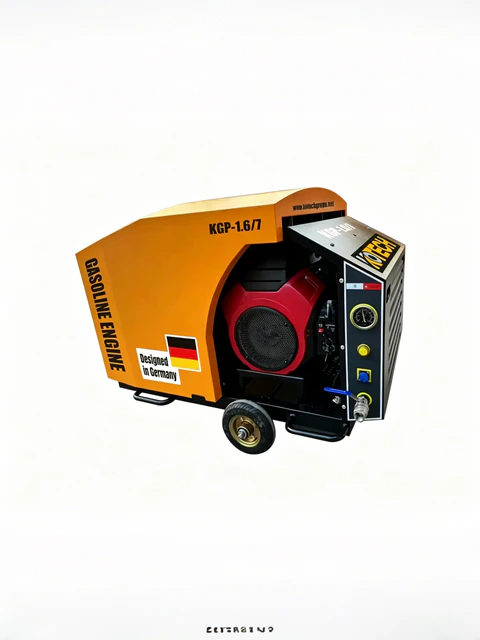
Navigating the Shifting Tides of Mining Air Compressor Demand
The landscape for mining air compressors isn’t just evolving; it’s undergoing a fundamental shift. We’re seeing a clear pivot away from simply purchasing horsepower towards investing in comprehensive air solutions that deliver measurable operational efficiency and align with stricter environmental mandates. This isn’t theoretical; it’s impacting every purchasing decision from major mine sites to smaller aggregate operations.
- Energy Efficiency is Paramount: The drive to reduce operational costs and carbon footprint makes VSD and electric compressors non-negotiable.
- Electrification is Accelerating: Mines are pushing to reduce diesel dependency, creating strong demand for electric and battery-powered air solutions.
- Total Cost of Ownership (TCO) Dominates: Initial capital outlay is secondary to long-term operational expenses, maintenance, and uptime.
- ESG Compliance is a Core Driver: Environmental, Social, and Governance factors are dictating equipment choices, favoring cleaner, quieter technologies.
- Aftermarket Services are Key: Demand for reliable service, parts, and preventative maintenance is growing as equipment complexity increases.
The Shifting Sands of Mining Air Compressor Demand: What’s Driving It?
Yes, global mineral demand still dictates overall activity, but the *type* of compressor being sought has fundamentally changed. Mines are under intense pressure to optimize every single input, and compressed air, often a significant energy consumer, is squarely in the spotlight.
We’re seeing an industry-wide push for solutions that cut costs, boost productivity, and improve safety. This translates directly into a preference for advanced technologies. Frankly, this is where many traditional suppliers have struggled to adapt quickly enough.
The Numbers Don’t Lie: Market Growth & Technology Adoption
Let’s talk verifiable data. It’s not just more units; it’s smarter units.
A significant portion of this growth is attributed to the adoption of energy-efficient solutions. Why? Investing in a more efficient unit might have a higher upfront cost, but the savings over its lifespan are staggering.
Mining is a critical segment within this larger market, often leading the charge in adopting robust, high-performance solutions due to the harsh operating conditions.
Underlying Drivers: Why These Trends are Here to Stay
The shifts we’re observing aren’t fads; they’re structural. Several key factors are driving this sustained demand for advanced mining air compressor technology:
- Energy Cost Volatility: Global energy prices remain unpredictable. Mines, operating on thin margins, cannot afford inefficient energy use. This makes VSD compressors, which adjust output to demand, incredibly attractive.
- Automation & Digitalization: Modern mines are increasingly automated. This requires reliable, clean compressed air for pneumatic tools, sensors, and control systems. Integration with plant-wide control systems is also becoming standard, demanding compressors with advanced monitoring capabilities.
- Demand for Critical Minerals: The global energy transition is driving unprecedented demand for critical minerals like copper, lithium, nickel, and rare earths. Extracting these often involves new, complex mining methods that require specialized, robust air compression solutions.
These drivers create a complex decision-making process for procurement teams. It’s no longer just about CFM and PSI.
Not a Silver Bullet: When Traditional Air Compression Still Holds Value
While the push for advanced, energy-efficient, and electric solutions is strong, it’s crucial to acknowledge that these trends don’t apply universally. For smaller, intermittent operations, or very remote sites with limited access to reliable grid power, a robust diesel-powered portable air compressor might still be the most cost-effective and practical solution. Think exploration drilling in undeveloped areas, or short-term aggregate crushing operations.
The capital expenditure for advanced VSD electric units can be substantial. If the duty cycle is extremely low, or if the mine life is very short, the payback period for a high-efficiency unit might not materialize. This is a boundary condition many overlook in the rush to adopt the latest tech. Always evaluate the specific application and total project scope before making a blanket decision.
Operationalizing Insights: Actionable Steps for Mine Operators & Suppliers
Understanding these trends is one thing; acting on them is another.
For Mine Operators:
- Conduct a Comprehensive Air Audit: Don’t guess your air demand. Get an expert in to map your actual usage, identify leaks, and pinpoint inefficiencies. This is the foundation for any smart investment.
- Prioritize TCO, Not Just CAPEX: When evaluating new equipment, insist on detailed TCO projections that include energy consumption, maintenance, and expected uptime. Challenge suppliers to provide this data.
- Explore Electrification Paths: Even if full electrification isn’t feasible today, plan for it. Look for modular systems, battery-ready units, or hybrid options that can transition as infrastructure improves.
- Invest in Preventative Maintenance & Training: Complex equipment requires skilled technicians. A robust maintenance schedule and well-trained staff are critical to maximizing efficiency and lifespan.
For Air Compressor Suppliers & Manufacturers:
- Develop Integrated Solutions: Mines need more than just a compressor; they need a complete air system. Focus on offering packages that include dryers, filters, smart controls, and remote monitoring.
- Lead with Energy Efficiency & ESG: Position your products around their energy savings and environmental benefits. Provide clear data and case studies.
- Enhance Aftermarket Support: Reliable parts availability, rapid service response, and proactive maintenance programs are huge differentiators. Consider subscription models for maintenance.
- Innovate for Remote & Harsh Conditions: The mining environment is brutal. Develop rugged, easily maintainable units designed for extreme temperatures, dust, and vibration.
Honestly, the market rewards those who anticipate these shifts, not those who merely react. The companies that thrive will be the ones offering solutions that genuinely solve the pain points of modern mining operations.