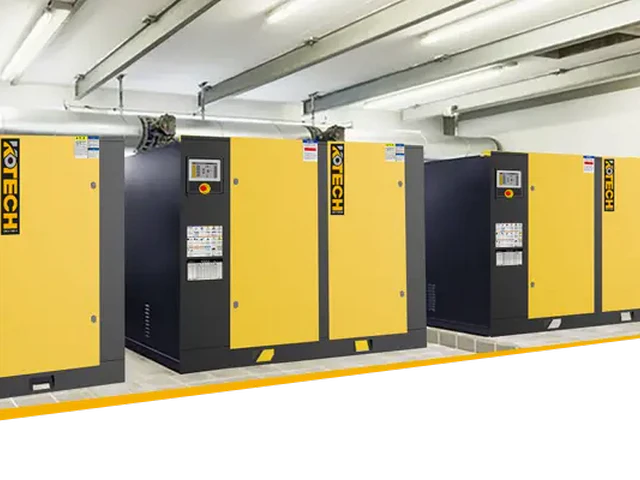
Preventing Mining Air Compressor Downtime
Mining operations demand relentless performance from every piece of equipment, and air compressors are no exception. They’re the workhorses powering critical tools, ventilation systems, and processing equipment. When a mining air compressor goes down, the ripple effect is immediate and costly. The truth is, most common failures aren’t complex engineering mysteries; they’re often a result of overlooked maintenance, environmental stressors, or simply poor operational habits. Tackling these head-on with a structured approach is the only way to ensure reliable compressed air delivery.
The Silent Killers: Understanding Common Mining Air Compressor Failures
When we talk about mining air compressor failures, we’re really talking about interruptions that eat into your bottom line. These aren’t just minor hiccups; they are significant operational threats.
Overheating: The Efficiency Drain
Overheating is arguably the most common and damaging issue we encounter. It shortens bearing life, degrades lubricants, and can seize an entire rotary screw unit. The culprits? More often than not, it’s restricted airflow to the coolers, whether from accumulated dust and debris—a constant battle in mining environments—or inadequate ventilation in the compressor room itself. Low oil levels or incorrect oil types also contribute, failing to dissipate heat effectively. A faulty thermostatic valve can prevent oil from reaching the cooler, turning your compressor into a ticking time bomb.
Pressure Drops and Inconsistency: Productivity’s Bane
Nothing saps productivity faster than fluctuating or insufficient air pressure. Operators trying to use air tools with inadequate pressure are working harder, slower, and often less safely. The primary causes here are typically air leaks in the distribution system—hoses, couplings, valve seals, and worn-out pipe threads are notorious offenders. Clogged air filters, both inlet and coalescing, restrict flow. A failing unloader valve or pressure switch can also prevent the compressor from building and maintaining the required pressure, leading to continuous cycling and premature wear.
Oil Contamination and Carryover: A Costly Mess
Oil contamination means trouble, not just for the compressor’s internal components but for downstream equipment. High oil carryover—oil escaping into the compressed air line—can foul pneumatic tools, contaminate product, and lead to costly repairs. This usually points to a worn or damaged separator element, excessive oil levels, or operating temperatures that are too high, causing oil to vaporize. Using the wrong type of lubricant can also exacerbate this problem.
Excessive Vibration and Noise: Signs of Deeper Trouble
A healthy compressor runs with a predictable hum. Any significant increase in vibration or noise is a red flag. This often indicates worn motor bearings, misaligned couplings between the motor and the air end, loose mounting bolts, or even an unbalanced rotor in a centrifugal unit. Ignoring these early warnings guarantees more severe, and more expensive, mechanical failures down the line.
Electrical System Glitches: The Unseen Shutdown Risk
While less visible, electrical issues can bring a compressor to a screeching halt. Motor overloads, short circuits, faulty contactors, or control panel malfunctions are common. In a dusty, humid mining environment, electrical components are particularly vulnerable to corrosion and particulate ingress, leading to intermittent faults or complete shutdowns. Regular inspection of wiring, connections, and control components is absolutely critical.
The Hard Numbers: Why Proactive Prevention Pays Off
The cost of a compressor failure in a mining operation isn’t just the repair bill. It’s the downtime, the lost production, and the subsequent scramble to catch up. This isn’t theoretical; we see it play out daily. That puts things in perspective quickly.
Furthermore, compressed air systems are significant energy consumers. An inefficient, poorly maintained compressor isn’t just prone to breakdown; it’s also a massive energy hog, directly impacting your operational budget. Investing in prevention isn’t just about avoiding breakdowns; it’s about optimizing energy use and enhancing overall profitability.
These aren’t small gains; they represent significant improvements in operational efficiency and financial performance.
Beyond the Basics: Advanced Strategies for Compressor Longevity
Moving past reactive repairs means embracing a culture of proactive care. This involves a multi-pronged approach that integrates technology, training, and meticulous planning.
Implementing a Robust Predictive Maintenance Program
This is where modern technology truly shines. Predictive maintenance (PdM) leverages IoT sensors to monitor key compressor parameters in real-time: temperature, pressure, vibration, motor current, and oil quality. Data analytics then identifies anomalies and predicts potential failures *before* they occur. This shifts maintenance from a scheduled, often wasteful, activity to a condition-based approach. Imagine getting an alert about a slight increase in bearing temperature weeks before it becomes critical, allowing you to schedule maintenance during a planned shutdown instead of reacting to a catastrophic failure.
Optimizing Your Compressed Air System Design
Sometimes, the compressor isn’t the problem; it’s the system it feeds. Proper sizing of your compressor to meet demand, ensuring adequate air receiver capacity, and designing an efficient piping network with minimal pressure drops are crucial. Investing in Variable Speed Drive (VSD) compressors can significantly reduce energy consumption by matching output to demand, especially in fluctuating load environments common in mining. This is a capital expenditure that pays dividends quickly.
Training and Empowerment: Your First Line of Defense
Your operators and maintenance technicians are your eyes and ears on the ground. Comprehensive training on daily checks, troubleshooting common issues, and understanding the significance of abnormal readings is invaluable. Empowering them with the knowledge to identify early warning signs can prevent minor issues from escalating.
Choosing the Right Components and Consumables
This might seem obvious, but it’s a point worth hammering home: use OEM or equivalent quality replacement parts, filters, and lubricants. Cheaper alternatives often lead to reduced performance, shorter lifespans, and ultimately, higher overall costs. The harsh operating conditions in mining environments demand components built to withstand extreme temperatures, dust, and continuous operation.
When Not to Apply: Understanding System-Specific Limitations
While these strategies are broadly applicable, it’s important to recognize their limitations. For instance, a sophisticated predictive maintenance system might be overkill for a very small, intermittently used compressor that’s easily swapped out. The ROI for a full-scale PdM implementation is highest on critical, high-utilization units where downtime costs are prohibitive. Similarly, a VSD compressor, while highly efficient, might not be the most cost-effective solution for an application with a constant, unvarying air demand. Always assess the specific operational context, duty cycle, and criticality of each compressor before investing heavily in advanced solutions.
Actionable Steps: A Maintenance Checklist for Your Mine Site
To keep your mining air compressors running reliably, integrate these practical steps into your routine:
- Daily Visual Checks: Inspect for leaks (air, oil, water), unusual noises, vibrations, and proper gauge readings (pressure, temperature).
- Weekly Cooler Cleaning: In mining, dust accumulates fast. Ensure intercoolers and aftercoolers are free of debris to maintain optimal heat exchange.
- Monthly Filter Inspections/Replacements: Check inlet air filters, oil filters, and air/oil separators. Replace as per manufacturer recommendations or more frequently in dusty conditions.
- Quarterly Oil Analysis: Send oil samples for lab analysis to monitor wear metals, contamination, and oil degradation. This helps predict internal component wear.
- Semi-Annual System Leak Detection: Use ultrasonic leak detectors to find and repair leaks throughout the compressed air distribution system.
- Annual Overhaul/Major Service: Adhere strictly to the manufacturer’s recommended service intervals for major component inspection and replacement, including minimum pressure valves, check valves, and motor bearings.
Future-Proofing Your Fleet: Emerging Technologies
The mining industry is rapidly adopting digital solutions. For air compressors, this means an increased integration of AI and machine learning into PdM platforms. These advanced algorithms can analyze vast datasets from multiple compressors, identifying subtle patterns that human operators or simpler analytics might miss. We’re seeing more self-optimizing systems that can adjust parameters like pressure setpoints or VSD speeds based on real-time demand and energy costs. Furthermore, remote monitoring and control capabilities are becoming standard, allowing centralized oversight of dispersed compressor fleets, improving response times, and reducing the need for on-site personnel for routine checks. These innovations are not just about maintenance; they’re about creating a more resilient, intelligent, and cost-effective compressed air infrastructure for mining.