
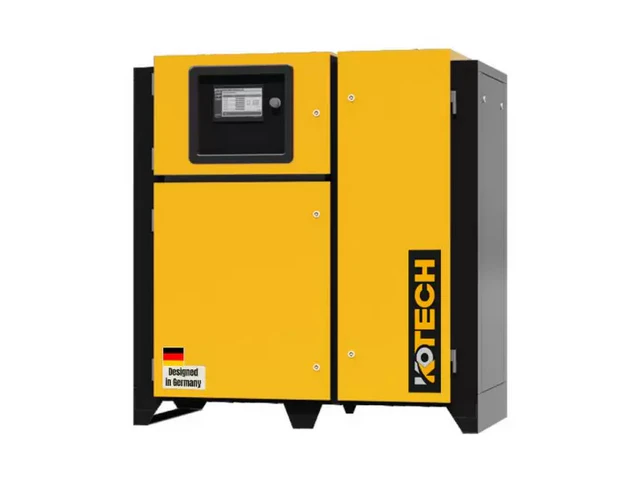
For any operation serious about efficient, reliable tire inflation, especially in commercial, heavy-duty, or mining contexts, a two-stage air compressor isn't just an upgrade—it's foundational. These systems deliver the consistent high pressure and air quality essential for optimal tire life and operational uptime, directly impacting your bottom line. - Two-stage compressors are crucial for consistent, high-pressure tire inflation, preventing premature tire wear and fuel inefficiency. - They offer superior energy efficiency, with some studies showing up to a 15-20% reduction in power consumption compared to single-stage units for similar output. - Enhanced air quality, including reduced moisture, extends the lifespan of pneumatic tools and critical tire valve components. - While a higher upfront investment, the ROI through reduced maintenance, improved fuel economy, and extended tire life is significant for demanding applications. - Proper sizing and maintenance of a two-stage system are non-negotiable for maximizing its performance and longevity in commercial settings.
Maximizing Tire Service Performance with Two-Stage Air Compressors
Key Takeaways
- Two-stage compressors excel in high-pressure, continuous tire inflation for commercial and heavy-duty vehicles.
- They offer significant energy savings and deliver cleaner, drier air, protecting tires and tools.
- Proper sizing, air treatment, and installation are key for maximizing system benefits.
- Not always necessary for light, intermittent home use, but highly recommended for professional settings.
Related: Commercial tire maintenance · fleet vehicle pressure · mining equipment air · pneumatic tool longevity · air quality for tires · energy-efficient compressors · PSI consistency · air compressor ROI
When it comes to tire inflation services, especially for commercial fleets, heavy-duty vehicles, or mining equipment, relying on a single-stage compressor is often a false economy. From my perspective, with over a decade in this industry, the consistent high pressure and air quality delivered by a two-stage compressor are non-negotiable. This isn’t just about filling a tire; it’s about operational efficiency, safety, and ultimately, your profit margins.
Why Two-Stage Compressors Are Indispensable for Tire Inflation
The core advantage of a two-stage compressor for tire inflation lies in its ability to deliver higher pressure more efficiently and consistently. Unlike single-stage units that compress air once, two-stage compressors compress air in two steps, cooling it between stages. This process results in less heat buildup, greater volumetric efficiency, and the capacity for sustained high-pressure output—precisely what heavy-duty tires demand.
For large trucks, buses, or massive mining haul vehicles, maintaining precise tire pressure is paramount. Under-inflated tires lead to increased rolling resistance, higher fuel consumption, and significantly reduced tire life. Over-inflation, while less common, can compromise handling and also lead to uneven wear. A robust air supply ensures technicians can quickly and accurately achieve target pressures, minimizing vehicle downtime.
The Real Costs of Inadequate Air Systems: Data & Impact
Many operators underestimate the cumulative costs of an underperforming air compressor. The impact extends beyond just slower inflation times. Let’s talk numbers.
Studies by the U.S. Department of Energy (DOE 2023) indicate that optimizing compressed air systems can yield energy savings of 20-50%. When you compare a two-stage compressor to a single-stage unit for applications requiring sustained pressure above 100 PSI, the two-stage is inherently more energy-efficient. This is because it operates at a lower compression ratio per stage, reducing the work required and the heat generated. For a busy fleet maintenance shop or a remote mining site, these energy savings translate directly into significant reductions in utility bills over the system’s lifespan.
Furthermore, the ripple effect of proper tire pressure is substantial. The American Trucking Associations (ATA 2022) highlights that improper tire inflation is a leading cause of premature tire wear and decreased fuel efficiency in commercial vehicles. Even a 10% under-inflation can reduce tire life by 10-15% and increase fuel consumption by 1-2%. Considering that tires are one of the highest operating costs for trucking companies, the ability of a two-stage system to facilitate consistent, accurate inflation offers a clear and substantial return on investment.
Beyond PSI: Air Quality and Tool Longevity
It’s not just about pressure; it’s also about the quality of the air. Two-stage compressors, by their very nature, often produce cooler, drier air. The intercooling process between compression stages helps to condense moisture, which can then be removed more effectively through integrated dryers and filtration systems.
Why does this matter for tire inflation? Moisture in your air lines is the enemy of pneumatic tools and, crucially, tire valve stems. Water can corrode the delicate internal mechanisms of your inflators and gauges, leading to inaccurate readings and premature tool failure. More critically, moisture introduced into a tire can accelerate corrosion of the steel belts and valve components, compromising tire integrity and leading to slow leaks. From what I’ve seen, a good air dryer paired with a two-stage compressor drastically reduces these issues, extending the life of both your equipment and your tires.
When a Single-Stage Just Won't Cut It: Identifying the Need
So, when do you absolutely need a two-stage system? If your operation regularly inflates tires on:
- Commercial trucks and trailers
- Buses
- Heavy construction equipment
- Agricultural machinery
- Mining vehicles (e.g., rigid dump trucks, loaders)
- Any vehicle requiring sustained pressure above 100 PSI or high CFM for rapid inflation.
These applications demand not only high pressure but also a continuous, reliable air supply. A single-stage compressor will struggle to maintain consistent output, leading to longer inflation times, increased wear and tear on the compressor itself, and ultimately, higher operational costs due to frequent cycling and overheating. The global industrial air compressor market, valued at approximately $30 billion in 2023 (Mordor Intelligence 2023), clearly shows a strong demand for robust, high-performance systems, with two-stage models being a significant segment.
Implementing a Two-Stage System: Practical Considerations
Choosing the right two-stage compressor involves more than just horsepower. You need to consider:
1. **CFM Requirements:** Match the compressor’s Cubic Feet per Minute (CFM) output to the demands of your tire inflation tools and any other pneumatic equipment it will power. Always factor in future expansion. 2. **Pressure (PSI):** Ensure the maximum pressure capability meets or exceeds the highest pressure requirements of your tires, with a comfortable buffer. 3. **Tank Size:** A larger receiver tank provides a reserve of compressed air, allowing the compressor to run less frequently, extending its lifespan and maintaining more consistent pressure. 4. **Air Treatment:** Invest in a quality air dryer (refrigerated or desiccant) and appropriate filters to remove moisture and particulates. This is non-negotiable for tire integrity and tool longevity. 5. **Location and Installation:** Proper ventilation is critical to prevent overheating. Consider noise levels if it’s located near workspaces.
Frankly, cutting corners on any of these aspects will compromise the entire system’s performance and negate the benefits of investing in a two-stage unit.
The Niche for Smaller Operations: A Counterpoint
It’s important to acknowledge that a two-stage compressor isn’t a universal solution for everyone. For a small, home garage or a shop primarily servicing passenger vehicles with intermittent, light-duty tire inflation needs (e.g., occasional top-offs, pressures rarely exceeding 60-80 PSI), a well-maintained single-stage compressor might suffice. The higher initial investment and larger footprint of a two-stage unit might not justify the benefits for such low-demand scenarios. However, even then, if you’re running impact wrenches or other air tools, the superior performance and longevity offered by a two-stage unit are hard to ignore.
In conclusion, for any serious commercial or industrial application involving tire inflation, the two-stage compressor stands out as the superior choice. Its efficiency, reliability, and ability to deliver high-quality, high-pressure air directly contribute to operational savings, extended tire life, and enhanced safety. It’s an investment that pays dividends through improved uptime and reduced maintenance overhead.
Expert Insights
"In my experience, trying to get by with a single-stage compressor for heavy-duty tire inflation is like bringing a knife to a gunfight. You'll spend more on energy, replace tires faster, and constantly battle with tool breakdowns. A properly spec'd two
— stage system just works, plain and simple."
Further Reading
- Mining Air Compressors | Long-Lasting Performance Guaranteed
- Air Compressor Solutions for Oilfield Pressure Testing Operations
- Understanding Air Compressor Duty Cycles for Mining Applications
- Applications of Two-Stage Compressors for Tire Inflation Services
- Two-stage compressor, tire inflation, industrial air compressor, heavy-duty tire service, air system efficiency – Mining Air Compres
- No-Tow Portable Diesel Air Compressors for Confined Mining Areas
- Corrosion-Resistant Air Compressors for Offshore Gas Platforms
- Mining Air Compressor Maintenance: Proactive vs Reactive Strategies
About the Author

Related Reading: Air Compressor Solutions for Oilfield Acidizing & Stimulation
Related Applied Cases