Optimizing Tire Inflation with Two-Stage Compressor Technology
The Unmistakable Advantage: Why Two-Stage Compressors Dominate Tire Services
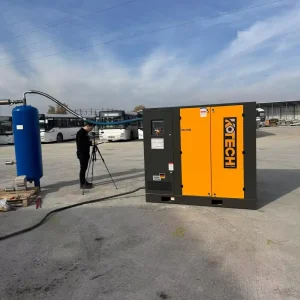
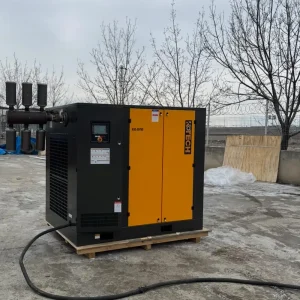
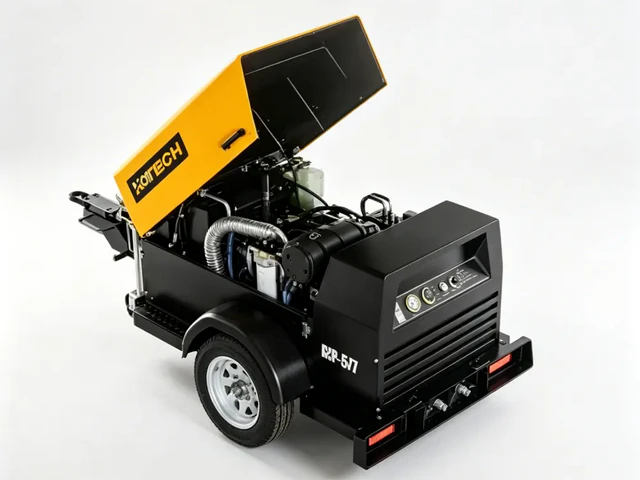
Let’s cut to the chase: if you’re running a professional tire shop, an automotive service center, or managing a commercial fleet, a two-stage air compressor is not merely a nice-to-have; it’s a non-negotiable asset. These units are engineered for the relentless demands of tire inflation services, delivering the consistent high pressure and reliable performance that single-stage compressors simply can’t match. We’re talking about better efficiency, longer equipment life, and ultimately, a healthier bottom line.
Efficiency & Longevity: The Data Backs It Up
The core differentiator for two-stage reciprocating compressors lies in their operational efficiency and durability. Unlike single-stage units that compress air in one go, two-stage compressors do it in two steps. Air is compressed to an intermediate pressure in the first cylinder, cooled, and then pushed to a higher final pressure in a second, smaller cylinder. This two-step process reduces the heat generated during compression, which is a major factor in component wear and energy waste.
While that’s broad, the principle applies directly to the efficiency gains of a two-stage system over a single-stage for sustained operations like tire inflation. Lower operating temperatures mean less stress on components, leading to fewer breakdowns and significantly extended service intervals. This directly impacts your maintenance budget and staff productivity.
Consider the sheer volume of air needed. For commercial tire inflation, especially on larger vehicles, you need consistent pressure and flow. Underinflated tires are a massive problem, costing billions in fuel waste and posing serious safety risks. Ensuring proper inflation isn’t just about customer service; it’s about operational integrity and environmental responsibility. A two-stage compressor helps you achieve that precision consistently.
Beyond PSI: Understanding Performance and Air Quality
It’s not just about hitting a specific PSI. It’s about *how* you get there and what kind of air you’re delivering. Two-stage compressors typically provide higher sustained CFM (Cubic Feet per Minute) at higher pressures, which translates to faster inflation times for multiple tires, or even large truck and agricultural tires. This speed is critical in a busy shop. Time is money, right? Waiting for a compressor to catch up while a technician stands idle is pure profit drain.
Furthermore, the cooler operation of a two-stage unit inherently means less moisture in the compressed air stream, especially when paired with an effective air dryer. Moisture is the silent killer of pneumatic tools, air lines, and even tire integrity over the long haul. Rust, corrosion, and degraded rubber compounds are real concerns. Delivering dry, clean air isn’t just a nicety; it’s a professional standard that protects your investment in tools and your customers’ vehicles.
When Single-Stage Just Won't Cut It
While single-stage compressors have their place—think small home garages or intermittent, low-demand tasks—they are fundamentally ill-suited for the continuous, high-pressure requirements of commercial tire services. Trying to push a single-stage unit to its limits for tire inflation will lead to several critical issues:
- Overheating: Rapid heat buildup drastically reduces component lifespan.
- Frequent Cycling: The compressor will constantly turn on and off, leading to motor wear and tear.
- Inconsistent Pressure: Pressure drops during continuous use can result in inaccurate inflation.
- Excessive Moisture: Hotter air holds more moisture, which then condenses in your lines, causing problems.
It’s a classic case of penny wise, pound foolish. A single-stage compressor might work for topping off a few passenger car tires once in a while, but for heavy-duty applications or a busy bay, it’s a recipe for frustration and inefficiency.
Implementing Two-Stage Systems for Optimal Performance
Choosing the right two-stage compressor involves more than just looking at horsepower. You need to consider:
- Tank Size: A larger tank provides a buffer, reducing compressor run time.
- CFM @ PSI: Match the output to your most demanding tools and inflation needs. For trucks, you’ll need higher CFM at 120-150 PSI.
- Duty Cycle: Ensure the compressor is rated for continuous or near-continuous operation.
- Air Dryer Integration: Always pair your compressor with a refrigerated or desiccant air dryer for optimal air quality.
- Location and Ventilation: Proper airflow around the compressor prevents overheating and extends its life.
For fleet maintenance, think about centralized systems with properly sized piping to deliver air efficiently to multiple service bays. In a busy tire shop, having dedicated high-volume, high-pressure lines can drastically speed up operations. Regular maintenance, including oil changes, filter replacements, and checking for leaks, is paramount. A small leak can waste a surprising amount of energy and put unnecessary strain on your compressor.