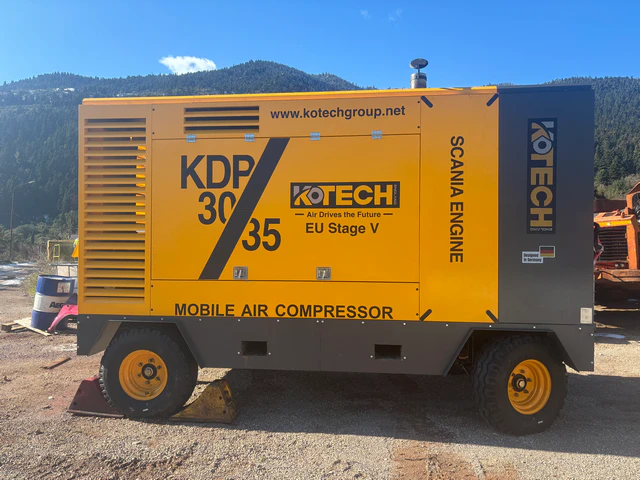
Optimizing Remote Mining with Lightweight Portable Diesel Air Compressors
- Lightweight diesel air compressors are critical for reducing operational costs and improving safety in remote mining.
- Advanced materials and compact designs are shrinking footprint and weight without sacrificing power.
- Fuel efficiency and predictive maintenance via telematics offer significant long-term savings.
- Careful selection ensures optimal CFM, pressure, and durability for specific remote tasks.
The Unseen Burden: Why Lightweight Matters More Than Ever in Remote Mining
When you’re running a remote mining operation, every pound counts, especially when it comes to essential equipment like air compressors. We’re not just talking about convenience; we’re talking about fundamental operational efficiency and safety. Lightweight portable diesel air compressors are no longer a luxury but a strategic necessity, directly impacting logistics, fuel consumption, and the speed of critical tasks like drilling and blasting in isolated environments. The cost of moving heavy machinery to a distant site, often over rugged terrain, can quickly erode profit margins.
Traditional, heavier units demand substantial transport infrastructure – bigger trucks, more specialized lifting gear, and often, more manpower. This translates directly into higher operational expenses and increased safety risks. A truly lightweight unit allows for quicker deployment across a sprawling mine site, reducing the time spent relocating equipment between different work zones.
Operational Imperatives: Data Driving Compressor Evolution
The mining industry operates on tight margins, and equipment choices are under constant scrutiny. This growth underscores the need for more efficient, adaptable machinery.
Fuel costs represent a significant chunk of mining operational expenditure. This fact alone highlights the immense value of a fuel-efficient diesel air compressor. Modern lightweight units are engineered with advanced engine management systems that optimize fuel consumption without compromising power output. Reduced fuel consumption directly translates into fewer fuel deliveries, a logistical nightmare for remote sites, and substantial cost savings.
Furthermore, unplanned downtime in mining can be catastrophic for productivity and budgets. When a compressor goes down in a remote location, the ability to quickly swap it out, move a backup, or transport it for repair is paramount. Lightweight designs significantly cut down on the time and resources needed for these critical interventions, minimizing the financial impact of equipment failure.
Beyond Raw Power: The Engineering Behind True Portability
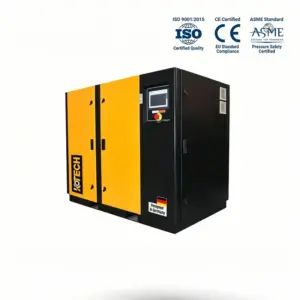
Achieving a truly lightweight yet robust portable diesel air compressor for mining is an engineering feat. It involves a combination of smart design choices and advanced material science. Manufacturers are leveraging high-strength, low-weight alloys and composites for chassis and enclosures, dramatically cutting down the overall mass without sacrificing durability.
Beyond materials, the internal components are also undergoing significant redesign. Compact, high-efficiency diesel engines, often paired with optimized air ends, deliver the required Cubic Feet per Minute (CFM) and pressure in a smaller footprint. Integrated cooling systems and intelligent control units further consolidate components, reducing both size and weight. This holistic approach ensures that “lightweight” doesn’t mean “underpowered” or “fragile.”
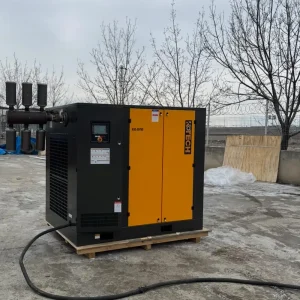
The result is a machine that can be easily towed by standard utility vehicles or even lifted by smaller cranes, making it ideal for navigating the challenging and often unpaved roads of remote mine sites. Quicker setup times mean crews can transition between tasks faster, improving overall site productivity. This agility allows for more strategic deployment, placing pneumatic power exactly where it’s needed, when it’s needed, without logistical headaches.
The Trade-offs: When “Lightweight” Isn’t the Only Answer
While lightweight portable diesel air compressors offer distinct advantages for remote mining, it’s important to acknowledge their specific application sweet spot. These units are designed for mobility and rapid deployment, often for intermittent or localized tasks like blast hole drilling, pneumatic tool operation, or equipment maintenance in various sections of a large mine.
However, they are not a universal solution. For fixed, long-term installations requiring continuous, extremely high CFM output—think large-scale ventilation systems or permanent processing plant applications—a larger, stationary electric or diesel-driven compressor might still be the more efficient choice. These heavy-duty stationary units can deliver higher volumes of compressed air for extended periods, often with lower per-CFM operating costs in a fixed location. The boundary condition here is sustained, high-volume demand versus agile, on-demand pneumatic power. Only when mobility and rapid redeployment are primary concerns does the lightweight portable unit truly shine.
Strategic Deployment: Maximizing ROI with Modern Lightweight Units
Selecting the right lightweight portable diesel air compressor involves more than just looking at the weight tag. You need to consider the specific demands of your operation. First, assess your CFM and pressure requirements for the pneumatic tools and equipment it will power. Oversizing wastes fuel, while undersizing leads to poor performance and delays. Look for units offering variable speed control, which can match engine speed to air demand, further enhancing fuel efficiency.
Modern units often come equipped with telematics and IoT integration. This allows for remote monitoring of fuel levels, engine diagnostics, service intervals, and location tracking. For remote sites, this capability is invaluable, enabling predictive maintenance rather than reactive repairs, and ensuring that vital resources like fuel are dispatched efficiently.
Ensure the compressor is built for rugged environments, with features like heavy-duty chassis, protected control panels, and excellent filtration systems to handle dust and extreme temperatures. Easy access for routine maintenance—oil changes, filter replacements—is also crucial, as skilled technicians might be a long way off. Training your remote crews on basic maintenance and troubleshooting can drastically reduce downtime. Prioritize brands known for reliability and a strong dealer network, even if it means a slightly higher upfront cost.
The Future Landscape: Smart Compressors and Sustainable Mining
The trajectory for lightweight portable diesel air compressors in remote mining is clear: smarter, more efficient, and increasingly integrated. We’ll see continued advancements in telematics, moving towards fully autonomous diagnostic and maintenance scheduling. The push for sustainability will also drive innovation. While diesel remains dominant for its energy density and reliability in remote areas, future iterations will likely feature even more stringent emissions controls, perhaps hybrid-electric options for specific use cases where charging infrastructure is viable, or even alternative fuels. The goal remains the same: deliver reliable, cost-effective pneumatic power with minimal environmental footprint, ensuring mining operations can thrive in the most challenging locations.