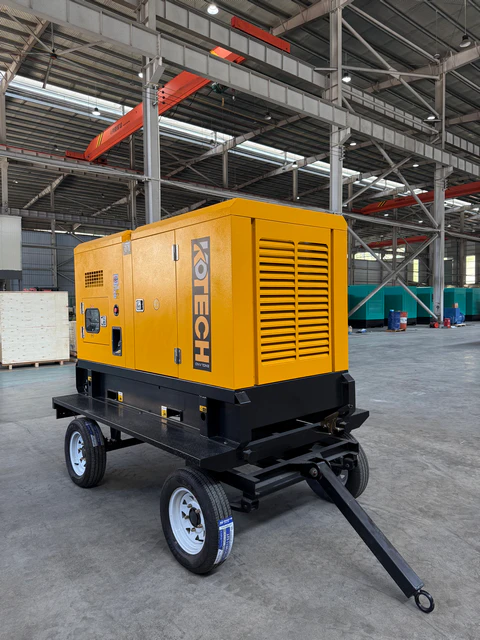
Unlocking Performance: Air Compressors in O&G Mining
- Uptime is King: In oil & gas mining, compressor reliability directly translates to operational continuity and profitability.
- Harsh Conditions Demand Robustness: Equipment must withstand extreme temperatures, dust, and remote locations to minimize failures.
- Energy Efficiency Drives ROI: Selecting energy-optimized compressors significantly reduces operational expenses in long-term projects.
- Safety & Compliance are Non-Negotiable: Adherence to industry-specific safety standards (e.g., ATEX, MSHA) is paramount for personnel and site integrity.
When you’re running an oil and gas mining operation, your air compressors aren’t just pieces of equipment; they’re the arteries of your entire system. Frankly, if your air compression fails, your drilling, well servicing, or extraction efforts grind to a halt, costing you serious money and pushing project timelines. The core challenge is always about balancing brute force with precision, ensuring these heavy-duty units deliver consistent, clean air under the most unforgiving conditions.
The Unseen Costs of Compressor Downtime in O&G Mining
Downtime in the oil and gas sector isn’t merely an inconvenience; it’s a financial bleed. A single hour of lost production on an offshore rig, for example, can easily run into six figures. According to a 2023 report by the U.S. Energy Information Administration (EIA), operational efficiency is a top driver for capital expenditure in upstream oil and gas, directly influencing equipment selection and maintenance strategies. This underscores why industrial mining air compressors, critical for pneumatic tools, instrumentation, and drilling processes, must offer unparalleled reliability.
The typical operating environments – remote desert sites, arctic tundra, or corrosive offshore platforms – push equipment to its absolute limits. Dust ingress, extreme temperatures, and constant vibration are common culprits behind premature wear and system failures.
Market Trends Shaping Air Compressor Demand
Within oil and gas mining, specifically, we’re observing a strong pivot towards units that offer:
- Enhanced Portability: For exploration and temporary well sites.
- Higher Pressure Capabilities: To support advanced drilling and fracking techniques.
- Improved Energy Efficiency: Driven by rising energy costs and environmental regulations.
- Remote Monitoring & IoT Integration: Enabling predictive maintenance and reducing the need for on-site personnel in hazardous areas.
This isn’t just about buying a new compressor; it’s about investing in a strategic asset that integrates seamlessly into a complex operational ecosystem.
Addressing Core Pain Points: Reliability in Harsh Environments
Operating in the oil and gas sector means confronting environmental extremes. Temperatures can swing from sub-zero to scorching, dust is ubiquitous, and corrosive elements are often present. These conditions are brutal on traditional machinery. Industrial mining air compressors designed for this segment must feature:
- Heavy-Duty Enclosures: To protect internal components from dust, moisture, and impact.
- Robust Filtration Systems: Multi-stage filtration is non-negotiable to prevent contaminants from entering the air stream and damaging equipment.
- Temperature Control: Integrated cooling systems are vital for performance stability in high heat, while specialized cold-weather packages ensure reliable startups in freezing conditions.
- Vibration Dampening: To extend the life of components and reduce noise levels, crucial for worker safety and comfort.
Frankly, cutting corners here is a false economy. The incremental cost of a truly ruggedized unit pales in comparison to the cost of a single major breakdown.
Choosing the Right Compressor Technology for O&G Mining Operations
The choice between rotary screw, reciprocating, and even centrifugal compressors depends heavily on the specific application within oil and gas mining.
Rotary Screw Compressors: The Workhorse for Continuous Air
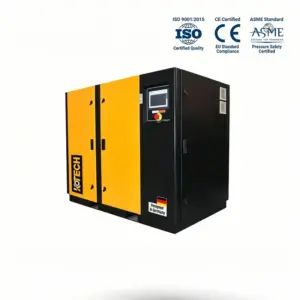
For most drilling, well servicing, and general utility air needs, rotary screw compressors are the go-to. They provide a continuous flow of compressed air, are relatively compact, and can handle varying loads efficiently. Both diesel-driven portable units and electric stationary models are widely used. Their robust design and lower maintenance requirements for continuous duty cycles make them ideal for long-term operations.
Reciprocating Compressors: High Pressure, Intermittent Demands
When high pressure is the primary requirement, such as for specialized drilling tools or certain well stimulation processes, reciprocating (piston) compressors often come into play. They excel at delivering high pressure in intermittent bursts. While generally less efficient for continuous, high-volume needs compared to rotary screws, their ability to achieve very high pressures makes them indispensable for specific tasks.
Centrifugal Compressors: Large Volume, Specific Applications
Centrifugal compressors are typically reserved for very large-scale operations requiring huge volumes of oil-free air, often found in refineries or large processing plants rather than direct mining or drilling activities. Their complexity and size usually preclude them from most field-level oil and gas mining applications.
Energy Efficiency: A Mandate, Not an Option
With energy costs consistently climbing, the efficiency of your air compression system directly impacts your bottom line. Compressors account for a significant portion of industrial electricity consumption.
Modern industrial air compressors offer features like variable speed drive (VSD) technology, which adjusts motor speed to match air demand, significantly reducing energy waste during partial load operation. Investing in VSD compressors can yield substantial energy savings over their operational lifespan, often paying for the initial premium within a few years.
Safety and Compliance: Non-Negotiable Standards
Safety in oil and gas mining is paramount. Air compressors, particularly diesel-driven units, must adhere to stringent safety regulations. This includes:
- ATEX Certification: For operations in potentially explosive atmospheres, common in oil and gas fields.
- MSHA Compliance: For mining applications, ensuring electrical and mechanical safety standards are met.
- Spark Arrestors: On exhaust systems of diesel compressors to prevent ignition of flammable gases.
- Automatic Shut-off Systems: To respond to overpressure, overheating, or gas detection.
Ignoring these certifications isn’t just risky; it’s a liability that can shut down your entire operation, leading to legal repercussions and catastrophic accidents.
When Standard Solutions Fall Short: Customization and Rental
There are scenarios where off-the-shelf industrial mining air compressors simply won’t cut it. Perhaps you need a highly specialized pressure/flow combination for a unique well completion technique, or you’re operating in an extremely remote location with limited power infrastructure. In such cases, custom-engineered solutions become vital.
This might involve skid-mounted packages with integrated generators, specialized filtration for sour gas environments, or even containerized solutions for rapid deployment. Sometimes, a rental fleet is the smartest play, especially for short-term projects or to cover peak demand. In our experience, many operators overlook the flexibility and cost-effectiveness of high-quality rental options, especially for pilot projects or unexpected surges in demand.
The Future of Air Compression in O&G Mining: Decarbonization and Digitalization
The industry is shifting towards more sustainable and data-driven operations. This means:
- Electrification: Moving away from diesel compressors to electric units powered by grid electricity, renewables, or microgrids. This reduces emissions and noise.
- Hydrogen-Ready Compressors: Some manufacturers are developing compressors compatible with hydrogen fuel cells or as part of hydrogen production processes, aligning with long-term decarbonization goals.
- Predictive Maintenance via IoT: Sensors on compressors feed data to cloud-based platforms, allowing for real-time monitoring of performance, vibration, temperature, and pressure. This enables predictive maintenance, preventing failures before they occur and optimizing service schedules.
This digitalization isn’t just about fancy tech; it’s about maximizing uptime and minimizing operational costs through intelligent insights.
Maintenance and Operational Best Practices
Even the best industrial mining air compressors will fail without proper care. Implementing a robust maintenance schedule is non-negotiable.
- Regular Inspections: Daily checks for leaks, unusual noises, and filter conditions.
- Scheduled Servicing: Adhering to manufacturer-recommended intervals for oil changes, filter replacements, and component checks.
- Air Quality Monitoring: Especially in critical applications, ensure the compressed air meets required quality standards (e.g., ISO 8573-1).
- Training: Ensure operators and maintenance staff are fully trained on safe operation and troubleshooting.
- Spare Parts Inventory: Keep critical spare parts on hand to minimize downtime during unexpected failures.
By proactively managing your compressor fleet, you extend asset life, maintain peak performance, and ultimately protect your bottom line in a highly competitive sector.