Unlocking Efficiency: The Indispensable Role of Heavy-Duty Air Compressors in Oil & Gas
Key Insights:
- Reliability is Non-Negotiable: Downtime from air compressor failure can cost oilfield operations millions per day, making robust, field-proven units essential.
- Application-Specific Solutions: Different E&P phases (drilling, seismic, well stimulation) demand distinct compressor types and pressure/volume specifications.
- Advanced Monitoring & Maintenance: IoT integration and predictive analytics are transforming uptime management, minimizing unexpected failures.
- Environmental Resilience: Compressors must withstand extreme temperatures, dust, and corrosive elements inherent to oilfield sites.
- Total Cost of Ownership (TCO) Focus: Initial purchase price is secondary to long-term operational costs, fuel efficiency, and maintenance burden.
The operational demands of oilfield exploration and extraction are brutal. Every piece of equipment needs to perform flawlessly under immense pressure, often in the most remote and hostile environments on Earth. When it comes to pneumatic power, heavy-duty air compressors are foundational. Frankly, if your air system goes down, so does your entire operation, and the costs can escalate faster than you can say “blowout preventer.”
Why Reliability Matters: The Unseen Costs of Downtime
In the oil patch, time literally equals money. A drilling rig standing idle due to a faulty air compressor isn’t just an inconvenience; it’s a financial hemorrhaging event. These aren’t your garage air tools; we’re talking about powering critical functions like mud pumps, pneumatic tools, instrument air, and well stimulation systems. The direct costs of downtime, including lost production and repair expenses, are staggering.
That’s why our focus consistently lands on robust, over-engineered solutions designed for continuous duty cycles. You need a compressor that isn’t just rated for the job but built to exceed those ratings, day in and day out, without skipping a beat.
Market Trends & Data: Shifting Demands in E&P
The oil and gas industry is constantly evolving, and so are the demands placed on support equipment. We’re seeing a clear trend towards higher efficiency and reduced environmental footprint. This growth signals increased activity, which in turn drives demand for more reliable and advanced air compression solutions. Operators are investing in technology that offers better fuel economy and lower emissions, particularly with the rise of ESG (Environmental, Social, and Governance) considerations.
Another significant trend is the adoption of remote monitoring and IoT capabilities. This technology allows operators to track compressor performance, anticipate potential failures, and schedule maintenance proactively, drastically reducing the chances of unexpected shutdowns.
Choosing the Right Compressor: Beyond Horsepower
Selecting an appropriate heavy-duty air compressor for oilfield applications involves much more than just looking at horsepower. You need to consider the specific application, operating environment, and logistical challenges. For drilling operations, high-pressure rotary screw compressors are often the workhorse, providing consistent airflow for pneumatic tools and mud mixing. For seismic exploration, portable, robust units capable of withstanding constant relocation and harsh weather are critical. Well stimulation, especially hydraulic fracturing, requires high-volume, high-pressure air to support various stages, often demanding specialized booster compressors.
Key factors include:
- Pressure (PSI/bar) and Volume (CFM/m³/min): Match these precisely to your tools and processes. Under-specifying leads to inefficiency; over-specifying wastes energy.
- Type of Compressor: Rotary screw (most common for continuous duty), reciprocating (for intermittent, high-pressure needs), or centrifugal (large volumes, usually fixed installations).
- Drive System: Diesel-driven for remote sites, electric for grid-connected or hybrid solutions. Fuel efficiency is paramount for diesel units.
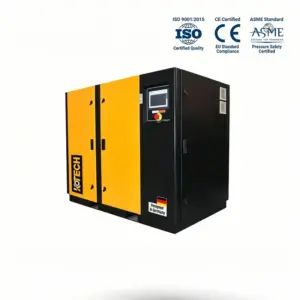
- Environmental Enclosure: Weatherproof, dust-proof, and often sound-attenuated enclosures are essential for protection and operational comfort.
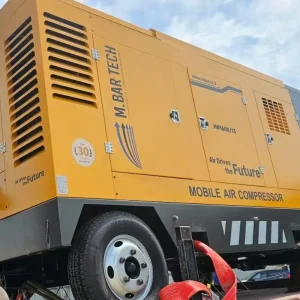
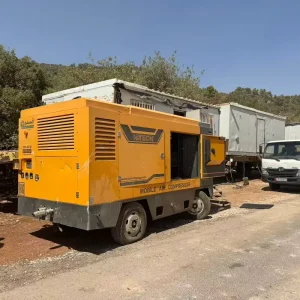
- Portability: Skid-mounted, trailer-mounted, or truck-mounted options depend on the mobility required for the operation.
An under-spec’d compressor will constantly struggle, leading to increased wear and tear, higher fuel consumption, and ultimately, premature failure. It’s like asking a sedan to do the job of a heavy-duty pickup truck; it might work for a bit, but it won’t last, and it definitely won’t be efficient. For example, using a compressor with insufficient CFM for a drilling rig’s pneumatic system will lead to slower tool operation, affecting drilling rates and extending project timelines. This directly translates to lost revenue and increased operational expenses. This approach simply isn’t sustainable for the long haul in the oilfield.
Furthermore, an underperforming air system can compromise safety. Critical pneumatic controls for blowout preventers or emergency shutdown systems rely on a consistent, clean air supply. Any compromise here introduces unacceptable risks.
Operational Best Practices: Maximizing Uptime and ROI
Maximizing the return on investment for heavy-duty air compressors in the oilfield goes beyond initial selection; it’s about rigorous operational best practices. Regular, proactive maintenance is non-negotiable. This includes routine oil changes, filter replacements (air, oil, fuel), and regular checks of belts, hoses, and connections. Predictive maintenance, utilizing sensor data to monitor vibration, temperature, and pressure, is becoming standard. This allows for scheduled interventions before a minor issue escalates into a catastrophic failure.
Training field personnel on proper operation and basic troubleshooting is also crucial. A well-trained crew can often identify and address minor issues before they lead to significant downtime. Additionally, maintaining a stock of critical spare parts on-site, especially for remote operations, can drastically reduce repair times.
Future-Proofing Your Fleet: Innovations in Air Compression Technology
The future of heavy-duty air compressors in oilfield E&P is bright, driven by innovation. We’re seeing advancements in variable speed drive (VSD) technology, which allows compressors to match motor speed to air demand, significantly reducing energy consumption. Hybrid and electric models are also gaining traction, particularly for operations with access to grid power or those seeking to reduce their carbon footprint. The integration of advanced filtration systems ensures cleaner air output, protecting sensitive pneumatic instrumentation and extending the life of downstream equipment.
While these technologies might represent a higher upfront cost, their long-term benefits in terms of efficiency, reliability, and reduced environmental impact are undeniable. For an industry that often operates on razor-thin margins and faces increasing regulatory scrutiny, adopting these innovations isn’t just smart; it’s essential for sustained competitiveness.