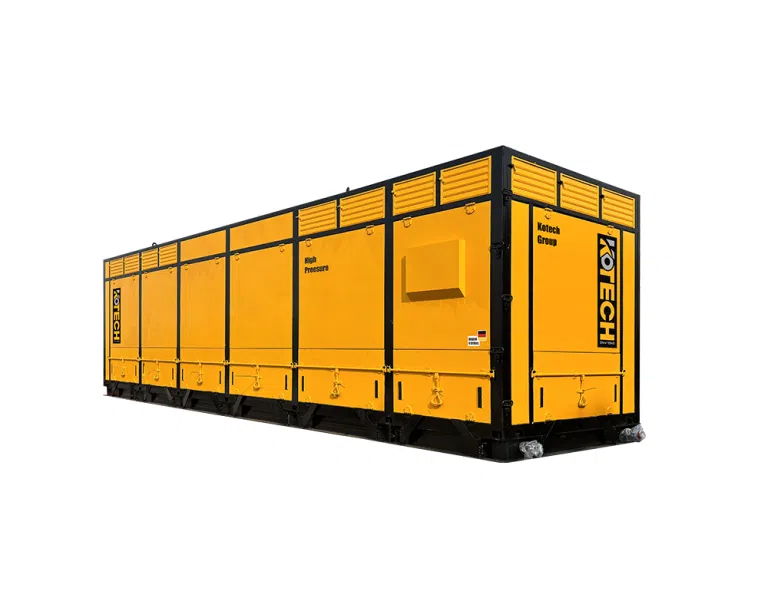
500 CFM Large Diesel Air Compressor Guide
A large diesel air compressor with a 500 CFM (cubic feet per minute) rating stands as a cornerstone in heavy industrial applications, defining a critical threshold for mobile, high-volume compressed air delivery. This class of machinery is engineered to meet the strenuous demands of environments where robust power and consistent air flow are paramount, and conventional electrical infrastructure is either nonexistent or impractical. Its significance extends across various sectors, providing the foundational energy for a multitude of pneumatic tools and processes. From a framework perspective, the primary problem that a 500 CFM large diesel air compressor solves is the need for independent, on-site, high-capacity compressed air. Industries such as heavy construction, mining, road building, and large-scale sandblasting often operate in remote locations, demanding self-sufficient power solutions. These compressors provide the necessary horsepower to drive demanding equipment like large jackhammers, drilling rigs, concrete blasters, and heavy-duty spraying equipment, ensuring operational continuity far from grid power. Based on structural analysis, the design and operational philosophy of these units prioritize durability, portability, and sustained performance under challenging conditions. Their robust construction, coupled with efficient diesel engines, ensures reliability in harsh environments, making them indispensable assets for projects requiring both substantial pneumatic power and geographical flexibility.
Technical and Structural Breakdown of 500 CFM Diesel Air Compressors
A large diesel air compressor rated at 500 CFM (cubic feet per minute) is a heavy-duty, portable or trailer-mounted machine specifically engineered to deliver a high volume of compressed air, primarily powered by an internal combustion diesel engine. These units are fundamentally designed to transform mechanical energy from the diesel engine into pneumatic energy, providing a consistent flow of pressurized air for a wide array of industrial applications.
The core components of a 500 CFM diesel air compressor include a robust diesel engine, typically from reputable manufacturers known for industrial power, coupled directly or indirectly to a rotary screw air end. This air end is the heart of the compression system, utilizing two intermeshing rotors to trap and compress air efficiently. Peripheral systems crucial for operation include a comprehensive air/oil separation system, an efficient cooling system for both the engine and compressed air, a substantial fuel tank for extended operation, and an intuitive control panel for monitoring and adjustment.
The underlying logic of its operation involves the diesel engine driving the rotary screw air end, which draws in atmospheric air and compresses it. This compressed air, mixed with oil for lubrication and cooling, is then directed through an air/oil separator, where oil is removed and recirculated. The now clean, high-pressure air passes through an aftercooler to reduce its temperature before being discharged for use, ensuring optimal performance of pneumatic tools and processes.
From a framework perspective, these compressors are engineered to meet stringent industry standards. Air quality often aligns with ISO 8573-1 classifications for purity, especially when used in sensitive applications. Furthermore, the diesel engines are designed to comply with evolving emission standards, such as EPA Tier regulations, reflecting a commitment to environmental responsibility alongside powerful performance.
Implementing a 500 CFM Large Diesel Air Compressor: A Practical Deployment Guide
Effective implementation of a 500 CFM large diesel air compressor involves a systematic approach from initial site assessment to operational execution, ensuring optimal performance, longevity, and safety throughout its service life. This systematic deployment strategy is critical for maximizing productivity and minimizing potential downtime in demanding industrial environments.
**1. Site Assessment and Sizing**: The initial step in practical application is a comprehensive site assessment to accurately determine the actual air demand, required pressure, and anticipated duty cycle for all connected tools and processes. This ensures the 500 CFM unit is appropriately sized, preventing inefficiencies from under- or over-sizing. Consideration must also be given to terrain, accessibility for refueling, and proper ventilation for heat dissipation.
**2. Fuel and Maintenance Logistics**: A robust plan for fuel supply, including storage and delivery, is paramount for continuous operation. Concurrently, a strict preventative maintenance schedule must be established, encompassing regular engine oil and filter changes, air filter replacements, and checks of coolant levels. Neglecting these aspects can lead to premature wear and unexpected breakdowns, particularly given the rigorous operating conditions.
**3. Hose and Connection Setup**: Selecting the correct diameter and length of pressure-rated hoses (e.g., 2-inch for main lines, tapering to smaller diameters for individual tools) is crucial to minimize pressure drop and maintain air volume at the point of use. Utilizing high-quality quick-connect fittings and ensuring all connections are secure and leak-free is also vital for both efficiency and safety in a high-pressure system.
**4. Operational Procedures and Training**: Operators must be thoroughly trained in safe start-up and shut-down protocols, continuous monitoring of critical gauges (pressure, temperature, fuel, hour meter), and emergency procedures. Proper operator training not only enhances safety but also contributes significantly to the compressor’s operational efficiency and extended lifespan.
**5. Environmental and Safety Compliance**: Adherence to local noise regulations, engine emission standards, and comprehensive safety protocols for pressurized systems is non-negotiable. This includes ensuring proper grounding, wearing appropriate personal protective equipment (PPE), securing the unit on stable ground, and implementing lockout/tagout procedures during any maintenance or repair activities to prevent accidental activation.
Comparative Analysis: 500 CFM Diesel Compressors vs. Alternatives
When evaluating high-volume compressed air solutions, 500 CFM large diesel air compressors are distinct from other options such as stationary electric rotary screw compressors and smaller portable gasoline units due to their inherent mobility, robust power output, and unparalleled operational independence. This distinction is critical in determining the most appropriate equipment for specific industrial and construction scenarios.
| Feature | 500 CFM Large Diesel Compressor | Large Electric Rotary Screw Compressor (Stationary) | Smaller Portable Gasoline Compressor (e.g., 185 CFM) |
| :———— | :———————————————— | :————————————————– | :————————————————— |
| **Complexity**| Moderate (engine, air end, fuel system) | High (electrical infrastructure, air end, controls) | Low (simpler engine, smaller air end) |
| **Efficiency**| High for heavy, continuous demand off-grid | Very High for continuous, fixed-site demand | Moderate for intermittent, light-duty tasks |
| **Cost** | High initial, moderate operating (fuel, maintenance)| High initial, lower operating (electricity) | Low initial, higher operating (fuel, wear) |
| **Mobility** | Excellent (trailer-mounted, self-contained) | Very Low (fixed installation, requires power grid) | Good (small, can be truck-mounted or towed by light vehicle) |
Based on this structural analysis, while electric compressors offer superior efficiency and lower operational costs in fixed, grid-connected settings, their lack of mobility severely limits their utility in dynamic construction or remote mining operations. Smaller gasoline compressors, though highly portable and less expensive initially, simply cannot deliver the sustained air volume and pressure required for heavy-duty applications that a 500 CFM diesel unit consistently provides. The 500 CFM large diesel compressor therefore occupies a critical niche, balancing power, mobility, and self-sufficiency, making it the preferred choice for demanding mobile projects.
Common Pitfalls and Professional Solutions in 500 CFM Diesel Compressor Deployment
Deploying a 500 CFM large diesel air compressor effectively requires anticipating and mitigating common operational pitfalls related to maintenance, sizing, and environmental factors, which, if overlooked, can significantly impact performance and operational costs. Addressing these challenges proactively ensures optimal uptime and efficiency.
One frequent mistake is **under-sizing or over-sizing the compressor for the actual air demand**. Problem: A unit that’s too small will struggle to keep up, leading to pressure drops and premature wear, while an oversized unit consumes excessive fuel for the work performed, resulting in inefficient operation and higher costs. Solution: Conduct a thorough air audit of all pneumatic tools and processes to accurately determine peak and average CFM requirements and required pressure before selection. Always factor in a small buffer for future expansion or simultaneous tool usage.
Another critical pitfall is **neglecting regular preventative maintenance**. Problem: Skipping routine oil changes, filter replacements (air, oil, fuel), and engine inspections can lead to severe engine damage, reduced air end efficiency, unexpected breakdowns, and costly repairs. Solution: Implement a strict, manufacturer-recommended preventative maintenance schedule. Utilize digital fleet management systems to track operating hours and schedule service intervals. Regular oil analysis can also detect potential issues before they escalate.
Lastly, **inadequate ventilation and improper placement** present significant operational risks. Problem: Placing the unit in an enclosed space without sufficient airflow or in direct sunlight can cause the engine and air end to overheat, leading to thermal shutdowns, reduced efficiency, and accelerated component wear. Solution: Always ensure the compressor is positioned in an open, well-ventilated area, away from obstructions that could impede airflow to radiators and cooling vents. Provide protection from direct, prolonged sunlight or extreme weather conditions if operating in challenging climates.