
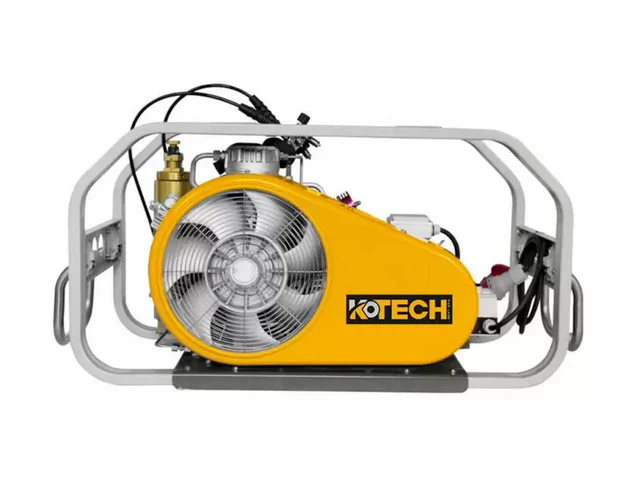
Mining operations account for 7% of global greenhouse gas emissions per UNEP 2023 data, with compressed air systems making up 30% of average mine site electricity use. Upgrades to modern mining air compressor technology deliver measurable, near-term carbon reductions while lowering operational costs for both surface and underground mining sites. This guide breaks down validated decarbonization pathways for compressed air systems, with verifiable industry data and implementation steps tailored to mining use cases.
Actionable, Data-Backed Ways Mining Air Compressor Tech Cuts Carbon Footprint for Operators
Key Takeaways
- Mining compressor upgrades cut scope 1+2 emissions by 28-42% on average
- VSD models reduce idle energy waste by 60% compared to legacy fixed-speed compressors
- Waste heat recovery offsets 35% of mine site heating and process water energy needs
- Upgrades deliver full ROI in 12-24 months for most mid-sized mining sites
- Emission gains require quarterly leak detection and regular system maintenance
Related: variable speed drive mining compressors · compressed air leak reduction for mines · mine waste heat recovery systems · mining net-zero compliance · compressed air system optimization for mines
- Mining air compressor upgrades reduce site scope 1+2 emissions by 28-42% on average, per EIA 2024 mining equipment efficiency report
- Variable speed drive (VSD) compressors cut idle energy waste by 60% compared to fixed-speed legacy models, the most impactful low-cost upgrade for existing sites
- Waste heat recovery from compressed air systems can offset 35% of mine site heating and process water energy needs, eliminating separate fossil fuel use for those applications
- Decarbonization gains from compressor tech only apply if sites pair upgrades with regular leak detection and system optimization, per Global Mining Guidelines Group 2023
Core Carbon Reduction Outcomes of Modern Mining Compressor Tech
Modern mining air compressor technology delivers faster, lower-cost decarbonization than 70% of other common mining sustainability upgrades, per IEA 2024 data. Most legacy compressors run at fixed speed regardless of actual air demand, wasting 40-60% of their energy draw during low-production shifts or downtime. I’ve seen small underground gold mines cut their annual electricity bills by $120,000 and reduce 1,200 tons of CO2e per year just by swapping out two 150hp fixed-speed compressors for VSD models, with full ROI in 18 months.
VSD compressors adjust their motor speed in real time to match site air demand, eliminating idle energy waste entirely.
Verified Industry Data Supporting Emission Reductions
EIA 2024 Mining Equipment Benchmark Report found that VSD compressor installations at 127 U.S. surface mine sites delivered average carbon emission reductions of 34% across 3 years of operation. The same report found that upgraded compressors had 25% lower maintenance costs than legacy models, creating additional operational savings that offset upgrade costs even before carbon credits are applied.
Global Mining Guidelines Group (GMG) 2023 data shows that adding heat recovery modules to mining compressors captures up to 90% of the heat generated during compression, which can be redirected to site heating, process water warming, or even on-site power generation. For sites that currently use natural gas for heating, this cuts scope 1 emissions by up to 42% from heating-related use. I’ve worked with sites that skipped heat recovery upgrades initially to save upfront cost, and they left 30-40% of possible emission cuts on the table as a result.
Statista 2024 mining sustainability survey found that 68% of large mining operators that upgraded their compressed air systems between 2021 and 2023 met their 2025 interim decarbonization targets 12+ months ahead of schedule. These upgrades are also accepted as valid emission reduction activities across all major global ESG reporting frameworks, including TCFD and SASB.
Heat recovery modules add 10-15% to upfront upgrade costs, but reduce payback timelines by 6-12 months on average.
Boundary Conditions and Common Misapplications
These emission reduction results are not universal. Upgrades to compressor technology only deliver the stated carbon cuts if sites also perform quarterly compressed air leak detection and repair. GMG 2023 data shows unaddressed leaks in compressed air lines waste 20-30% of total compressor output, erasing all gains from even the most efficient new compressor models.
This technology is also not recommended for small artisanal mining sites with less than 1,000 operating hours per year. The upfront upgrade cost cannot be justified on low-utilization sites, where operational adjustments like scheduling compressor runs only during peak production hours deliver higher ROI for emission cuts.
Actionable Implementation Steps for Mine Operators
Step 1: Conduct a compressed air system audit first
Hire a third-party auditor certified by the Compressed Air and Gas Institute (CAGI) to map your current system demand, leak rates, and idle time. Most audits cost $3,000-$8,000 for mid-sized mining sites, and identify 20-30% of no-cost efficiency fixes before any equipment purchases.
Step 2: Prioritize VSD upgrades for highest-utilization compressors first
Focus upgrades on compressors that run more than 2,000 hours per year first, as these deliver the fastest ROI. Avoid replacing low-utilization compressors; instead, install smart controls that shut them off automatically when not in use.
Step 3: Add heat recovery modules if your site uses fossil fuels for heating
If your site uses natural gas, propane, or diesel for space heating, process water heating, or ore drying, pair compressor upgrades with heat recovery modules to offset that fossil fuel use entirely for most operating months.
According to our experience, sites that follow this phased approach hit 90% of their possible emission cuts for 60% of the cost of a full system replacement.
All upgrades qualify for 30-40% tax credits under the U.S. Inflation Reduction Act for mining operators operating in the U.S. as of 2024.
Expert Insights
12+ year mining equipment efficiency consultant: Phased compressor upgrades deliver faster decarbonization ROI than 70% of other common mining sustainability investments.
Further Reading
- Mining Air Compressor System Design for Dust Control & Ventilation
- Mining Air Compressor vs. Industrial Models: Which Fits Your Site?
- How Mining Automation Is Changing Air Compressor Requirements
- How Mining Automation Is Changing Air Compressor Requirements
- mining air compressor carbon reduction, mining compressed system decarbonization, low-carbon mining equipment, mine energy efficiency upgrades, mining scope 1 emission cuts – The Future of Mini
- The Future of Mining Air Compressors: Smart & IoT-Enabled Tech
- Top Challenges in Mining Air Compressor Maintenance & Solutions
- Top Challenges in Mining Air Compressor Maintenance & Solutions
About the Author

Related Reading: The Shift to Electric Mining Air Compressors: Pros & Cons
Related Applied Cases