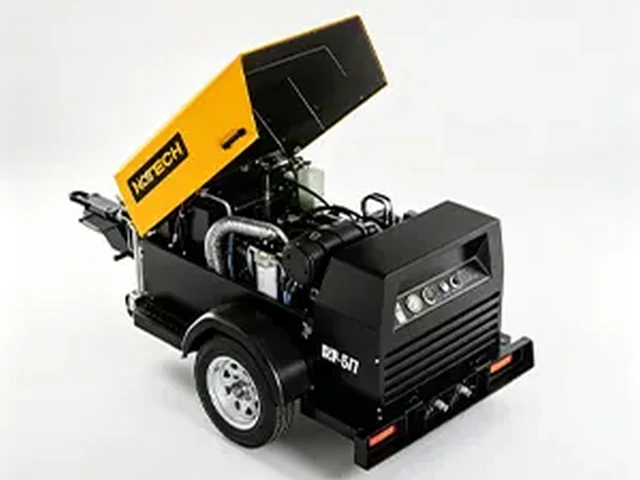
Optimizing Mining Operations with Superior Air Filtration
It’s not just about having a compressor; it’s about the air it delivers. Many operations, frankly, underestimate the damage caused by airborne contaminants, leading to premature equipment failure, excessive energy consumption, and costly downtime. A robust mining air compressor filtration system isn’t merely an accessory; it’s a foundational investment in operational resilience.
Here are some key insights into optimizing your filtration strategy:
- High-efficiency filtration is a cost-saver, not an expense: It directly reduces wear on pneumatic tools, cylinders, and control valves, extending their operational life significantly.
- Energy efficiency hinges on clean filters: Clogged filters demand more compressor power, directly inflating electricity bills. Regular, informed filter maintenance is paramount.
- Multi-stage filtration is essential for mining environments: A single filter won’t cut it. Effective systems combine pre-filtration, particulate, coalescing, and often activated carbon stages.
- Data-driven maintenance is the future: Predictive analytics on filter performance can prevent catastrophic failures and optimize replacement schedules.
- Regulatory compliance demands superior air quality: Environmental and safety standards are tightening, requiring sophisticated filtration to protect both equipment and personnel.
The Unseen Costs of Compromised Air Quality
The dust, moisture, and oil aerosols inherent in mining environments are silent killers of compressed air systems. They erode internal components of pneumatic tools, contaminate processed materials, and cause critical control instrumentation to malfunction. The immediate impact is obvious: increased maintenance cycles and higher spare parts consumption. However, the ripple effect on overall productivity and safety is far more significant.
Consider a hydraulic drill or a rock breaker powered by contaminated air. Fine particulates act as abrasives, accelerating wear on seals and precision components. Moisture leads to corrosion and can freeze in cold environments, causing blockages. Oil aerosols can foul sensitive equipment and even pose health risks to workers if released into breathable air. It’s a common blind spot that costs millions.
Industry Trends and Hard Numbers Driving Filtration Innovation
The mining sector is under immense pressure to optimize efficiency and reduce its environmental footprint. This drive directly fuels innovation in air compressor filtration technology. We’re seeing a shift towards more sophisticated, intelligent systems.
For instance, compressed air systems account for a substantial portion of industrial electricity consumption. In mining, where compressors often run continuously under heavy loads, even a marginal increase in pressure drop due to a dirty filter can translate into significant energy waste. Investing in high-quality, low-pressure drop filters and a proactive replacement schedule directly combats this.
Furthermore, unplanned downtime is a major financial drain. Many of these incidents are preventable with proper maintenance, of which filtration is a cornerstone. Modern filtration systems with differential pressure monitoring and IoT integration provide real-time data, allowing for predictive maintenance rather than reactive repairs, drastically cutting these costs.
This market growth signals a clear trend: advanced filtration is no longer optional; it’s a competitive necessity.
Understanding the Filtration Spectrum: From Particulate to Sub-Micron
Effective mining air compressor filtration isn’t a one-size-fits-all solution. It’s a layered approach, often involving multiple stages tailored to the specific contaminants and air quality requirements of the application. Here’s a breakdown:
- Pre-filters (Coarse Particulate): These are the first line of defense, designed to capture larger dust particles (typically >5 microns). They protect subsequent, finer filters from premature clogging, extending their lifespan. Think of them as the bouncers at the club, keeping out the obvious trouble.
- General Purpose Particulate Filters: These filters target smaller solid particles (down to 1 micron) that can damage pneumatic components and instrumentation. They are crucial for protecting most general industrial equipment.
- Coalescing Filters: These are indispensable for removing liquid water and oil aerosols. They work by causing tiny liquid droplets to coalesce into larger drops that can then be drained away. For oil-lubricated compressors, these are vital for preventing oil carryover into the compressed air stream.
- Activated Carbon Filters: These filters are used to remove oil vapor and odors, providing “technically oil-free” air. They are often the final stage in systems where air purity is paramount, preventing contamination of end products or ensuring a safe breathing environment.
The specific combination and sequence of these filters depend entirely on the ambient air quality, the type of compressor, and the end-use application of the compressed air. There’s no point in over-filtering if your application doesn’t demand it, but under-filtering is a guaranteed path to headaches.
When Standard Solutions Fall Short: The Limits of Basic Filtration
While basic filtration might suffice for some general workshop applications, it simply doesn’t cut it in the harsh, high-stakes environment of mining.
Consider an underground mining operation with high levels of silica dust. A standard 5-micron particulate filter will quickly become overwhelmed, leading to rapid pressure drops and frequent, costly replacements. Moreover, it won’t effectively remove the sub-micron particles that can still cause significant wear. Similarly, if your operation uses oil-lubricated compressors and the compressed air comes into contact with products or sensitive instruments, a basic coalescing filter might not be enough to prevent oil vapor contamination. In such cases, an activated carbon filter becomes non-negotiable.
The boundary condition here is clear: if your environment is excessively dusty, humid, or if your downstream equipment is precision-sensitive, or if regulatory compliance for air purity is stringent, then a multi-stage, application-specific filtration system is the only viable path. Trying to save a few dollars on filtration upfront will inevitably lead to much higher operational costs down the line.
Implementing a Robust Filtration Strategy: Actionable Steps
Moving beyond basic understanding, here are actionable steps to implement and maintain a superior mining air compressor filtration system:
- Conduct a Comprehensive Air Quality Audit: Start by understanding your current air quality. Use specialized test kits to measure particulate levels, oil content, and dew point at various points in your system. This data is your baseline.
- Map Your System’s Needs: Identify all compressed air end-uses. Do certain pneumatic tools require cleaner air than others? Is there a paint booth, control room, or breathing air application that demands exceptional purity? Tailor your filtration stages to these specific requirements.
- Select the Right Filters: Based on your audit and needs, choose filters with appropriate micron ratings and removal efficiencies for particulates, water, and oil. Don’t forget pressure regulators and dryers (refrigerant or desiccant) as integral parts of the air treatment chain.
- Implement a Proactive Maintenance Schedule: This is critical. Monitor differential pressure across filters regularly. A significant pressure drop indicates a clogged filter and signals the need for replacement. Don’t wait until performance degrades; use predictive analytics if available.
- Train Your Team: Ensure your maintenance staff understands the importance of filtration, how to properly inspect and replace filters, and the impact of poor air quality on equipment.
- Consider Smart Filtration Systems: Explore options with built-in sensors and IoT connectivity. These systems can provide real-time data on filter status, pressure drop, and even predict optimal replacement times, minimizing manual checks and maximizing uptime.
By taking these steps, you’re not just buying filters; you’re investing in a more efficient, reliable, and ultimately, more profitable mining operation.