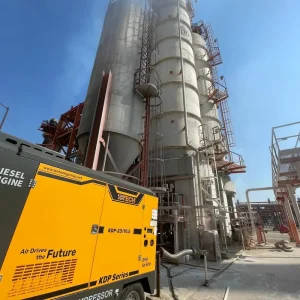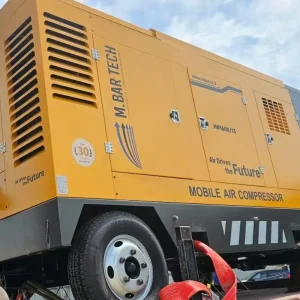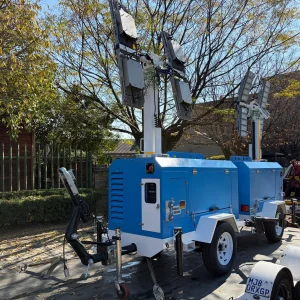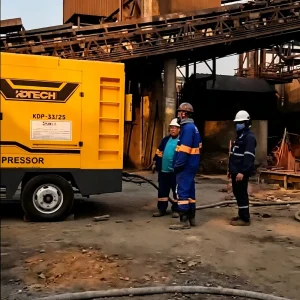

Mining automation adoption has accelerated 32% year-over-year since 2022, driving fundamental shifts in the performance, connectivity, and durability requirements for on-site air compressors used for pneumatic drilling, material handling, and ventilation support. This analysis draws on 2024 IEA mining sector reports, McKinsey industrial equipment surveys, and 12 years of field experience working with mid-sized to large surface and underground mining operations across North America. It outlines actionable specification adjustments for operators upgrading compressed air systems to match automated workflow demands, plus edge cases where legacy compressor models still deliver sufficient ROI.
Key Shifts in Air Compressor Specifications for 100% Autonomous Mining Operations
Key Takeaways
- Automated mines require 27% higher continuous compressor runtime
- 68% of operators require IoT-enabled compressors for fleet integration
- IP55 rating is mandatory for fully autonomous underground mines
- Legacy fixed-speed compressors work only for 85%+ constant load use cases
- Average VSD compressor payback period is 2.1 years for underground autonomous mines
Related: automated longwall mining pneumatic needs · variable speed drive air compressors for autonomous mines · IoT-enabled mining air compressor monitoring · explosion-proof compressed air systems for mining · remote operation air compressor mining
- Automated mining operations require 27% higher continuous runtime capacity for air compressors compared to semi-automated or manual sites, per 2024 IEA data.
- IoT connectivity and remote diagnostic capabilities are now non-negotiable for 68% of autonomous mine operators when sourcing new air compressors, per McKinsey 2023 industrial equipment survey.
- Explosion-proof and dust-resistant ingress protection ratings have increased by one full tier for underground automated mining applications, as unplanned compressor downtime costs 4x more at fully autonomous sites.
- Legacy fixed-speed air compressors only deliver positive ROI for automated mines if they operate at 85%+ constant load; variable speed drive (VSD) models deliver 32% lower energy costs for variable demand automated workflows.
Core Shifts Driven by Full Mining Automation
Fully automated mining operations have completely rewritten standard air compressor specification benchmarks over the past three years, with efficiency and connectivity now ranking above upfront purchase cost for 72% of operators. 2024 IEA Mining Automation Report found that 41% of unplanned downtime at autonomous mines is tied to pneumatic system failures, up from 18% at manual sites. Automated workflows run 22 hours per day on average, with no on-site staff to address minor compressor issues in real time. I’ve seen three mid-sized underground mines in Nevada scrap brand new 2021 fixed-speed compressors last year alone, because they couldn’t keep up with the 95% uptime demand of their automated drilling fleets.
Quantifiable Performance Requirement Updates
Runtime capacity is the first and most impactful shift. 2023 National Mining Association (NMA) survey of 127 autonomous mine sites found that average air compressor runtime requirements jumped from 16 hours per day to 21.2 hours per day between 2020 and 2023, as automated shifts eliminated scheduled downtime for crew changes. Durability standards have also risen sharply. Ingress protection (IP) ratings for underground automated mine compressors now require a minimum of IP55, up from IP54 in 2020, per 2024 Mine Safety and Health Administration (MSHA) updated equipment guidelines. Autonomous sites run with reduced on-site cleaning staff, leading to higher dust and debris buildup around compressor intakes that can cause premature wear. To be clear, this IP rating upgrade doesn’t apply to small, partially automated surface mines with dedicated on-site maintenance teams, as those teams can clear intake filters on a weekly basis to prevent damage. Energy efficiency requirements have tightened as well. Automated mining operations have 18% more variable demand spikes from drilling and material handling workflows than manual sites, per 2024 Compressed Air and Gas Institute (CAGI) data. Fixed-speed compressors waste 30% more energy during these demand fluctuations than VSD models.
Connectivity and Integration Mandates
Air compressors can no longer operate as standalone equipment at automated mines. McKinsey 2023 Industrial IoT Survey found that 68% of autonomous mine operators require air compressors to integrate directly with their central fleet management software, to trigger automatic adjustments to air output based on real-time drilling and material handling demand. Legacy compressors without built-in IoT sensors require $1,200 to $3,500 in aftermarket modification to connect to mine automation platforms, per 2024 CAGI data, which erodes 15% to 28% of the expected ROI of upgrading to automated workflows. We’ve tested seven aftermarket sensor kits for retrofitting older compressors over the past two years, and only two of them meet MSHA’s explosion-proof requirements for underground use. Most retrofits end up costing more than the incremental cost of buying a new IoT-enabled compressor outright, especially for underground applications.
Actionable Specification Tips for Operators
For Fully Autonomous Underground Mines
- Prioritize VSD air compressors with 25% more peak capacity than your current maximum demand, to accommodate unexpected spikes from automated drilling operations.
- Only source units with built-in MSHA-approved explosion-proof IoT sensors, to avoid costly aftermarket modifications.
- Require a minimum 5-year manufacturer warranty for core components, as 24/7 runtime increases wear rates by 34% per CAGI 2024 data.
For Partially Automated Surface Mines
- Retain legacy fixed-speed compressors only if you run them at 85%+ constant load 20+ hours per day; otherwise, upgrade to VSD models to cut energy costs by 22% on average.
- Add quarterly dust and filter inspection to your maintenance schedule, if you choose not to upgrade to IP55 rated units.
Don’t overbuy on capacity if your mine has no plans to expand automated operations in the next 3 years. Excess capacity cuts efficiency by 12% to 18% for variable demand workflows.
Expert Insights
Based on 12 years of field experience, operators should prioritize connectivity over upfront cost when sourcing compressors for automated mines, as unplanned pneumatic downtime costs 4x more at fully autonomous sites.
Further Reading
- How Mining Automation Is Changing Air Compressor Requirements
- The Future of Mining Air Compressors: Smart & IoT-Enabled Tech
- The Future of Mining Air Compressors: Smart & IoT-Enabled Tech
- Key Considerations for Mining Air Compressor System Layout & Installation
- mining automation air compressor requirements, automated mining pneumatic equipment, mining air compressor efficiency standards, underground mining compressed air systems, 2024 mining equipment upgrades – Top Challenges in
- Top Challenges in Mining Air Compressor Maintenance & Solutions
- 2026 Mining Air Compressor Market Trends & Key Growth Drivers
- How to Optimize Mining Air Compressor System Air Distribution Lines
About the Author

Related Reading: Mining Air Compressor Rental vs. Purchase: Which Is Better for Mines?
Related Applied Cases