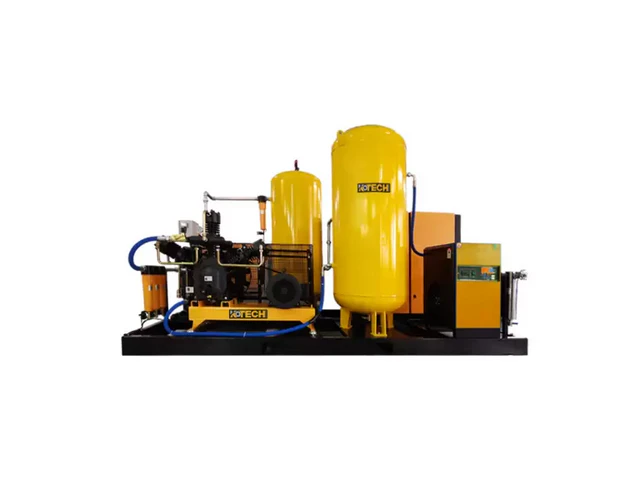
Transforming Mining Operations with Next-Gen Air Compressor Technology
In the high-stakes world of industrial mining, every ounce of operational efficiency counts. The core truth? Traditional air compressor systems are increasingly becoming a bottleneck, not a bedrock. The shift towards advanced manufacturing technologies in industrial mining air compressors isn’t just an upgrade; it’s a fundamental re-evaluation of how we power critical mining processes, from drilling and blasting to ventilation and material handling.
The Imperative for Innovation in Mining Air Compression
The demand for minerals is rising, but so are the operational challenges: deeper mines, stricter environmental regulations, and relentless pressure on profit margins. This confluence makes the performance of every piece of equipment, especially power-hungry air compressors, absolutely critical. We’re talking about systems that are often the third-largest consumers of electricity in a typical industrial facility, and in mining, that figure can be even higher due to continuous operation in demanding conditions.
Addressing Energy Consumption and Operational Costs
Energy costs represent a significant portion of a mine’s operating expenditure. Outdated, fixed-speed compressors running constantly, even when demand fluctuates, are massive energy guzzlers. This isn’t just about the electricity bill; it impacts the entire carbon footprint of an operation. Beyond energy, the sheer scale of maintenance in a harsh mining environment drives up costs. Traditional reactive maintenance strategies lead to unexpected failures, costly emergency repairs, and significant production losses.
Mitigating Downtime and Enhancing Safety
Downtime in a mining operation isn’t just inconvenient; it’s catastrophic. A single hour of halted production can cost hundreds of thousands of dollars, depending on the mine’s output. Moreover, the integrity and reliability of air systems directly impact worker safety, especially in underground operations where ventilation and specialized tools rely on consistent, clean compressed air. The consequences of equipment failure can extend far beyond financial losses.
Quantifying the Impact: Data-Driven Insights
The benefits of advanced manufacturing aren’t theoretical; they’re measurable and impactful. We’ve seen firsthand how these technologies translate into tangible improvements across the board.
Less downtime means more operational hours and greater productivity.
The market reflects this shift, too. This growth signal, from a Grand View Research 2023 report, indicates robust industry confidence in these advanced solutions.
Core Technologies Driving Progress
So, what exactly are these “advanced manufacturing technologies”? They represent a convergence of mechanical engineering, digital innovation, and material science.
Variable Speed Drive (VSD) Compressors and Permanent Magnet Motors
This is arguably the most impactful advancement for energy efficiency. VSD technology allows the compressor motor to adjust its speed precisely to match the real-time air demand, unlike fixed-speed units that run at full throttle regardless. When paired with high-efficiency permanent magnet motors, these systems offer unparalleled energy savings, especially in applications with fluctuating demand, which is typical in mining.
IoT Integration and Predictive Maintenance
Modern industrial mining air compressors are no longer isolated machines; they are connected nodes in a larger operational network. Embedded sensors collect real-time data on pressure, temperature, vibration, power consumption, and more. This data is transmitted via IoT platforms to centralized dashboards, enabling remote monitoring and, crucially, predictive maintenance. AI algorithms analyze historical and real-time data to anticipate potential failures, allowing maintenance teams to intervene before a breakdown occurs. This capability fundamentally shifts operations from reactive to proactive.
Advanced Materials and Design for Harsh Environments
Mining environments are notoriously tough: dust, extreme temperatures, humidity, and corrosive elements. Advanced manufacturing leverages new materials like specialized alloys, ceramics, and coatings that offer superior resistance to wear, corrosion, and heat. Design innovations focus on modularity, robust enclosures, and improved filtration systems, all contributing to extended lifespan and reduced maintenance in these challenging conditions. Honestly, the durability of today’s ruggedized compressors compared to a decade ago is night and day.
Digital Twin Technology and AI-Powered Optimization
The digital twin concept creates a virtual replica of the physical air compressor system. This allows operators to simulate different operating conditions, test maintenance scenarios, and optimize performance settings without affecting the live equipment. Coupled with AI, these digital twins can continuously learn and adapt, suggesting optimal control strategies, identifying energy waste, and even predicting component degradation with remarkable accuracy. It’s like having a hyper-intelligent co-pilot for your compressor fleet.
Navigating Implementation: When Advanced Tech Makes Sense (and When It Doesn’t)
While the benefits are clear, adopting advanced manufacturing tech isn’t a one-size-fits-all solution. It requires strategic evaluation.
Capital Expenditure vs. Long-Term Operational Savings
The initial capital outlay for advanced air compressor systems can be higher than for traditional models. This is a common hurdle for many mine operators. However, it’s crucial to look beyond the upfront CAPEX and focus on the total cost of ownership (TCO). The significant reductions in energy consumption, maintenance, and downtime often lead to a rapid return on investment (ROI), sometimes within just a few years. Always run the numbers on TCO, not just the sticker price.
Legacy Systems and Integration Challenges
Integrating new, smart compressor technology into existing legacy infrastructure can be complex. Older control systems might not communicate seamlessly with new IoT platforms, requiring middleware or partial system overhauls. This isn’t a deal-breaker, but it’s a factor that needs careful planning and expert consultation. It’s not uncommon to find a mix of old and new systems operating side-by-side during a transition phase.
The Scale Factor: Small Operations vs. Large Mines
For very small-scale mining operations or those with extremely stable, low air demand, the full suite of advanced technologies might offer diminishing returns. The complexity and cost of a full digital twin implementation, for example, might not be justified if you’re only running a single, small compressor for a few hours a day. In such cases, focusing on high-efficiency VSD models might be the most practical approach, rather than a full IoT ecosystem.
Practical Strategies for Adoption and Maximizing ROI
For those ready to embrace the future, here are actionable steps to ensure a successful transition and maximize your return on investment.
Comprehensive Energy Audits and System Assessments
Before making any investment, conduct a thorough energy audit of your current compressed air system. Understand your actual air demand profile, identify leaks, and assess the efficiency of your existing compressors. This baseline data is essential for justifying new investments and measuring future savings. You can’t improve what you don’t measure.
Phased Implementation and Pilot Programs
Instead of a massive, immediate overhaul, consider a phased approach. Start by replacing the least efficient or most critical compressors with advanced models. Run pilot programs for IoT integration and predictive maintenance on a subset of your fleet. This allows you to test the technology, train your staff, and refine your strategy before a full-scale rollout, minimizing risk and disruption.
Training and Skill Development
Advanced compressor technologies require advanced skills. Invest in training your maintenance and operational teams on new control systems, data analytics platforms, and predictive maintenance protocols. The best technology is only as good as the people operating and maintaining it.
Partnering with Specialized OEMs and Tech Providers
Choose original equipment manufacturers (OEMs) and technology partners with a proven track record in industrial mining applications. Look for providers that offer comprehensive support, from system design and installation to ongoing maintenance, data analytics, and training. A strong partnership is key to long-term success.
The Future Landscape of Mining Air Compression
Looking ahead, the trajectory for advanced manufacturing in mining air compressors is clear: more intelligence, more autonomy, and greater sustainability. We’re moving towards fully integrated systems that can self-optimize, predict failures with near-perfect accuracy, and even interact with other mine systems for holistic operational control.
Autonomy and Remote Operations
As mining operations move towards greater autonomy, air compressors will become integral parts of remote-controlled or even fully autonomous mine sites. This means robust connectivity, advanced diagnostics, and the ability to operate reliably without constant human intervention.
Sustainability and Green Mining Initiatives
The pressure for sustainable mining practices will only intensify. Advanced compressor technologies, with their focus on energy efficiency and reduced environmental footprint, are perfectly aligned with “green mining” initiatives. Innovations in oil-free compression, waste heat recovery, and integration with renewable energy sources will become standard, further reducing the environmental impact of mining operations.