Designing Robust Underground Mining Air Compressor Systems
Designing an effective underground mining air compressor system isn’t just about moving air; it’s about safeguarding lives, maximizing productivity, and managing colossal operational costs. Get it wrong, and you’re looking at crippling downtime, escalating energy bills, and unacceptable safety risks. The core challenge is integrating robust, reliable compressed air into an inherently hostile and dynamic environment.
- Safety First: Prioritize personnel safety and regulatory compliance above all else in design and layout.
- Energy Efficiency is Profit: Optimize for minimal energy consumption to significantly reduce operational expenditures.
- Modularity & Scalability: Design systems that can adapt and expand with changing mine plans and production targets.
- Integration is Key: Ensure seamless integration with ventilation, power, and communication systems.
- Data-Driven Decisions: Leverage remote monitoring and automation for predictive maintenance and performance optimization.
The Imperative for Optimized Underground Air Systems
It’s not just about running pneumatic tools; we’re talking about critical life support, ventilation, dewatering, and emergency systems. The underground environment — with its dust, heat, humidity, and confined spaces — demands an air compressor system designed for extreme resilience and consistent performance. Frankly, anything less is a non-starter.
Understanding the Landscape: Key Trends & Data
The mining sector is evolving, driven by demands for greater efficiency, sustainability, and worker safety. Our approach to compressed air must evolve with it.
Shifting Towards Electrification and Efficiency
Energy consumption remains a monumental cost for mining operations. Compressed air systems, often overlooked, contribute significantly to this burden. Modern design prioritizes variable speed drive (VSD) compressors and optimized piping to slash energy waste.
Safety First: A Non-Negotiable Standard
Safety in underground mining is paramount. Equipment malfunctions, especially with high-pressure systems, pose severe risks. MSHA data for 2022 indicates powered haulage and machinery-related incidents remain leading causes of injuries and fatalities in metal and nonmetal mines. While not all machinery incidents are compressor-related, inadequate system design contributes to risks like hose ruptures, pressure vessel failures, and air quality issues. Proper design and maintenance are essential safety protocols, not optional extras.
Core Principles of Underground Air Compressor System Design
A robust design begins with a clear understanding of demand and environment.
Capacity Planning: Matching Demand to Supply
Underestimating compressed air demand is a common, costly mistake. You need to meticulously calculate the CFM (cubic feet per minute) requirements for every pneumatic tool, drilling rig, ventilation assist, and emergency system expected to operate simultaneously. Account for future expansion and potential simultaneous peak loads. Oversizing wastes energy; undersizing leads to pressure drops and productivity losses. Always build in a buffer for unforeseen demands and system degradation.
Strategic Layout: Proximity, Pressure & Redundancy
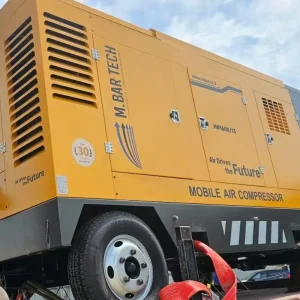
Pipeline routing is more critical underground than above ground. Every bend, every foot of pipe, creates pressure drop, directly impacting tool performance and energy consumption. Position air receivers strategically to buffer peak demands and minimize pressure fluctuations. For mobile operations, a portable diesel air compressor offers flexibility, but its placement requires careful consideration of ventilation, fuel supply, and exhaust management. Redundancy is non-negotiable for critical systems; having backup compressors or alternative air supply points can prevent catastrophic downtime.
Ventilation & Heat Management Integration
Air compressors generate substantial heat. In a confined underground space, this heat can quickly overwhelm the mine’s ventilation system, raising ambient temperatures and impacting worker comfort and safety. Your compressor system design must explicitly account for heat rejection, integrating with the overall mine ventilation plan to ensure adequate airflow and cooling. This often means dedicated exhaust routing for diesel units or robust cooling systems for electric ones.
Power & Fuel Infrastructure Considerations
The choice between electric and diesel-powered compressors heavily influences infrastructure design. Electric units require stable, high-voltage power distribution, which can be complex and costly to extend deep underground. Diesel units, while offering mobility and independence from the electrical grid, demand robust fuel storage, delivery, and exhaust scrubbing systems to maintain air quality. Each option presents unique challenges for underground deployment.
Advanced Solutions & Technology Integration
Modern mining demands more than just basic compressed air; it requires intelligence and adaptability.
Remote Monitoring and Automation
The days of relying solely on manual checks are over. Remote monitoring systems provide real-time data on pressure, temperature, flow rates, and energy consumption. This data is invaluable for predictive maintenance, allowing teams to address potential issues before they cause costly failures. Implementing these systems significantly reduces unscheduled downtime and optimizes operational efficiency.
Modular and Scalable Systems
Mines are dynamic environments. Designing with modularity in mind allows for easy expansion, relocation, or reconfiguration of the compressed air system as the mine plan evolves. Skid-mounted units, containerized solutions, and standardized connections streamline installation and maintenance. This approach offers significant flexibility, especially for temporary operations or rapidly advancing headings where a fixed, centralized system might be impractical.
Common Pitfalls and How to Avoid Them
Even with good intentions, mistakes happen. Here are some to watch out for.
Underestimating Future Demand
Mines grow. What’s sufficient today might be woefully inadequate next year. Always factor in projected expansion and potential increases in pneumatic tool usage. Retrofitting an undersized system is far more expensive and disruptive than designing for growth from the outset.
Neglecting Regular Maintenance Protocols
Underground conditions are brutal on machinery. Dust, moisture, and vibrations accelerate wear. A robust preventative maintenance schedule, based on manufacturer recommendations and operational data, is non-negotiable. Skipping maintenance leads to inefficient operation, premature component failure, and dangerous conditions.
Ignoring Environmental Factors (Dust, Humidity, Temperature)
Compressors need clean, cool air to operate efficiently. Failing to account for the harsh underground environment – high dust loads, elevated humidity, and ambient temperatures – will lead to clogged filters, reduced lifespan, and performance degradation. Invest in appropriate filtration and cooling solutions tailored to the specific mine conditions.
The Trap of “Lowest Bid” Solutions
While cost is always a factor, opting for the cheapest equipment or design can be a false economy. A low-cost, low-efficiency compressor might save upfront capital but will bleed money through higher energy consumption and frequent breakdowns over its operational life. This approach almost never pays off in the long run for critical underground infrastructure. It might work for a very short-term, low-demand surface application, but for deep underground mining, it’s a recipe for disaster.
Implementing a Robust System: Practical Steps
Successful implementation requires a structured approach.
Site Assessment & Hazard Analysis
Before any design work begins, conduct a thorough assessment of the proposed installation sites. Identify environmental hazards, existing infrastructure, power availability, and ventilation capabilities. A comprehensive hazard analysis ensures all potential risks are mitigated in the design phase.
Vendor Selection & Partnership
Choose vendors who understand the unique demands of underground mining. Look for partners with a proven track record, offering robust equipment, excellent technical support, and comprehensive training. A strong relationship with your supplier can be invaluable throughout the system’s lifecycle.
Installation & Commissioning Best Practices
Adhere strictly to manufacturer installation guidelines. Proper alignment, secure mounting, and correct piping are critical. Commissioning should involve rigorous testing under various load conditions to ensure the system performs as designed and meets all safety and efficiency targets.
Training & Ongoing Support
Your team needs to be proficient in operating, monitoring, and maintaining the new system. Provide thorough training for operators and maintenance personnel. Ensure ongoing access to technical support and spare parts to minimize downtime.