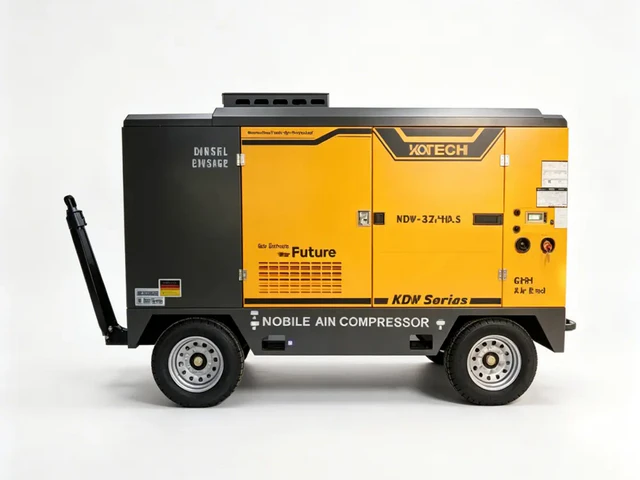
Unlocking Efficiency: Compact Diesel Compressors for Small Mines
The Indispensable Role of Compact Portable Diesel Compressors in Small Mining
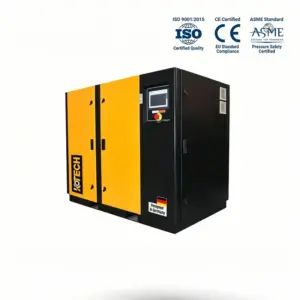
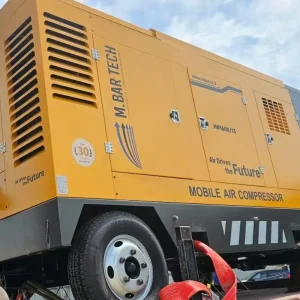
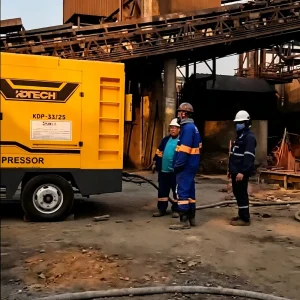
Small mining projects, by their very nature, operate within a unique set of constraints. Limited capital, remote locations, and the need for operational agility define their landscape. In this environment, the compact portable diesel compressor isn’t just a piece of equipment; it’s often the backbone of productivity. These robust machines deliver reliable pneumatic power directly to the job site, enabling essential tasks like rock drilling, core sampling, and powering various air tools without reliance on fixed electrical infrastructure. Their ability to move with the operation, adapting to changing mine faces or exploration sites, makes them a non-negotiable asset for any small-scale venture looking to maximize output and control costs.
Market Dynamics and Economic Imperatives Driving Small-Scale Mining Equipment Demand
The global mining sector continues to evolve, with small-scale and artisanal mining (ASM) playing an increasingly significant role. This underscores a persistent demand for accessible, durable, and cost-effective equipment. Modern portable air compressors, specifically diesel-powered compact units, are designed to meet these exact needs. They offer the necessary power without the prohibitive capital expenditure of larger, fixed installations. Furthermore, advancements in engine technology have led to significant improvements in fuel efficiency. This focus on efficiency directly translates into a stronger return on investment for small mining operations.
Why Portability and Power Matter: Addressing Core Challenges
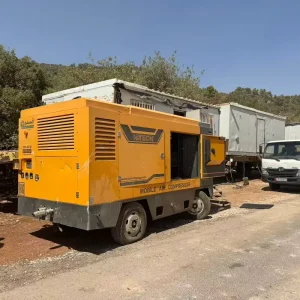
The core challenges for small mining operations—remote access, lack of fixed power, and the need for flexibility—are directly addressed by compact portable diesel compressors. These machines are engineered for mobility, often mounted on trailers or skids, allowing them to be easily towed or transported across rugged terrain.
Key Applications in Small Mining Projects:
- Blast Hole Drilling: This is arguably the most critical application. Small mines often rely on pneumatic rock drills to create boreholes for explosives. A compact compressor provides the sustained high-pressure air (typically 100-250 PSI) needed for efficient drilling, breaking down rock faster and preparing the site for blasting.
- Pneumatic Tool Operation: Beyond drilling, these compressors power a range of air tools essential for small-scale operations. This includes jackhammers for breaking oversized rocks, chipping hammers for scaling, tampers for backfilling, and various grinding or cutting tools.
- Exploration and Core Sampling: During the exploration phase, portable compressors are vital for powering diamond core drills or percussion drills used to extract geological samples. Their ability to operate independently in undeveloped areas makes them ideal for prospecting new mineral deposits.
- Dewatering and Ventilation: While less common as primary applications, some pneumatic pumps can be powered by these compressors for dewatering small sumps. Similarly, air-powered ventilation systems can be employed in confined spaces where electrical power is a safety concern or simply unavailable.
- General Site Maintenance: From blowing dust off equipment to powering impact wrenches for repairs, the versatility of compressed air is invaluable for day-to-day site maintenance tasks.
The ability to deliver consistent air volume (CFM) and pressure (PSI) under demanding conditions is paramount. Matching the compressor’s output to the demands of your specific tools is not just a recommendation; it’s an operational necessity.
Beyond the Hype: When Compact Compressors Aren’t the Right Fit
While compact portable diesel compressors are incredibly versatile, they aren’t a universal solution. It’s important to understand their limitations. For instance, if your small mining project involves very deep drilling or requires continuous, extremely high-volume air for extensive underground ventilation systems, a single compact unit might be insufficient. These scenarios might necessitate multiple synchronized units, or even a larger, semi-permanent electric compressor setup if grid power becomes viable. Moreover, in environments where noise pollution is a critical concern due to proximity to residential areas or wildlife, the diesel engine’s operational noise might be an issue. In such niche cases, electric portable compressors, powered by generators or grid connections, could be a more suitable, albeit less mobile, alternative. The key lies in a realistic assessment of your specific operational scale and environmental constraints.
Selecting the Right Unit: Practical Considerations and Operational Best Practices
Choosing the right compact portable diesel compressor involves more than just looking at the price tag. From our experience, these are the critical factors:
1. CFM and PSI Requirements:
Understand the air consumption (CFM) and pressure (PSI) needs of your primary tools. Over-specifying wastes fuel; under-specifying leads to poor performance. Consult tool manufacturers’ data sheets. A common rock drill might require 100-150 CFM at 100 PSI, but larger drills will need more.
2. Ruggedness and Durability:
Mining environments are notoriously harsh. Look for units with heavy-duty chassis, robust enclosures, and protected components. Brands like Atlas Copco, Sullair, and Doosan Portable Power have strong reputations in this space. Consider features like cold-start capabilities and efficient filtration systems to handle dust and extreme temperatures.
3. Fuel Efficiency and Tank Capacity:
Fuel is a major operational expense. Modern engines with electronic controls and variable speed drives can offer substantial savings. A larger fuel tank extends operational time between refills, which is invaluable in remote locations with limited logistics support.
4. Maintenance and Serviceability:
Easy access to filters, fluids, and wear parts simplifies routine maintenance, reducing downtime. Availability of spare parts and local service support from mining equipment suppliers or authorized dealers is also crucial. A machine that’s hard to service quickly becomes a liability.
5. Noise and Emissions:
While diesel engines produce noise and emissions, newer models incorporate sound attenuation technologies and engines compliant with stricter emission standards (e.g., Tier 4 Final in the US). This is increasingly important for regulatory compliance and community relations.
6. Rental vs. Purchase:
For short-term projects or those with fluctuating needs, renting compact air compressors can be a cost-effective strategy, avoiding upfront capital outlay and maintenance burdens. For long-term, consistent use, purchasing offers better long-term value and asset control.
Future Outlook: Innovations and Sustainability in Small Mining Compressor Technology
The future of compact portable diesel compressors for small mining projects is leaning heavily towards greater efficiency, connectivity, and reduced environmental impact. Expect to see more hybrid electric-diesel models that offer the best of both worlds—diesel power for remote portability and electric operation for quieter, cleaner use when grid power or robust generators are available. Furthermore, telematics and IoT integration are becoming standard, allowing for remote monitoring of fuel levels, engine diagnostics, and operational parameters. This predictive maintenance capability can significantly reduce unexpected downtime, a critical factor for small operations that cannot afford prolonged interruptions. Sustainable mining practices will continue to drive demand for equipment that not only performs but also minimizes its ecological footprint, ensuring these compact powerhouses remain relevant and essential.